


Le guide ultime de la jauge de fil: utilise, conseils et conseils d'achat pour chaque laboratoire de chimie

Présentation
Lorsque nous entrons dans un laboratoire de chimie, la première chose qui attire notre attention est souvent le brûleur Bunsen qui brûle sous une maille métallique. Cette maille est la toile métallique, un équipement humble mais indispensable. Que vous soyez en train de chauffer un bécher, de fondre un solide ou tout simplement besoin d'une plate-forme stable pour votre fiole, le fil gaze fait le levage lourd. Dans cet article, je vais vous guider à travers à quel fil gaze est utilisé, comment l'utiliser en toute sécurité avec un brûleur Bunsen, pourquoi beaucoup de modèles ont un centre de céramique, et ce qu'il faut chercher lors de l'achat d'un. Laissez démythifier cette superpuissance de labo ensemble.
Qu'est-ce que Wire Gauze utilisé dans les laboratoires de chimie?
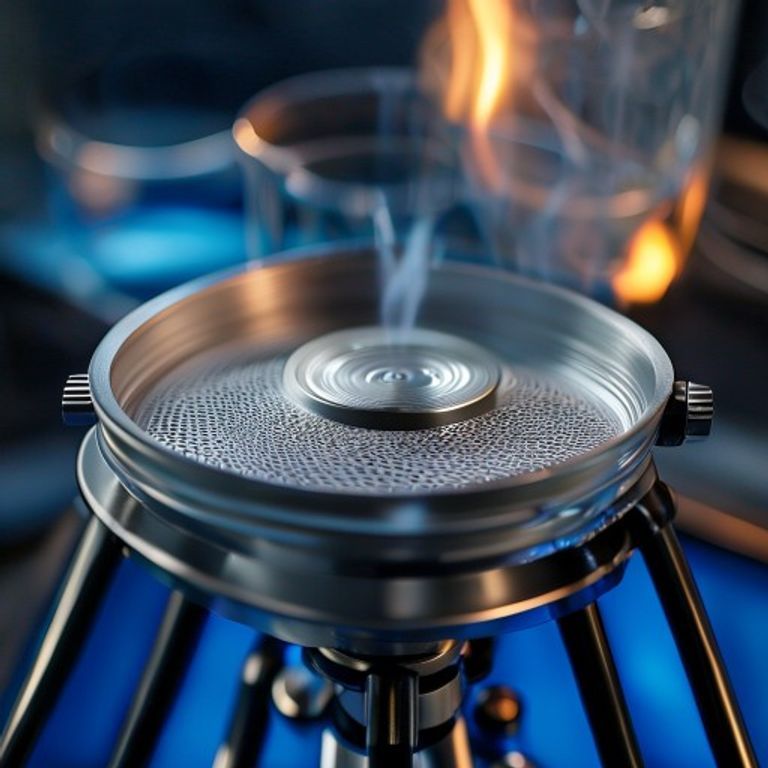
La gaze de fil est une mince tôle perforée en métal—généralement en acier inoxydable ou en alliage de nickel-chrome—conçu pour distribuer la chaleur uniformément. Voici les applications les plus courantes:
- Distribution de chaleur: Il répand la chaleur de la flamme sur le fond d'un bécher ou d'un ballon, empêchant les points chauds qui pourraient fissurer le verre.
- Support pour la verrerie: Placé sur un trépied, il offre une surface stable et non glissante pour les béchers, les tubes d'essai et les creusets.
- Barrière de sécurité: Il agit comme un bouclier entre la flamme ouverte et la verrerie, réduisant ainsi le risque de contact direct avec la flamme.
Comment utiliser Wire Gauze avec un brûleur Bunsen
L'utilisation correcte de la gaze filaire est aussi facile que 1‐2‐3, mais quelques nuances font une grande différence en matière de sécurité et d'efficacité:
Étape 1 – Mettre en place le trépied
D'abord, placez un trépied robuste sur le brûleur Bunsen. Si vous cherchez un stand fiable, consultez le stand de trépied scientifique guide pour des conseils sur la stabilité.
Étape 2 – Placez la jauge métallique
Pose la gaze en fil plat sur la bague supérieure du trépied. Assurez-vous que les trous sont orientés vers le haut afin que la chaleur puisse passer uniformément.
Étape 3 – Ajouter le centre de céramique (si présent)
Beaucoup de gazes viennent avec un disque en céramique au milieu. Ce disque lisse davantage la chaleur et protège la verrerie délicate du contact direct avec la flamme.
Étape 4 – Positionnez votre verrerie
Placez le bécher, le ballon ou le creuset sur la gaze. Réglez la flamme du brûleur Bunsen à un cône bleu doux pour la plupart des tâches de chauffage. Évitez une flamme orange rugissante; il peut surchauffer la gaze et endommager le verre.
Objectif du Centre de céramique sur la jauge métallique
Le centre de céramique n'est pas juste un ajout fantaisie—elle sert trois objectifs clés:
- Même diffusion de chaleur: La céramique a une masse thermique élevée, qui répand la chaleur plus uniformément sur la surface.
- Protection contre le verre: Il agit comme un tampon, réduisant les chances que le verre touche un point chaud.
- Longévité La couche de céramique protège le filet métallique de la flamme directe, prolongeant la durée de vie de la gaze.
Acheter de la jauge de fil pour des expériences de chimie
Lorsque vous êtes prêt à acheter, gardez ces facteurs à l'esprit :
- Matérielle L'acier inoxydable est résistant à la corrosion; le nickel-chrome offre une plus grande tolérance à la chaleur.
- Taille: Choisissez une taille qui correspond à votre bague supérieure de trépied (généralement de 6 pouces ou 8 pouces de diamètre).
- Céramique vs. Non Céramique: Si vous chauffez fréquemment des verres délicats, optez pour une gaze avec un centre en céramique.
- Normes de sécurité: Recherchez les produits qui répondent aux certifications de sécurité de laboratoire (p. ex. ASTM, ISO).
Gauze de fil vs. amiante Gauze en chimie
Les laboratoires plus âgés ont parfois encore de la gaze d'amiante. Voici pourquoi la gaze de fil est le choix moderne et plus sûr:
- Risques pour la santé Les fibres d'amiante peuvent devenir aéroportées et causer de graves maladies respiratoires.
- Performance thermique: La gaze filaire assure une distribution de chaleur plus cohérente que l'amiante.
- Durabilité: Les mailles métalliques sont plus faciles à nettoyer et durent plus longtemps sous des cycles de chauffage répétés.
For a deeper dive into the definition and superpowers of wire gauze, read our detailed guide wire gauze definition and its lab superpowers.
Conseils pratiques pour une utilisation quotidienne
- Vérifier avant utilisation: Look for bent wires or cracked ceramic pieces.
- Ne jamais laisser sans surveillance : A hot gauze can stay scorching for minutes after the flame is off.
- Clean gently: Use a soft brush to remove residue; avoid abrasive pads that could damage the mesh.
- Store flat: Stack gauzes without bending them to preserve their shape.
Conclusion
Wire gauze may seem like a simple piece of metal, but it’s a workhorse that keeps our experiments safe and efficient. By understanding its uses, mastering the proper setup with a Bunsen burner, and choosing the right product for your lab, you’ll avoid common pitfalls and get the most out of every heating step. Remember, a good wire gauze is an investment in safety, precision, and the longevity of your glassware.
FAQ
Puis-je utiliser la gaze filaire sans trépied ?
Technically you can place it on a flat surface, but without a tripod the heat distribution becomes uneven and the risk of glass breakage increases.
La gaze céramique est-elle plus chère?
Usually a bit pricier, but the added protection and longer lifespan often justify the cost.
Combien de fois dois-je remplacer ma gaze filaire ?
Inspect it after each use. Replace if wires are bent, the ceramic cracks, or if you notice discoloration from repeated heating.
Puis-je utiliser la gaze filaire pour la stérilisation en flammes ouvertes?
Yes, but ensure the gauze is clean and free of residues that could ignite.
Quel équipement de sécurité devrais-je porter en utilisant la gaze de fil?
Always wear heat‑resistant gloves, safety goggles, and a lab coat to protect against splashes and accidental burns.







