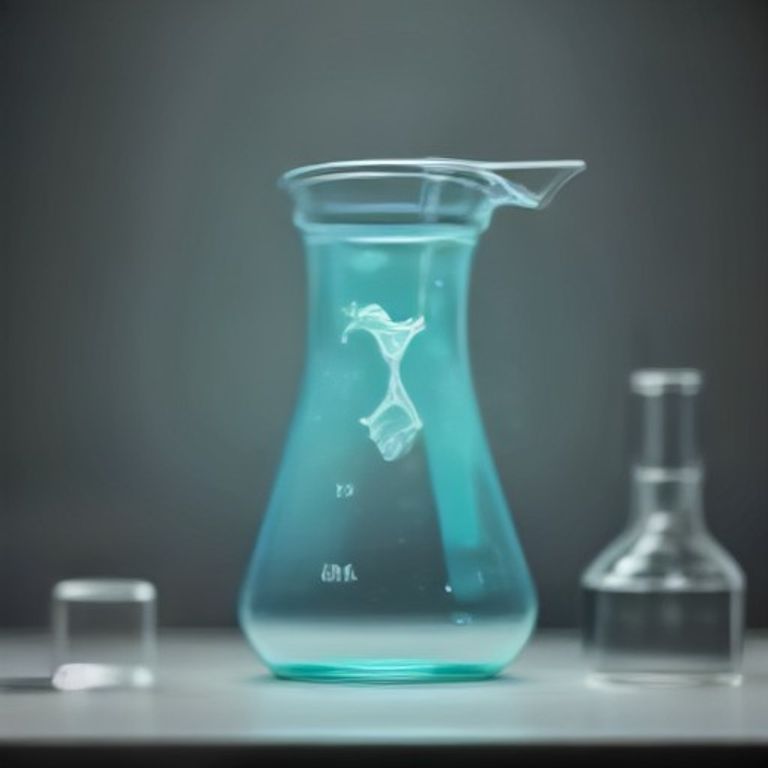


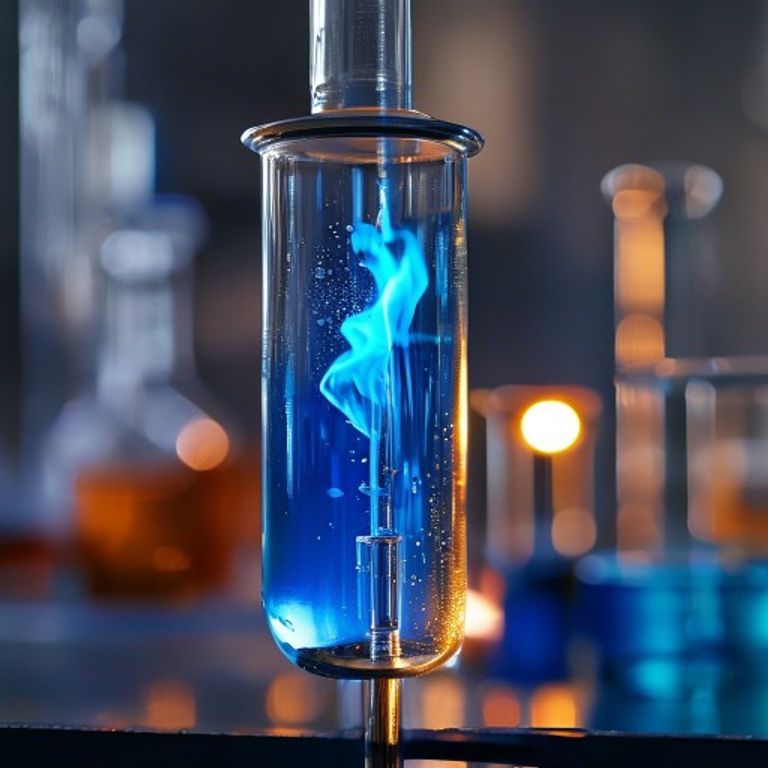
The Mighty Mini: Explorer les différentes utilisations des tubes d'essai dans la science et au-delà

Quand nous imaginons un laboratoire scientifique, ce qui est l'un des premiers morceaux de verrerie de laboratoire Ça me vient à l'esprit ? Pour beaucoup d'entre nous, c'est l'humble tube d'essai. Ce vase en verre simple et cylindrique peut sembler impensable, mais ne laissez pas son apparence modeste vous tromper. C'est un vrai cheval de travail dans pratiquement toutes les disciplines scientifiques, de la chimie à la biologie, et même dans les diagnostics médicaux. Aujourd'hui, laissez-les plonger profondément dans le monde fascinant des tubes d'essai et explorer la myriade de façons que les scientifiques et les étudiants les mettent à utiliser.
Je me souviens de ma première fois dans un laboratoire de chimie, me sentant un mélange d'excitation et d'appréhension. Au milieu des instruments complexes, le tube d'essai se distinguait par quelque chose d'approcheable, un outil que je pouvais immédiatement comprendre. C'est comme le couteau suisse du laboratoire – polyvalent, essentiel et étonnamment puissant pour sa taille. Nous couvrirons tout de pour quels tubes d'essai sont utilisés en chimie à leur rôle critique dans les milieux médicaux, et même certains expériences communes effectuées avec des tubes d'essai.
Qu'est-ce qu'un tube d'essai exactement et pourquoi les scientifiques les utilisent-ils?
Avant d'explorer ses applications, laissez rapidement définir notre étoile. Un tube d'essai est généralement un tube cylindrique en verre ou en plastique de longueur des doigts, ouvert à une extrémité et fermé avec un fond U arrondi à l'autre. La plupart sont fabriqués en verre borosilicaté, ce qui les rend très résistants aux chocs thermiques et à la corrosion chimique – parfaits pour les environnements difficiles de laboratoire. La raison pourquoi les scientifiques utilisent des tubes d'essai se résume à plusieurs avantages clés:
- Réactions à petite échelle : Leur taille est parfaite pour manipuler de petits volumes de liquides, ce qui les rend idéales pour les micro-échelles réactions chimiques sans gaspillage de précieux réactifs.
- Capacités de chauffage: La forme étroite et le verre robuste permettent un chauffage direct sur un brûleur Bunsen, ce qui facilite les réactions nécessitant des températures élevées.
- Observation facile : Leurs murs transparents offrent une vue dégagée des réactions, des précipités et des changements de couleur.
- Mélange et stockage: Ils sont excellents pour mélanger des solutions et stocker temporairement des échantillons.
Test Tube utilise en chimie: la fondation de la découverte
En chimie, les tubes d'essai sont indispensables. Ils sont le navire de passage pour d'innombrables procédures. Laissez voir quelques primaires Objet d'un tube d'essai dans un laboratoire en matière d'exploration chimique:
1. Exploitation et mélange de petits échantillons
Considérez-les comme de petits béchers, mais pour de plus petites quantités. Lorsque vous devez seulement travailler avec quelques millilitres d'une substance, un tube d'essai est le récipient parfait. Son ouverture étroite minimise l'évaporation et permet un mélange facile en tournoyant doucement ou en clignotant le tube.
2. Produits chimiques et solutions de chauffage
Besoin de réchauffer une solution pour accélérer une réaction? Un tube de test est votre meilleur ami. Nous pouvons le maintenir en toute sécurité avec une pince à tube d'essai et le chauffer directement sur une flamme. Cela permet un chauffage rapide et efficace, qui est crucial pour de nombreuses réactions de synthèse et de décomposition.
3. Observer les réactions
De nombreuses réactions chimiques impliquent des signaux visuels tels que des changements de couleur, l'évolution du gaz ou la formation d'un précipité. Le verre transparent d'un tube d'essai fournit une excellente fenêtre pour observer ces phénomènes de près, nous aidant à comprendre la chimie qui se déroule devant nos yeux.
4. Analyse qualitative
Lors des essais visant à identifier des substances inconnues (analyse qualitative), les tubes d'essai sont essentiels. Nous pourrions ajouter un réactif spécifique à un échantillon suspecté dans un tube d'essai et chercher un changement de couleur caractéristique ou précipiter pour confirmer la présence d'un ion ou d'un composé particulier.
Au-delà du bécher : applications de tubes d'essai dans les laboratoires médicaux
Bien que souvent associés à la chimie, les tubes d'essai jouent un rôle tout aussi vital dans les laboratoires médicaux et biologiques. Voici quelques clés les applications de tubes d'essai dans les laboratoires médicaux:
1. Collecte et traitement des échantillons de sang
C'est peut-être l'une des utilisations médicales les plus courantes. Lorsque vous obtenez le sang prélevé, il est recueilli dans des tubes d'essai spécialisés (souvent appelés vacutainers) qui contiennent divers additifs ou anticoagulants selon le type de test nécessaire. Ces tubes sont ensuite utilisés pour la centrifugation pour séparer le plasma ou le sérum, et pour l'analyse directe.
2. Analyse urinaire
Comme pour le sang, des échantillons d'urine sont prélevés dans des éprouvettes pour divers tests de diagnostic, y compris l'analyse d'urine (contrôle des composants anormaux) et les cultures de microbiologie pour détecter les infections.
3. Cultures microbiologiques
Les tubes d'essai fournissent un environnement stérile pour la culture bactérienne ou fongique. Les milieux de croissance liquides (broths) sont souvent placés dans des tubes d'essai, inoculés avec un échantillon, et incubés. Cela permet aux microbiologistes d'identifier les agents pathogènes responsables des infections.
4. Essais de diagnostic
De nombreux tests diagnostiques, allant des tests immunologiques à l'amplification de l'ADN (comme la PCR), impliquent la mise en place de réactions ou la préparation d'échantillons dans des tubes d'essai avant une analyse plus poussée sur des instruments automatisés.
Expériences courantes effectuées avec des tubes d'essai
Alors, quel genre de expériences scientifiques Pouvons-nous vraiment faire avec ces tubes polyvalents? Beaucoup ! Voici quelques exemples :
- Réactions aux précipitations : Mélanger deux solutions claires pour observer la formation d'un précipité solide.
- Réactions acides-basiques: Ajouter un indicateur à un acide ou à une base puis le titrager avec le contraire pour observer les changements de couleur.
- Évolution du gaz : Réaction de produits chimiques pour produire un gaz, qui peut être vu comme des bulles formant.
- Chauffage et décomposition: Chauffer doucement les solides pour observer leur décomposition ou les liquides pour observer les points d'ébullition.
- Essais de solubilité: Ajouter une petite quantité d'un solide à différents solvants dans des tubes d'essai distincts pour voir lequel le dissout.
Conseils pour manipuler les tubes d'essai en toute sécurité
Comme nous travaillons souvent avec des produits chimiques et de la chaleur, la sécurité est primordiale. N'oubliez jamais :
- Portez des lunettes de sécurité.
- Utiliser un porte-tube lors du chauffage.
- Pointez l'ouverture d'un tube d'essai chauffé loin de vous et des autres.
- Ne remplissez jamais un tube d'essai à plus d'un tiers lorsqu'il chauffe des liquides pour éviter qu'ils ne bouillissent.
- Placez les tubes d'essai chauds dans un porte-tubes d'essai pour refroidir, jamais directement sur un banc à froid comme il pourrait éclater. En parlant de racks, ils ne sont pas seulement pour le stockage; ils jouent un Fonction vitale du rack de tube d'essai dans le maintien de l'organisation et de la sécurité pendant les expériences.
FAQ sur l'utilisation des tubes d'essai
Q: Puis-je utiliser des tubes d'essai en plastique plutôt que du verre?
R : Oui, mais cela dépend de la demande. Les tubes d'essai en plastique sont excellents pour les produits chimiques non corrosifs, le stockage des échantillons et lorsque la rupture est préoccupante. Toutefois, ils ne peuvent généralement pas résister à des températures élevées ou à des solvants solides comme ceux du verre.
Q: Comment puis-je nettoyer un tube d'essai correctement?
R: Pour la plupart des utilisations en laboratoire, rincer immédiatement après l'utilisation avec de l'eau du robinet, puis laver avec un détergent et une brosse à tube d'essai. Rincer abondamment à l'eau distillée et laisser sécher à l'envers dans un rack. Pour les résidus tenaces, il peut être nécessaire de tremper dans un solvant ou un acide approprié (avec des précautions de sécurité appropriées).
Q: Quelle est la différence entre un tube d'essai et un tube de culture?
R : Sur le plan fonctionnel, ils sont très semblables. Le "tuyau de culture" implique généralement un tube d'essai stérile, souvent avec un bouchon à vis, spécialement utilisé pour les microorganismes en croissance. "Test tube" est un terme plus large pour usage général en laboratoire.
Conclusion
Du mélange précis des réactifs dans un laboratoire de chimie à l'analyse critique des échantillons de patients dans un établissement médical, le tube d'essai demeure un outil indispensable. Il incarne la simplicité, l'efficacité et la polyvalence, prouvant que même les plus basiques matériel de laboratoire can be foundational to scientific progress. So, the next time you see a test tube, remember it’s not just a piece of glass; it’s a window into countless discoveries and a testament to the ingenuity of scientific exploration.
Its humble design truly makes it the mighty mini of the laboratory, enabling a vast range of expériences scientifiques and practical applications across various fields.