

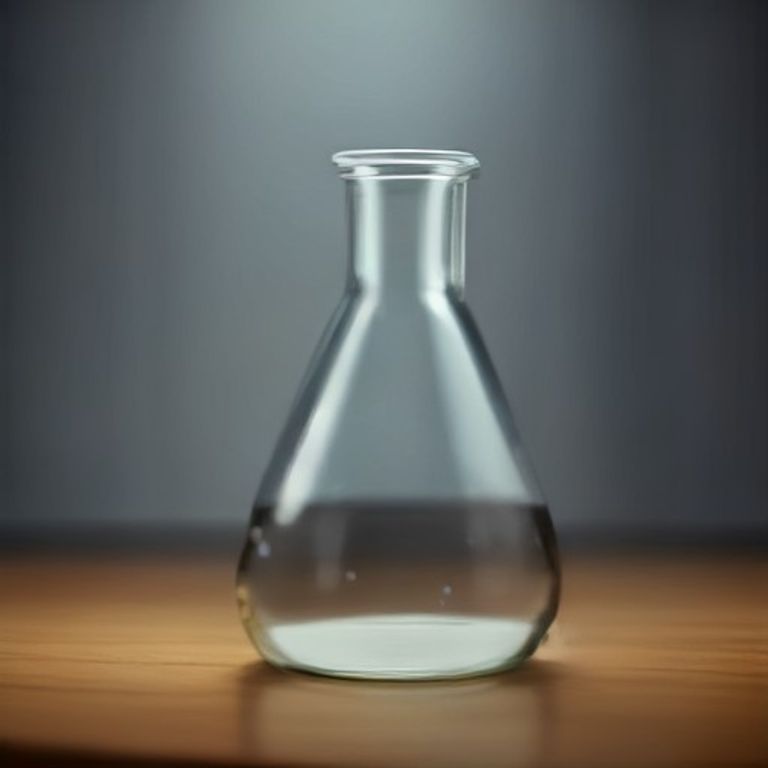
Au-delà du bécher: Dévoiler le monde précis des utilisations volumétriques du flasque dans votre laboratoire

Dans le monde fascinant de la chimie, la précision n'est pas seulement un bonus ; c'est le socle de résultats fiables. Nous parlons souvent de mesures précises, mais quels outils nous aident vraiment à y parvenir?
Si vous avez passé n'importe quel temps dans un laboratoire, vous avez probablement rencontré une variété de verrerie. Mais parmi eux, on se distingue par son engagement inébranlable à l'exactitude : la fiole volumétrique. Aujourd'hui, nous allons plonger profondément dans l'essentiel Utilisation de flacons volumétriques, explorant pourquoi cette pièce d'équipement apparemment simple est une superstar absolue en matière de précision.
L'étoile de précision: Qu'est-ce que c'est exactement un jet volumétrique?
Imaginez que vous faites cuire un gâteau, et la recette demande exactement 250 ml de lait, pas une goutte plus ou moins, pour obtenir cette consistance parfaite. Dans le labo, surtout dans matériel de chimie analytique, nos « recettes » exigent encore plus d'exactitude. C'est là que brille la fiole volumétrique.
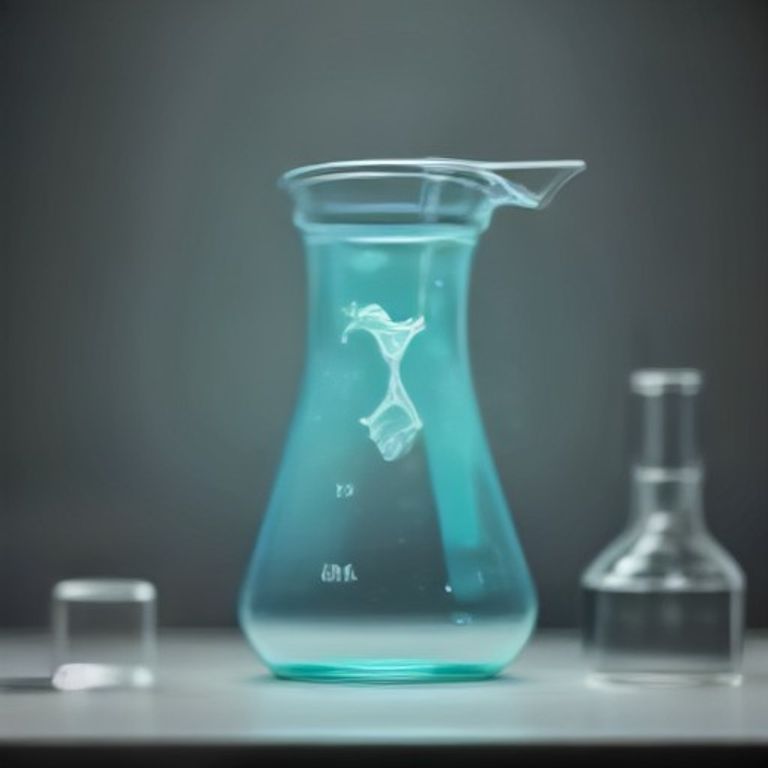
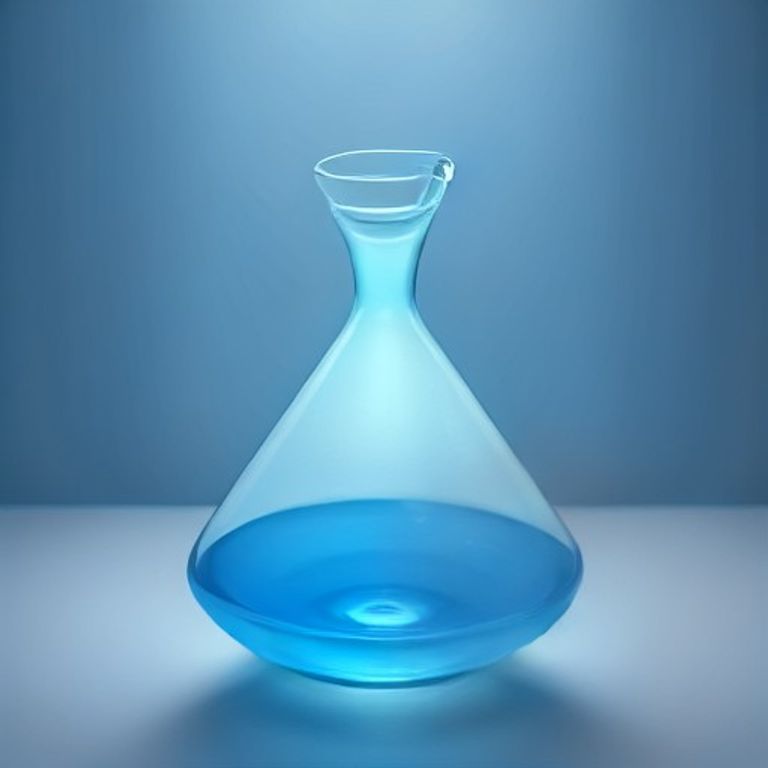
Contrairement à un bécher ou à une fiole Erlenmeyer, qui sont excellents pour mélanger ou retenir des liquides, une fiole volumétrique a une conception très spécifique. Il dispose d'un fond plat, d'un corps rond et d'un long cou étroit avec une seule Marque d ' étalonnage gravé autour du cou. Cette marque signifie un volume précis à une température spécifique, généralement de 20°C.
Alors, pourquoi les flacons volumétriques sont très précis? Il s'agit de cette seule marque de calibrage et du cou étroit. Un petit changement de hauteur du liquide dans le col étroit correspond à un très petit changement de volume, ce qui le rend incroyablement sensible à l'obtention du volume exact prévu. C'est comme utiliser une cuillère de mesure super fine au lieu d'une cuillère à soupe régulière quand chaque milligramme compte.
Mission principale : Préparation de la solution standard
Une des plus fréquentes et critiques Utilisation de flacons volumétriques est dans le préparation de la solution standard. Une solution standard est celle avec une concentration précisément connue, et il est absolument vital pour de nombreuses analyses chimiques, comme les titrages ou la spectrophotométrie.
Voici comment on en prépare habituellement un:
- Nous pesons avec précision une quantité spécifique de soluté (la substance que nous voulons dissoudre).
- Nous transférons soigneusement ce soluté dans la fiole volumétrique, souvent en utilisant un entonnoir pour éviter les déversements.
- Nous ajoutons une partie du solvant (habituellement de l'eau distillée) pour dissoudre le soluté, tourbillonnant doucement.
- Une fois dissous, nous ajoutons ensuite plus de solvant, lentement, jusqu'à ce que le fond du ménisque (la surface courbée du liquide) s'aligne parfaitement avec le Marque d ' étalonnage sur le cou du flacon. Cela garantit une réelle mesure précise du volume.
- Enfin, nous arrêtons la fiole et l'inversons plusieurs fois pour assurer un mélange complet.
Ce processus méticuleux garantit que la solution obtenue a la concentration exacte dont nous avons besoin, qui est fondamentale pour des résultats expérimentaux fiables.
L'art de la dilution: Comment utiliser un flasque volumétrique pour les dilutions
Au-delà de la préparation de solutions standard à partir de zéro, une autre tâche cruciale pour ces flacons est la dilution. Si vous avez une solution de stock concentré et que vous avez besoin d'une solution moins concentrée, comment utiliser une fiole volumétrique pour les dilutions est la clé.
Disons que nous avons une solution de 1,0 M et nous devons faire 100 mL d'une solution de 0,1 M. Il s'agit de calculer les facteur de dilution. Nous mettrons soigneusement le volume nécessaire de la solution concentrée dans notre fiole volumétrique propre. Ensuite, tout comme avec la préparation de solution standard, nous remplissons la fiole avec le solvant approprié jusqu'à la Marque d ' étalonnage. Cela garantit que la solution diluée a également une concentration connue avec précision.
Cette méthode est bien supérieure à essayer de se diluer dans un bécher ou un cylindre gradué, car leurs bouches plus larges et les marquages moins précis ne permettent pas d'obtenir le même niveau de précision requis pour les travaux critiques.
Au-delà des solutions : autre objectif majeur du flasque volumétrique en laboratoire
Alors, à quoi servent les flacons volumétriques en chimie au-delà de la préparation de solutions simples? Leur grande précision les rend inestimables dans plusieurs autres scénarios :
- Préparation des réactifs : De nombreux réactifs de laboratoire doivent être faits à une concentration exacte pour que les expériences fonctionnent correctement et de manière reproductible.
- Création de courbes d'étalonnage : Dans l'analyse instrumentale (comme l'utilisation d'un spectrophotomètre), nous avons souvent besoin de préparer une série de solutions avec des concentrations connues et variables pour créer une courbe d'étalonnage. Les flacons volumétriques sont essentiels à cette tâche précise.
- Préparation des échantillons : Pour certains types d'analyse, un échantillon peut devoir être dissous et dilué à un volume spécifique et connu avant de pouvoir être analysé.
Les avantages d'utiliser un flacon volumétrique pour des mesures précises vraiment jusqu'à la fiabilité et la reproductibilité. Lorsque nous savons que nos volumes sont exacts, nous pouvons faire confiance à nos calculs et à nos résultats expérimentaux. Cela permet d'économiser du temps, de réduire les erreurs et, en fin de compte, d'améliorer la science.
Conseils pour maîtriser votre flasque volumétrique
Pour tirer le meilleur parti de cet outil de précision, voici quelques conseils pratiques :
- La propreté est la clé: Assurez-vous toujours que votre fiole est scrupuleusement propre et sèche avant utilisation. Les résidus peuvent affecter la précision.
- La température compte : Les flacons volumétriques sont étalonnés à une température spécifique (habituellement 20°C). Des fluctuations de température importantes peuvent affecter le volume du liquide et du verre lui-même, entraînant des inexactitudes. Essayez de travailler à la température d'étalonnage ou à proximité.
- Lisez le Meniscus correctement: Lisez toujours le fond du ménisque au niveau des yeux pour éviter toute erreur de parallaxe.
- Ne jamais chauffer: Ne pas chauffer une fiole volumétrique directement. Le verre n'est pas conçu pour le chauffage et cela peut modifier en permanence son calibrage. Dissoudre les solides dans un bécher d'abord si le chauffage est nécessaire, puis transférer la solution refroidie.
- Poignée avec soin : Ce sont des instruments de précision; traitez-les doucement pour éviter les rayures ou les dommages qui pourraient affecter leur précision.
Conclusion
Comme nous avons exploré, la fiole volumétrique pourrait ne pas être le morceau le plus flash brûleur de laboratoire Mais son rôle en matière de précision scientifique est vraiment indispensable. De la préparation de solutions standard cruciales aux échantillons diluant méticuleusement, sa conception pour une précision inégalée en fait un point de départ pour toute personne qui valorise des données fiables.
La prochaine fois que vous verrez une fiole volumétrique, vous le saurez non seulement un autre conteneur, mais un instrument de précision dédié à faire chaque compte de mesure. Donc, laissez-les embrasser l'exactitude et élever notre travail de laboratoire avec la puissante fiole volumétrique!
FAQ
Q1: Puis-je chauffer un liquide dans une fiole volumétrique?
R: Non, vous ne devriez jamais chauffer les liquides directement dans une fiole volumétrique. Ils sont étalonnés à une température spécifique (habituellement 20°C), et le chauffage peut provoquer l'expansion du verre et modifier en permanence son volume étalonné, ce qui le rend inexact.
Q2 : Quelle est la différence entre un flacon volumétrique et un flacon Erlenmeyer ?
R: La principale différence réside dans leur but. Une fiole volumétrique est conçue pour des mesures de volume très précises et pour préparer des solutions à une concentration exacte. Un flacon Erlenmeyer, bien qu'utile pour le mélange et les réactions, n'est pas conçu pour une mesure précise du volume; ses marques sont approximatives.
Q3: Pourquoi est-il important de lire le ménisque au niveau des yeux?
R: La lecture du ménisque au niveau des yeux prévient ce qu'on appelle "erreur parallaxe". Si vous lisez ci-dessus ou ci-dessous, le volume apparent sera incorrect, ce qui entraînera une mesure inexacte.
Q4 : Que dois-je faire si je remplit accidentellement une fiole volumétrique après la marque d'étalonnage?
A: If you overfill, you must start over. It’s impossible to accurately remove excess liquid to return to the exact calibration mark without affecting the concentration of the dissolved solute. Discard the solution and begin the preparation process again with a clean flask.
Q5: Les flacons volumétriques sont-ils disponibles en différentes tailles?
A: Yes, volumetric flasks come in a wide range of sizes, typically from 1 mL up to 2000 mL (2 Liters), allowing for precise preparation of various solution volumes.