


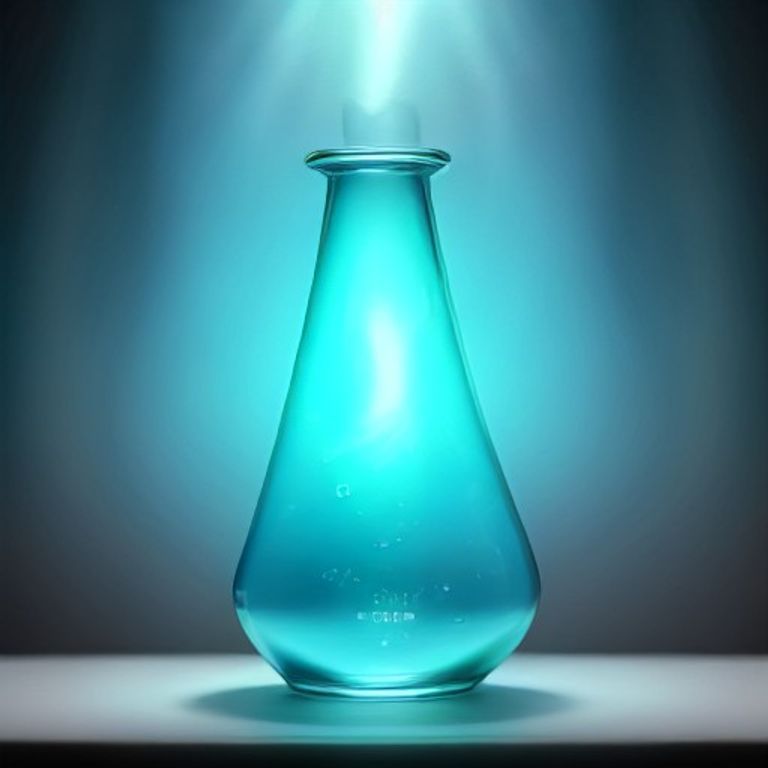
The Mighty Erlenmeyer Flask: Votre guide Go-To pour les utilisations de laboratoire et au-delà

Dans le vaste monde de la verrerie de laboratoire, il y a quelques pièces qui se distinguent vraiment comme indispensables. Parmi eux, la fiole Erlenmeyer, souvent connue avec affection comme la fiole conique, occupe une place spéciale. Sa forme de cône, son fond plat et son col étroit le rendent non seulement reconnaissable mais incroyablement polyvalent. Si vous avez déjà mis les pieds dans un laboratoire de chimie, un laboratoire de biologie, ou même une installation de brassage à domicile, les chances sont que vous avez vu et peut-être utilisé ce cheval de travail de l'équipement scientifique. Mais avez-vous jamais vraiment arrêté de penser à Pourquoi Il a conçu de cette façon ou toutes les manières ingénieuses que nous l'avons mis à utiliser?
Aujourd'hui, nous allons à une petite aventure pour explorer la fiole Erlenmeyer – de ses origines humbles à ses applications sophistiquées. Nous allons découvrir ses avantages uniques, plonger dans ses utilisations communes, et même toucher quelques conseils pratiques pour le manipuler. Alors, prenez votre manteau de laboratoire (ou juste une tasse de café), et laissez plonger dans le monde fascinant de la fiole conique!
Qu'est-ce qui rend l'Erlenmeyer Flask si spécial ?
À première vue, la fiole d'Erlenmeyer pourrait ressembler à un autre récipient en verre. Cependant, sa conception est un brillant exemple de fonction de réunion de forme. Inventé par le chimiste allemand Emil Erlenmeyer en 1860, sa forme offre plusieurs avantages clés sur, par exemple, un simple bécher:
Évaporation réduite: Le col étroit réduit considérablement la surface exposée à l'air, ce qui signifie que le solvant s'évapore moins pendant le chauffage ou le stockage prolongé. Ceci est super utile lorsque vous devez maintenir la concentration de la solution.
Excellent pour le mélange et le swirling: Le corps conique est parfait pour tourner les liquides sans risque d'éclaboussures. Imaginez essayer de tourner vigoureusement un bécher – ce serait un désordre! La fiole Erlenmeyer conserve tout contenu, ce qui en fait un choix idéal pour les tâches nécessitant des solutions de mélange complètes.
Sécurité au chauffage: Lors du chauffage des liquides, le col étroit permet l'insertion de bouchons, thermomètres ou condenseurs plus solidement. La base plus large offre une bonne stabilité sur une plaque chaude ou lors d'un serrage.
Manipulation facile : Le cou fournit une poignée pratique, ce qui rend plus facile à tenir et à verser qu'un bécher à large bouche.
Utilisations communes de l'Erlenmeyer Flask dans le laboratoire
La polyvalence de la fiole Erlenmeyer signifie que vous trouverez qu'elle joue une multitude de rôles dans différents milieux de laboratoire. De la chimie de base au travail biologique complexe, il est un vrai tout-rounder.
Solutions de mélange et de chauffage
À mesure que nous touchons, sa forme le rend parfait pour remuer, tourner et chauffer des produits chimiques. Que vous soyez en train de dissoudre des solides, de préparer des solutions ou d'effectuer des réactions qui nécessitent un chauffage doux, la fiole Erlenmeyer excelle. Son fond plat est bien assis sur une plaque chaude, et le verre (habituellement borosilicate) est conçu pour résister aux chocs thermiques.
L'étoile des expériences de titration
Peut-être que l'une des utilisations les plus emblématiques de cette verrerie est en titrage. Si vous avez déjà effectué un titrage, vous savez combien il est crucial de tourner constamment la solution en ajoutant le titrage goutte à goutte. Voici pourquoi utiliser la fiole Erlenmeyer pour le titrage:
Pas d'éclaboussures : La forme conique minimise les éclaboussures en tourbillonnant, assurant que toute la solution reste dans la fiole pour des résultats précis.
Visibilité de l'indicateur : Le verre transparent permet une observation facile des changements de couleur, particulièrement critique lors de l'atteinte du paramètre.
Facile à placer sous une Burette : Son cou offre un espace suffisant pour positionner la fiole directement sous une pointe de burette sans obstruction.
Culturation des micro-organismes et des entrées de levure
Au-delà de la chimie traditionnelle, la fiole Erlenmeyer est un favori en microbiologie et en biotechnologie. Sa capacité à être bloqué ou recouvert d'un bouchon respirant le rend excellent pour cultiver des bactéries, des champignons ou des levures. Pour les brasseurs, la fiole Erlenmeyer pour les démarreurs de levure est presque une pièce d'équipement standard. La grande surface du fond assure un bon échange d'oxygène (en tourbillonnant ou en agitant), ce qui est vital pour la croissance initiale de la levure, tandis que le col étroit réduit les risques de contamination.
Comment utiliser efficacement un jet Erlenmeyer
Bien que cela puisse sembler simple, sachant comment utiliser un flacon Erlenmeyer correctement peut améliorer votre expérience de laboratoire et assurer la sécurité:
Nettoyage: Assurez-vous toujours que votre flacon est impeccablement propre avant utilisation, surtout pour les expériences sensibles ou la culture. Utilisez des détergents de laboratoire appropriés et rincer soigneusement.
Chauffage: Lors du chauffage, utilisez une gaze filaire sur un trépied au-dessus d'un brûleur Bunsen, ou placez-la directement sur une plaque chaude. Évitez de chauffer une fiole vide directement car elle peut se fissurer.
Ça bouge. Maintenez le cou fermement et tournez doucement dans un mouvement circulaire. C'est un art qui vient avec la pratique!
Mesure: Bien que certains flacons d'Erlenmeyer aient des marques de volume, rappelez-vous qu'il s'agit généralement de mesures approximatives, pas précises. Pour un volume précis, utilisez toujours un cylindre gradué ou un flacon volumétrique.
Sécurité d'abord: Portez toujours l'équipement de protection individuelle approprié (EPI), comme les lunettes de sécurité, lors de la manipulation de produits chimiques ou de solutions de chauffage dans une fiole Erlenmeyer.
Erlenmeyer Flask vs. Beaker : une comparaison rapide
Vous vous demandez peut-être, si les deux sont des verreries de laboratoire communes, quand devriez-vous choisir un flacon Erlenmeyer sur un bécher? Voici une règle de pouce simple:
Choisissez un bécher lorsque: Vous devez facilement verser, mélanger de grands volumes rapidement ou couvrir la solution de façon souple. Les béchers sont excellents pour la tenue générale, la préparation de solutions ou le chauffage avec des préoccupations d'évaporation minimales.
Choisissez un flacon Erlenmeyer lorsque: Vous devez prévenir les éclaboussures, minimiser l'évaporation, effectuer des titrations, stocker des solutions pendant une période ou effectuer des réactions qui nécessitent un tourbillon vigoureux.
Les deux ont leurs forces uniques, et souvent vous les trouverez travailler côte à côte dans de nombreuses configurations expérimentales.
Conclusion
De sa conception simple et ingénieuse à sa présence omniprésente dans les laboratoires du monde entier, la fiole Erlenmeyer est vraiment un témoignage de la conception fonctionnelle dans l'équipement scientifique. Qu'il nous aide à déterminer précisément les concentrations dans un titrage, à prévenir la contamination dans un démarreur de levure, ou simplement à fournir un environnement sans éclaboussures pour le mélange, sa polyvalence est inégalée. Donc la prochaine fois que vous verrez cette humble fiole conique, j'espère que vous apprécierez le rôle puissant qu'elle joue dans d'innombrables découvertes scientifiques et applications pratiques chaque jour!
FAQ
Q: Les flacons Erlenmeyer peuvent-ils être chauffés directement avec un brûleur Bunsen?
R: Oui, la plupart des flacons Erlenmeyer sont en verre borosilicate (comme Pyrex), conçu pour résister au chauffage direct. Cependant, toujours s'assurer qu'il y a du liquide à l'intérieur et utiliser une gaze de fil pour distribuer la chaleur uniformément, en empêchant la surchauffe localisée qui peut causer des fissures.
Q: Quel est le principal avantage d'une fiole Erlenmeyer sur un bécher?
R: Le principal avantage est son col étroit et sa forme conique, qui réduit significativement les éclaboussures pendant le tourbillonnage et minimise l'évaporation du liquide contenu. Cela le rend idéal pour les titrations, le mélange et la culture à long terme.
Q: Les marques de volume sur un flacon Erlenmeyer sont-elles précises pour des mesures précises?
R : Non, les marques de volume sur une fiole Erlenmeyer sont approximatives et ne doivent pas être utilisées pour des mesures précises. Pour être précis, utilisez toujours des verreries étalonnées comme des bouteilles graduées ou des flacons volumétriques.
Q: Les flacons Erlenmeyer peuvent-ils être utilisés pour le stockage?
R : Oui, leur cou étroit les rend aptes à un stockage à court terme, surtout lorsqu'ils sont arrêtés, car ils aident à minimiser l'évaporation et à réduire le risque de contamination par rapport aux contenants à bouche ouverte comme les béchers.







