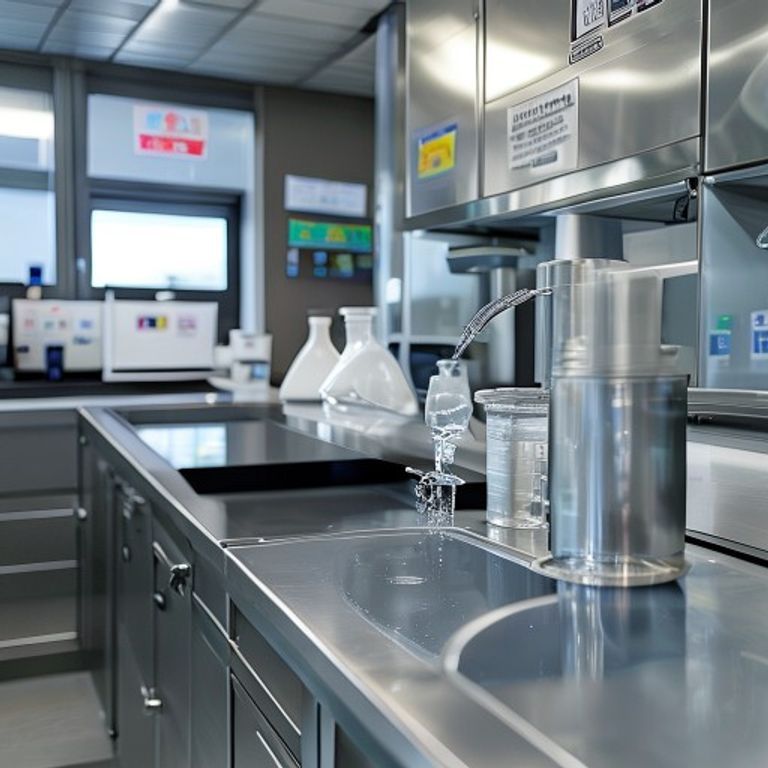
Choosing the Right Eyewash Station for Lab Safety: Portable, Stainless Steel, and Compliance Guide

Introduction
When we work with chemicals, the last thing we want is an accidental splash to the eyes. A reliable eyewash station lab is the first line of defense, turning a potentially serious injury into a quick rinse and a sigh of relief. In this article I’ll walk you through the practical choices—portable units, stainless‑steel fixtures, installation rules, and maintenance tips—so you can pick the best model for your research environment and stay compliant with safety standards.
Why an Eyewash Station Is Essential in Any Laboratory
Think of an eyewash station as the “fire extinguisher” for your eyes. Just as a fire extinguisher must be reachable within seconds, an eyewash unit must be:
- Within 10 seconds travel distance from the hazard zone.
- Capable of delivering at least 0.4 L/min of tepid water for 15 minutes.
- Easy to operate with one hand (gloves on!).
Failing to meet these basics can lead to severe eye injuries, lost research time, and costly compliance penalties.
Portable vs. Fixed Stainless Steel Eyewash Stations
Portable Eyewash Station for Laboratory Safety
Portable units are ideal for:
- Small benches or mobile workstations.
- Field labs and temporary setups.
- Budget‑conscious labs that still need quick‑access flushing.
Most portable stations use a pressurized saline solution stored in a sealed bottle. They’re lightweight, but you must regularly check the pressure gauge and replace the solution after each use.
Stainless Steel Eyewash Station for Chemical Labs
Stainless steel fixtures are the workhorse for permanent labs handling corrosive chemicals. Benefits include:
- Durability against harsh chemicals and frequent cleaning.
- Seamless integration with plumbing for a continuous water supply.
- Compliance with OSHA’s “eyewash station standards” for flow rate and temperature.
Installation usually requires a dedicated water line, a drainage system, and a wall‑mounted bracket to keep the unit stable.
Emergency Eyewash Station Installation Guidelines for Labs
Here’s a quick checklist to make sure your installation passes inspection:
- Location: No more than 10 seconds walk from the hazard.
- Water Supply: Minimum 0.4 L/min, tepid (60‑100 °F/15‑38 °C).
- Drainage: Direct to a floor drain or a sealed container to avoid slip hazards.
- Signage: Clear, illuminated signs indicating “Eyewash Station – Immediate Use.”
- Accessibility: Unobstructed path, even when benches are crowded.
Don’t forget to integrate your eyewash station into the overall emergency plan. For example, pairing it with laboratory spill kits ensures you have both flushing and containment tools at the ready.
Lab Safety Eye Wash Station Maintenance
Maintenance is the secret sauce that keeps the unit functional when you need it most. Follow this routine:
- Weekly visual inspection: Check for leaks, clogged nozzles, and clear signage.
- Monthly activation test: Run water for 30 seconds to verify flow and temperature.
- Quarterly service: Replace filter cartridges, sanitize the basin, and verify pressure gauges on portable units.
- Annual certification: Have a qualified technician sign off on compliance with OSHA standards.
Document every check in a logbook—this not only proves compliance but also helps spot trends before a failure occurs.
Best Eyewash Station Models for Research Laboratories
After testing several units, here are my top picks:
- Portable ProFlush 2‑L: Compact, pressure‑rated bottle, ideal for bench‑side use.
- Stainless Steel AquaSafe 3000: Wall‑mounted, 0.5 L/min flow, easy‑clean stainless surfaces.
- Hybrid Dual‑Flow EZ‑Wash: Offers both portable bottle and plumbed water options for flexible labs.
When selecting a model, match the flow rate, durability, and ease of maintenance to your lab’s specific chemical profile.
FAQ
What is the minimum flow rate required by OSHA?
OSHA mandates at least 0.4 L/min (≈0.1 gal/min) of tepid water for a minimum of 15 minutes.
Can I use a regular sink as an eyewash station?
No. Sinks often deliver water that is too hot or cold and lack the required flow rate. A dedicated eyewash unit is mandatory for compliance.
How often should I replace the solution in a portable eyewash bottle?
Replace the solution after each use or at least every 12 months if never used, whichever comes first.
Do I need a separate drainage system?
Yes. Proper drainage prevents water pooling, which can become a slip hazard and interfere with other equipment.
Are there any alternatives to water‑based eyewash stations?
For labs dealing with oil‑based chemicals, a saline or specialized eye‑wash solution may be required. Always check the chemical safety data sheet (SDS) for recommendations.
Conclusion
Choosing the right eyewash station lab solution doesn’t have to be a guesswork exercise. By assessing your lab’s size, chemical profile, and budget, you can decide between a portable unit or a stainless‑steel fixed system, install it according to OSHA guidelines, and keep it running with a simple maintenance schedule. Pair it with other safety gear—like fire blankets in the lab and spill kits—to build a comprehensive safety net that protects both eyes and research.