


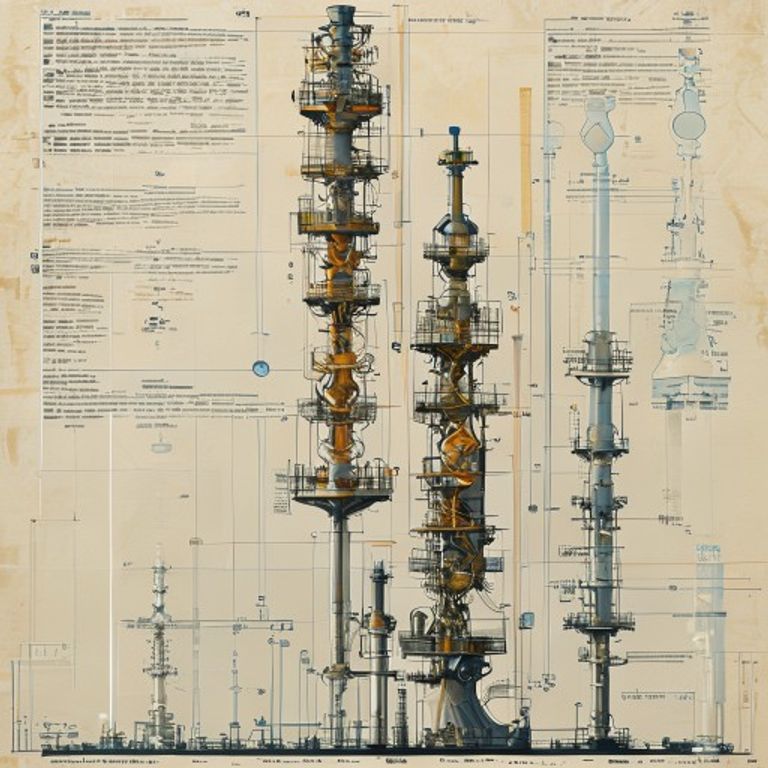
Mastering the Fractionating Column: How It Works, Design Tips, Materials, and Troubleshooting

Introduction
When we talk about separating mixtures by boiling point, the fractionating column is the star of the show. Whether you’re running a small glassware column in the lab or a massive industrial distillation tower, understanding how it works and how to design it right can save you time, money, and a lot of headaches. In this article I’ll walk you through the basics, share practical design considerations, suggest the best construction materials, and give you a quick cheat‑sheet for common problems.
How Does a Fractionating Column Work in Distillation?
Think of a fractionating column as a multi‑step staircase for vapor molecules. As the hot vapor climbs, it repeatedly condenses on a tray (or packing) and re‑evaporates. Each “step” enriches the vapor in the more volatile component, while the liquid phase becomes richer in the less volatile one. This repeated vapor‑liquid equilibrium (VLE) is what creates the sharp separation we need.
- Reflux ratio – the amount of condensed overhead liquid returned to the column; higher ratios usually mean better separation.
- Number of stages – more trays or packing sections give more opportunities for equilibrium, boosting efficiency.
- Temperature gradient – a steady drop in temperature from the bottom (hot) to the top (cold) drives the fractionation.
In practice, you adjust the reflux ratio and the heating rate until the desired purity pops out of the overhead condenser.
Design Considerations for Laboratory Fractionating Columns
Lab columns are usually made of glass or stainless steel and operate at lower pressures. Here are the key points I keep in mind when I set one up:
- Column diameter – too narrow and you get flooding; too wide and you waste solvent.
- Tray type – bubble caps, sieve trays, or valve trays. For most bench‑scale work, sieve trays are cheap and easy to clean.
- Packing material – if you prefer a packed column, choose Raschig rings or structured packing for higher efficiency.
- Reboiler and condenser sizing – match them to the expected vapor load to avoid temperature spikes.
If you’re looking for solid‑handling tips while loading samples, check out the Ultimate Guide to Choosing the Right Laboratory Spatula for Every Experiment. A good spatula makes it easier to load precise amounts of feed without spillage.
Best Materials for Industrial Fractionating Column Construction
Industrial columns face high temperatures, corrosive streams, and massive mechanical loads. The material choice can make or break the plant’s uptime.
- Carbon steel (with proper coating) – cost‑effective for non‑corrosive streams.
- Stainless steel (304/316) – excellent corrosion resistance, especially for acid or salt‑laden feeds.
- Nickel alloys (e.g., Hastelloy) – for highly corrosive or high‑temperature applications.
- Glass‑lined steel – combines the strength of steel with a protective glass barrier.
When selecting material, also consider the distillation tower efficiency and the ease of cleaning. Structured packing made from metal or ceramic can withstand harsh conditions while providing low pressure drop.
Troubleshooting Common Issues in Fractionating Column Operation
Even a well‑designed column can misbehave. Below are the most frequent symptoms and quick fixes:
- Flooding – vapor overwhelms the liquid hold‑up. Reduce the reflux ratio or lower the feed rate.
- Weeping/Dumping – liquid leaks through trays. Increase the vapor flow or check for tray damage.
- Temperature spikes – often caused by fouling or a blocked reboiler. Perform a thorough cleaning; for fouling, the how to precipitate compounds efficiently guide offers useful cleaning strategies.
- Poor separation – may indicate an insufficient number of stages or an incorrect reflux ratio. Add more trays or increase reflux.
Fractional Distillation Column vs. Fractionating Column: What’s the Difference?
People often use the two terms interchangeably, but there’s a subtle distinction:
- Fractional distillation column – typically refers to a column used for separating a mixture into several fractions (e.g., petroleum refining).
- Fractionating column – a more generic term that can describe any column that creates fractions, including simple lab columns.
In practice, the design principles are the same; the main difference lies in scale and the number of desired products.
Conclusion
Mastering the fractionating column means balancing theory (VLE, reflux ratio) with practical choices (material, tray type, troubleshooting steps). Whether you’re a student setting up a glass column or an engineer overseeing a 30‑meter tower, the same core ideas apply: keep the temperature gradient steady, watch the reflux, and maintain clean internals. With these tips you’ll get sharper cuts, lower energy consumption, and fewer emergency shutdowns.
FAQ
What is the optimal reflux ratio for a given separation?
It depends on the relative volatility of the components. Start with a ratio of 1:1 and increase until the overhead purity meets specifications. Too high a ratio wastes energy.
Can I convert a simple distillation setup into a fractionating column?
Yes, by adding a column with trays or packing and a reflux condenser. The key is to provide enough stages for equilibrium.
How often should I inspect the trays or packing?
For continuous industrial operation, schedule a shutdown inspection at least once a year. In the lab, inspect after every major run, especially if you notice flooding or weeping.
Is stainless steel always the best choice for industrial columns?
No. If the feed is non‑corrosive, carbon steel with a protective coating can be more economical. Choose based on chemical compatibility and temperature.
What safety precautions are essential when operating a large fractionating column?
Use proper pressure relief devices, monitor temperature and pressure continuously, and ensure that all connections are leak‑tested before start‑up.