Vortex Mixers Decoded: From Lab Essentials to Creative Blending – A Practical Guide

Introduction: Why Every Lab (and Artist!) Needs a Vortex Mixer
Have you ever tried to mix a liquid sample, maybe a small tube of reagent, by hand? You shake it, you tap it, but it never quite feels… well, perfectly mixed, right? Or perhaps you’re an artist trying to get that pigment just right. That’s where a fantastic piece of lab equipment, the vortex mixer, comes into play. It’s a game-changer, not just for scientific endeavors but for a surprising array of everyday applications too!
For us, whether we’re in a bustling scientific laboratory or a cozy home studio, efficiency and precision are key. A vortex mixer is a compact and incredibly useful device designed to rapidly and uniformly mix small vials of liquid. Think of it like a tiny, controlled tornado for your samples – creating a vortex that ensures thorough agitation. In this guide, we’re going to break down everything you need to know about these amazing machines, from what they are to how to pick the perfect one for your specific needs.
What Exactly is a Vortex Mixer? A Simple Analogy
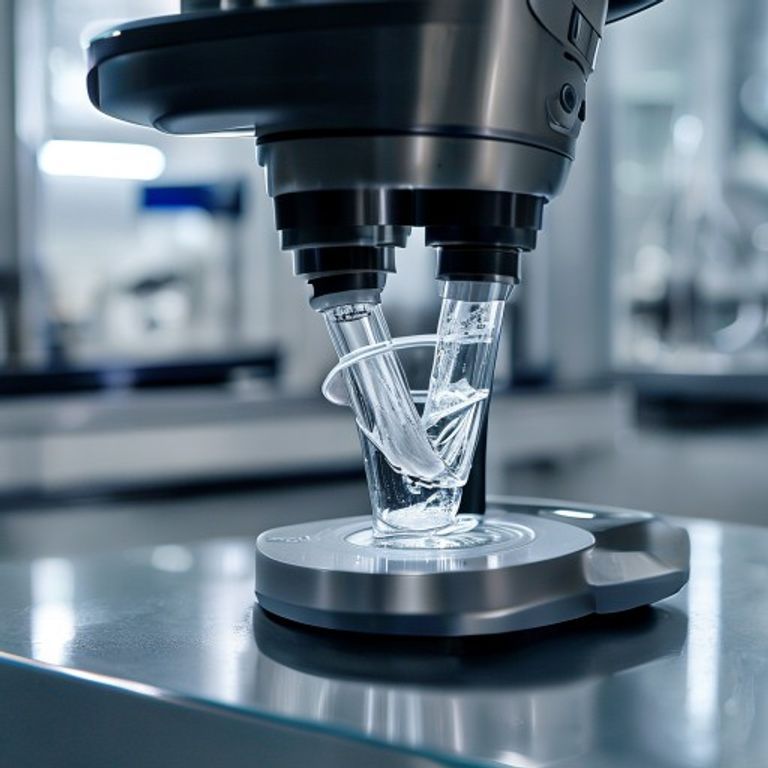
Imagine you have a cup of coffee and you want to stir in some sugar. You could use a spoon, right? A vortex mixer does something similar, but much faster and more consistently, especially for tiny tubes. It has a small rubber cup or platform that vibrates in a circular motion. When you press a test tube, vial, or even a small bottle onto this cup, the vibration transfers to the liquid inside, creating a swirling “vortex” action. This vortex is incredibly effective at quickly blending solutions, resuspending cell pellets, or mixing reagents.
This powerful yet gentle swirling action is ideal for sample preparation in countless fields. From biology labs mixing DNA samples to chemistry labs dissolving solids, or even clinical settings preparing diagnostic reagents, the precision and speed of a vortex mixer are simply invaluable.
Beyond the Beaker: Surprising Uses for Your Vortex Mixer
While the image of a lab bench with technicians might be the first thing that comes to mind, a vortex mixer is far more versatile than you’d expect. Let’s explore some of its diverse applications:
- Scientific Laboratories: This is its natural habitat! From molecular biology to microbiology, chemistry, and clinical diagnostics, the benchtop vortexer is crucial for mixing reagents, resuspending cell cultures, or homogenizing samples in various tube mixer formats. We often see the best vortex mixer for scientific lab being a high-performance, variable speed model.
- Paint & Craft Mixing: Ever struggle to get the pigments in your model paint or craft supplies perfectly mixed after they’ve settled? A mini vortex mixer for paint mixing can save you a lot of shaking time and ensure a smooth, even color every time. It’s a small investment that makes a big difference for hobbyists and artists alike.
- Tattoo Ink Blending: Tattoo artists often need to ensure their inks are perfectly consistent. A portable vortex mixer for tattoo ink is an excellent tool for achieving ideal color consistency and pigment dispersion, crucial for vibrant and lasting artwork.
- Cosmetics & Beauty Products: For small-batch makers or even just personal use, mixing custom serums, oils, or nail polishes can be made effortless and more consistent with a vortex mixer.
Choosing Your Perfect Swirl: How to Select a Vortex Mixer
With so many options out there, how do we choose the right one? Here are a few things we should consider when thinking about how to choose a vortex mixer:
- Speed Control: Do you need gentle mixing or vigorous agitation? Some models offer a fixed speed, which is often sufficient for basic needs. However, a variable speed vortex mixer review often highlights the flexibility it offers, allowing you to fine-tune the intensity for different sample types and volumes.
- Operating Mode: Most vortex mixers have “touch” mode (activates when you press the tube) and “continuous” mode (runs constantly). Some advanced models even offer programmable cycles.
- Accessories & Attachments: While many come with a standard rubber cup for single tubes, some offer platforms for multiple tubes, microplates, or larger flasks. Consider what types of vessels you’ll be using most often.
- Portability: If you need to move your mixer between different workstations or even take it on the go (like for tattoo artists), a compact and lightweight portable vortex mixer might be your best bet.
- Durability & Brand Reputation: As with any equipment, investing in a reputable brand often means better build quality, reliability, and customer support. Reading reviews can give us a good indication of long-term performance.
Keeping Your Vortex Mixer Spinning: Simple Maintenance Tips
Maintaining your vortex mixer is straightforward, but essential for its longevity and performance. Here’s what we usually do:
- Regular Cleaning: Wipe down the exterior and the rubber cup with a damp cloth and mild detergent. If there are spills, clean them immediately to prevent corrosion or damage.
- Check the Rubber Cup: Over time, the rubber cup can wear out or become stiff. If you notice any cracks or significant hardening, it’s a good idea to replace it.
- Proper Storage: Store your vortex mixer in a clean, dry place, away from direct sunlight or extreme temperatures.
- Inspect the Cord: Periodically check the power cord for any signs of fraying or damage.
FAQ About Vortex Mixers
Q: Can I use a vortex mixer for very small volumes, like microliters?
A: Yes, many vortex mixers are excellent for small volumes. The intense vortex action ensures thorough mixing even in tiny microcentrifuge tubes.
Q: Are vortex mixers noisy?
A: Generally, no. Modern vortex mixers are designed to operate quietly, especially at lower speeds. Some high-speed models might produce a moderate hum.
Q: Is there a risk of sample contamination with a vortex mixer?
A: Not if used properly. The mixing happens within a sealed tube. The exterior of the mixer should be kept clean to prevent external contamination.
Q: Can a vortex mixer replace other mixers like shakers or rotators?
A: It depends on the application. A vortex mixer is best for rapid, vigorous mixing of small volumes. For larger volumes, continuous gentle mixing, or specific orbital motions, shakers and rotators might be more appropriate. Each serves a distinct purpose.
Conclusion: The Unsung Hero of Mixing
From accelerating sample preparation in high-stakes scientific research to ensuring that perfect shade of paint for our latest project, the vortex mixer is truly an unsung hero. Its simple yet effective mechanism provides rapid, consistent, and reliable agitation, making our work easier and more precise.
We’ve seen that understanding the different types, features, and applications of these versatile lab equipment allows us to make an informed decision and get the most out of our investment. So, whether you’re outfitting a new lab or just looking for a better way to mix your craft supplies, considering a vortex mixer is definitely a smart move!