


Mastering the Sales Funnel: Practical Steps to Boost Conversions and Grow Your Business

Introduction
When we talk about growing a business, the term sales funnel pops up more often than a coffee break on a Monday morning. But what does it really mean, and why should we care? Think of a funnel as a simple kitchen tool that guides liquid from a wide opening into a narrow bottle. In marketing, the funnel guides prospects from the broad awareness stage all the way down to a purchase. In this article, I’ll walk you through what a sales funnel is used for, how it works, and why it’s a game‑changer for any business.
What Is a Sales Funnel and What Is It Used For?
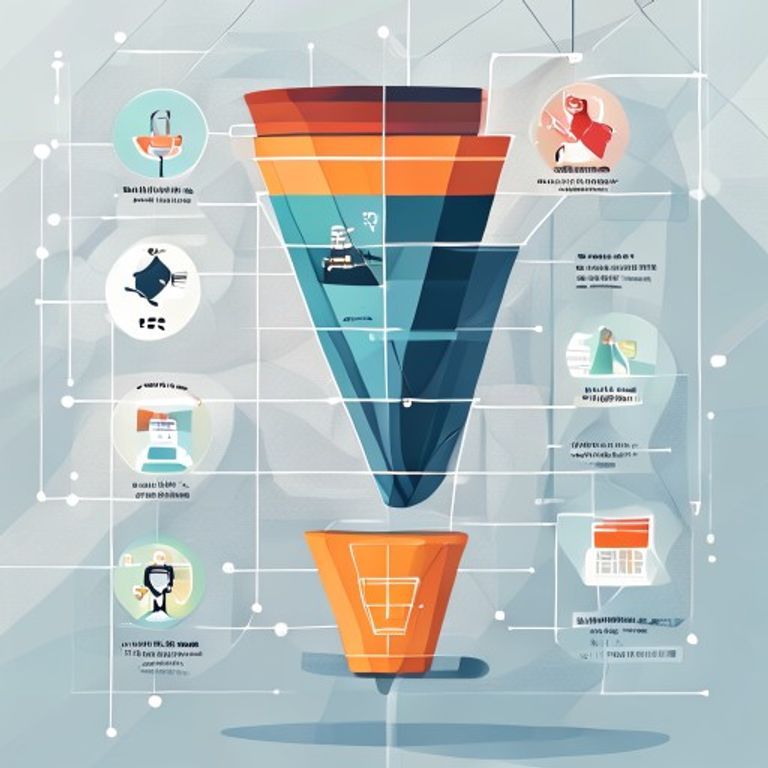
A sales funnel is a visual representation of the customer journey—the path a potential customer follows from first hearing about your brand to becoming a paying client. Its main purpose is to:
- Identify where prospects drop off
- Optimize each stage to improve the conversion rate
- Align marketing and sales teams around a shared process
In short, it’s a roadmap that turns random traffic into predictable revenue.
How Do Sales Funnels Work?
Imagine you’re pouring water into a kitchen funnel. The wide top catches a lot of liquid, but only a small amount makes it through the narrow neck. The same principle applies to leads:
- Awareness – People discover your brand through ads, SEO, or word‑of‑mouth.
- Interest – They start engaging with content, newsletters, or social posts.
- Decision – They compare options, read reviews, or request a demo.
- Action – They finally make a purchase or sign a contract.
Each stage requires specific tactics to keep prospects moving down the funnel.
Benefits of Using a Sales Funnel
Why bother building a funnel? Here are the top advantages:
- Higher conversion rates – By nurturing leads at each stage, you turn more browsers into buyers.
- Better lead qualification – You can focus sales effort on prospects who are truly ready to buy.
- Data‑driven decisions – Funnel metrics reveal exactly where your marketing strategy needs tweaking.
- Scalable growth – A well‑designed funnel can handle more traffic without a proportional increase in cost.
Why Are Sales Funnels Important for Business?
Without a funnel, you’re basically throwing darts blindfolded. You might get lucky, but most of the time you’ll waste budget on traffic that never converts. A funnel gives you:
- Clarity on lead generation sources that actually work.
- A repeatable sales process that new team members can follow.
- Insights to improve your overall marketing strategy.
Think of it as the GPS for your revenue journey—without it, you’re likely to get lost.
Practical Steps to Build Your Own Sales Funnel
Let’s get hands‑on. Below is a simple, actionable framework you can implement this week:
1. Map the Customer Journey
Start by sketching the four classic stages (Awareness, Interest, Decision, Action). Add any sub‑steps unique to your business, such as a free trial or a consultation call.
2. Create Targeted Content for Each Stage
- Awareness: Blog posts, social media snippets, infographics.
- Interest: E‑books, webinars, email newsletters.
- Decision: Case studies, product demos, comparison charts.
- Action: Clear CTAs, limited‑time offers, easy checkout.
3. Set Up Tracking and Metrics
Use tools like Google Analytics, CRM dashboards, or funnel‑specific software to monitor:
- Visit‑to‑lead conversion
- Lead‑to‑opportunity conversion
- Opportunity‑to‑sale conversion
4. Optimize Continuously
Run A/B tests on landing pages, email subject lines, and ad copy. Small tweaks can boost your overall conversion rate by double digits.
5. Learn from Analogies
Just as a laboratory funnel function helps chemists separate substances efficiently, a sales funnel helps marketers separate qualified leads from casual browsers. The principle is the same: guide the flow, filter out the noise, and collect the valuable output.
FAQ
What is the main purpose of a sales funnel?
Its primary purpose is to turn a large pool of prospects into a smaller, highly qualified group of customers by guiding them through a structured journey.
How can I measure the effectiveness of my funnel?
Track conversion rates at each stage, calculate the overall funnel conversion (e.g., % of visitors who become customers), and monitor the average time it takes for a lead to move through the funnel.
Do I need a separate funnel for each product?
Not necessarily. You can start with a single, adaptable funnel and segment audiences later based on behavior or product interest.
What tools are recommended for building funnels?
Popular options include ClickFunnels, HubSpot, Kajabi, and even simple combinations of WordPress landing pages with email automation platforms like Mailchimp.
How often should I revisit my funnel design?
At least quarterly, or whenever you launch a new campaign, product, or notice a dip in conversion metrics.
Conclusion
Building a sales funnel isn’t a one‑time project; it’s an ongoing experiment that aligns your lead generation, sales process, and marketing strategy. By visualizing the customer journey, optimizing each stage, and treating the funnel like a lab instrument that separates the useful from the waste, you’ll see higher conversion rates, clearer insights, and sustainable growth. Ready to pour your traffic into a well‑designed funnel? The results will speak for themselves.