

Unlocking the Power of the Erlenmeyer Flask: Practical Uses in Labs and Beyond

Introduction
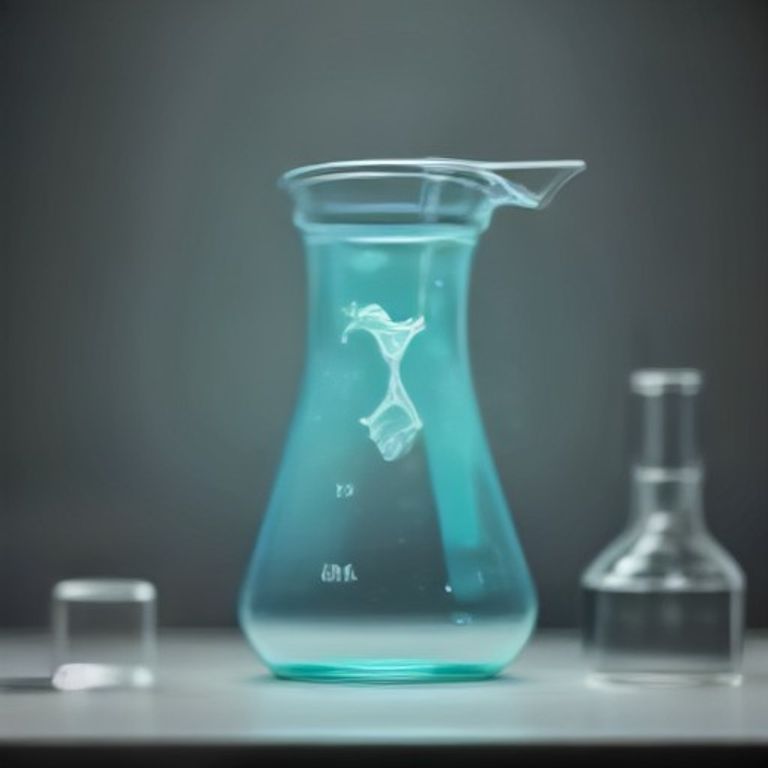
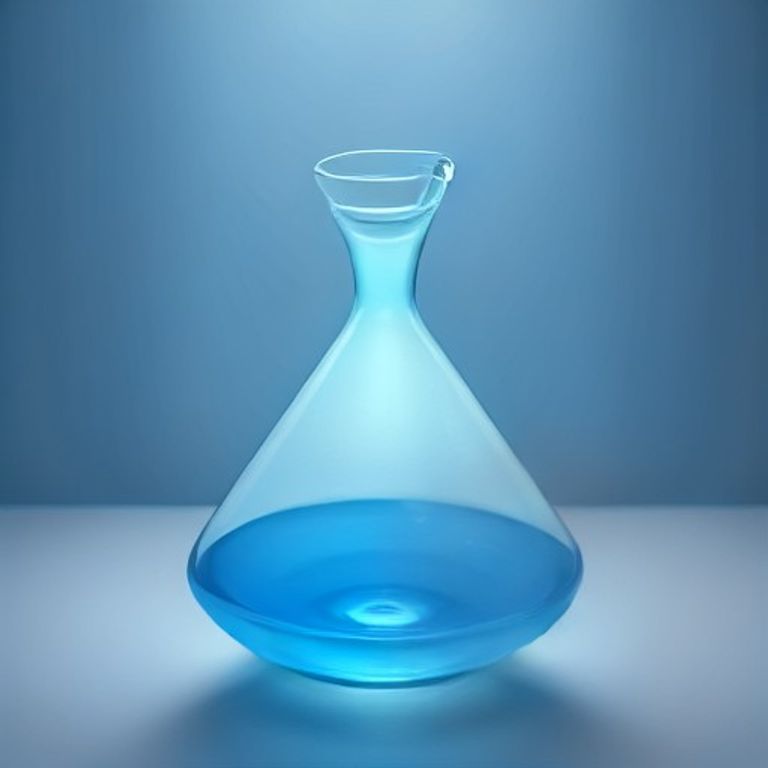
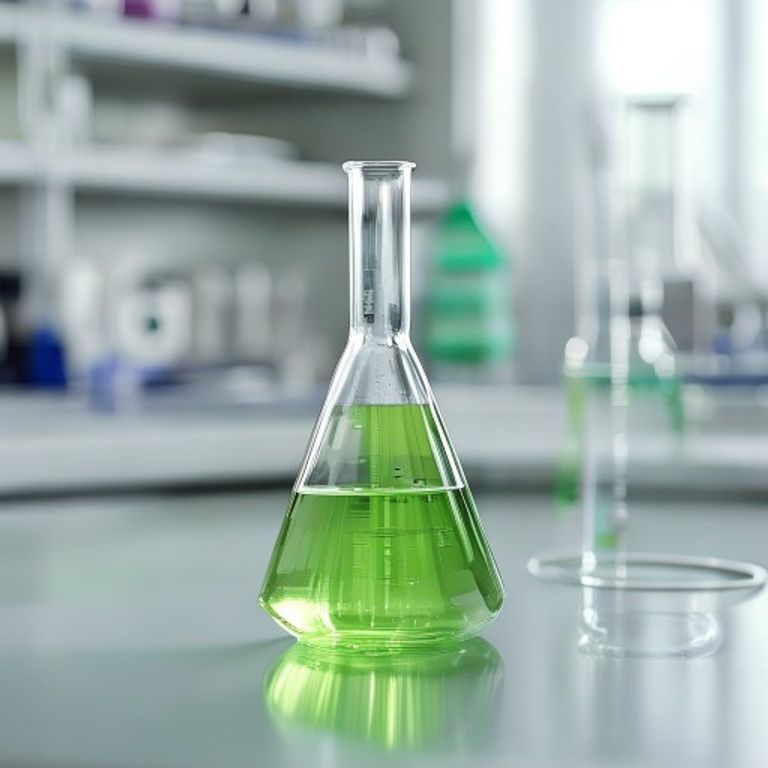
When you walk into a chemistry lab, the first thing you’ll probably notice is a row of conical glass vessels with narrow necks and wide bases. That’s the Erlenmeyer flask – the unsung hero of laboratory glassware. In this article, I’ll walk you through the Erlenmeyer flask uses that make it indispensable, from everyday mixing to precise titrations and even microbiology work. Think of the flask as the “Swiss Army knife” of the bench: versatile, sturdy, and surprisingly easy to handle.
Common Laboratory Uses of the Erlenmeyer Flask
Even before we get into the fancy stuff, the flask shines in routine tasks:
- Mixing solutions: Its conical shape encourages smooth swirling without splashing.
- Heating liquids: The thick glass tolerates moderate heat, perfect for gentle reflux.
- Storage: The narrow neck reduces evaporation and contamination.
If you’re curious about how other glassware compares, check out the essential guide to the chemistry beaker. While beakers are great for quick observations, Erlenmeyers give you that extra control when you need it.
How to Use an Erlenmeyer Flask for Titration
Titration is all about precision, and the flask’s design helps you stay accurate:
- Choose the right size: A 250 mL flask works well for most acid‑base titrations.
- Add the analyte: Pour the solution you’re testing into the flask.
- Swirl gently: The conical shape lets you mix by rotating the flask – no need for a magnetic stir bar.
- Dropwise addition: Deliver the titrant from a burette while constantly swirling to ensure uniform reaction.
Because the neck is narrow, you can place a stopper or a rubber bung if you need to keep the mixture sealed between additions.
Specific Applications of Conical Flasks in Chemistry
Beyond titration, Erlenmeyer flasks find niche roles in several chemical procedures:
- Synthesis reactions: Their shape allows for easy addition of reagents and safe venting of gases.
- Distillation setups: Use the flask as a receiving vessel; the narrow neck guides the condensed vapor.
- Pre‑column preparation: Dissolve samples before loading onto chromatography columns.
For a quick look at how other simple tools can streamline experiments, the practical ways we use test tubes article offers handy tips that often pair nicely with a flask.
Advantages of the Erlenmeyer Flask for Swirling Liquids
Swirling is more than just mixing – it’s about creating a vortex that pulls the liquid down the sides, preventing splatter. The flask’s geometry does this naturally:
- Reduced splashing: The narrow neck acts like a funnel, keeping droplets inside.
- Even temperature distribution: When you heat a solution, the swirling spreads heat uniformly.
- Hands‑free mixing: You can place the flask on a rotatory shaker for continuous agitation.
Erlenmeyer Flask Uses in Microbiology Experiments
Microbiology may seem far from chemistry, but the flask is a workhorse there too:
- Culture growth: Its shape provides a large surface area for gas exchange while limiting contamination.
- Enzyme assays: Small volumes can be mixed and incubated without losing material.
- Sterilization: Autoclave‑compatible glass endures high‑pressure cycles, keeping cultures safe.
Tips for Safe Handling and Maintenance
Even the toughest glass can crack if mishandled. Follow these quick tips:
- Inspect for chips before use – a small flaw can become a big break under heat.
- Never heat an empty flask; the sudden temperature change can cause shattering.
- Use a rubber stopper or parafilm to seal when needed, but never force a tight fit.
Conclusion
The Erlenmeyer flask may look simple, but its design packs a punch. From everyday mixing to precise titrations, from chemical syntheses to microbiology cultures, the flask’s versatility saves time, reduces waste, and keeps experiments safe. Next time you reach for a beaker, consider whether a conical flask could do the job more efficiently – you might just find a new favorite lab companion.
FAQ
Q: Can I use an Erlenmeyer flask for high‑temperature reactions?
A: Yes, but stick to moderate heat (below 200 °C) and avoid direct flame on the neck. For really high temperatures, switch to a round‑bottom flask.
Q: Is it okay to store acids in an Erlenmeyer flask?
A: Absolutely, as long as the flask is made of borosilicate glass and you keep it sealed with a proper stopper.
Q: How do I clean a flask that has stubborn residues?
A: Soak it in a diluted detergent solution, then use a brush with a long handle to reach the narrow neck. Rinse thoroughly with distilled water.
Q: What size flask should I choose for a 50 mL titration?
A: A 100–250 mL flask gives you enough headspace to swirl without spilling.
Q: Can I use the flask for gas collection?
A: Yes, its shape is ideal for downward displacement of gases, especially when paired with a delivery tube.