


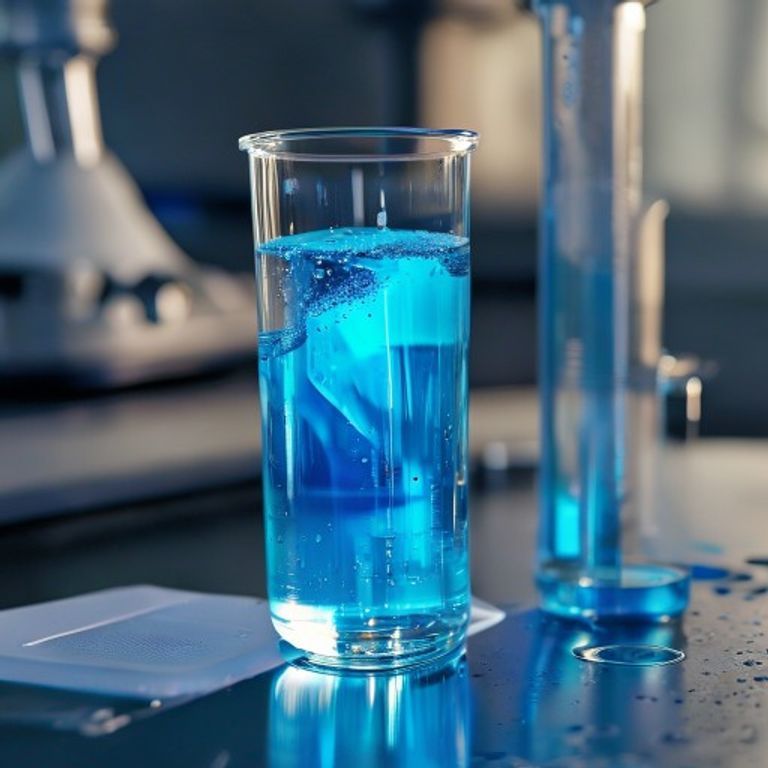
5 Practical Ways We Use Test Tubes in the Lab (and Beyond)

Introduction
When I first stepped into a chemistry lab, the row of slender glass cylinders on the bench caught my eye. Those are test tubes – the unsung heroes of countless experiments. In this article, I’ll walk you through the most common laboratory uses of test tubes, show how they fit into everyday science, and even sprinkle a few off‑lab ideas. Think of a test tube as the Swiss Army knife of glassware: simple, versatile, and always ready.
1. Mixing and Reacting Small Volumes
One of the primary reasons we reach for a test tube is to mix or react tiny amounts of chemicals safely. Because the tube is narrow, you can swirl the contents without splashing, and the thin walls allow quick heat transfer when you place it over a flame.
- Ideal for precipitation reactions
- Perfect for colorimetric tests where a few drops are enough
- Allows easy observation of gas evolution through the open top
When you need a flat surface for spotting reactions, a spot plate works great, but the test tube remains the go‑to for bulk mixing.
2. Heating and Thermal Experiments
Because glass conducts heat well, test tubes are excellent for heating small samples over a Bunsen burner or a hot plate. You can perform:
- Evaporation of solvents
- Thermal decomposition studies
- Simple distillation setups (with a condenser attached)
Just remember to use a tube holder and never heat an empty tube – the glass can crack like a sudden ice cube in hot water.
3. Sample Collection and Storage
In biology and environmental labs, test tubes often serve as mini‑containers for blood, urine, or water samples. Their narrow shape minimizes the surface area, reducing evaporation and contamination.
- Label the cap clearly – a small slip can ruin weeks of work.
- Use sterile tubes for microbiology to keep cultures pure.
- Store at appropriate temperatures; many tubes are made of borosilicate glass that tolerates low‑temp freezers.
4. Centrifugation (Mini‑Scale)
While dedicated centrifuge tubes are designed for high‑speed spins, you can still use a regular test tube for low‑speed separation, such as settling of precipitates or gentle pelleting of cells. For more demanding tasks, a centrifuge tube is the better choice, but the test tube’s simplicity makes it a handy backup.
5. Everyday Non‑Lab Uses
Believe it or not, test tubes have a life outside the lab:
- DIY cosmetics: Mix small batches of lip balm or essential oil blends.
- Science kits for kids: Safe, clear containers that let youngsters watch reactions in action.
- Miniature terrariums: A quirky way to grow tiny succulents.
Just be sure the tube is clean and, if you’re using it for food‑related projects, opt for lab‑grade glass that’s free of residues.
Choosing the Right Glassware for Precise Measurements
If you need exact volumes, a graduated cylinder is your friend. Test tubes excel when you’re more interested in mixing, heating, or observing reactions rather than measuring to the milliliter.
Safety Tips – Quick Checklist
- Always wear goggles and gloves.
- Use a tube rack or holder to prevent breakage.
- Never seal a heated test tube; pressure can build up and cause an explosion.
- Label every tube – a quick note can save hours of confusion.
Conclusion
From mixing tiny reagents to storing precious samples, test tubes prove they’re more than just simple glass cylinders. Their versatility makes them a staple in any lab and even in creative DIY projects at home. By understanding the five practical ways we use them, you’ll be able to choose the right tool for the job and keep your experiments running smoothly.
FAQ
- Can I reuse a test tube after a chemical reaction? Yes, but you must clean it thoroughly with appropriate solvents and rinse with distilled water.
- What type of glass is best for high‑temperature work? Borosilicate glass (e.g., Pyrex) resists thermal shock better than regular soda‑lime glass.
- Are plastic test tubes a good alternative? For low‑temperature or non‑reactive tasks, plastic tubes work, but they can absorb solvents and may not tolerate heat.
- How do I prevent contamination when collecting samples? Use sterile, sealed caps and handle the tube with clean gloves; avoid touching the interior.
- What’s the difference between a test tube and a centrifuge tube? Test tubes are for general mixing and heating, while centrifuge tubes are specifically designed to withstand high‑speed spins and often have conical bottoms for better pellet formation.







