


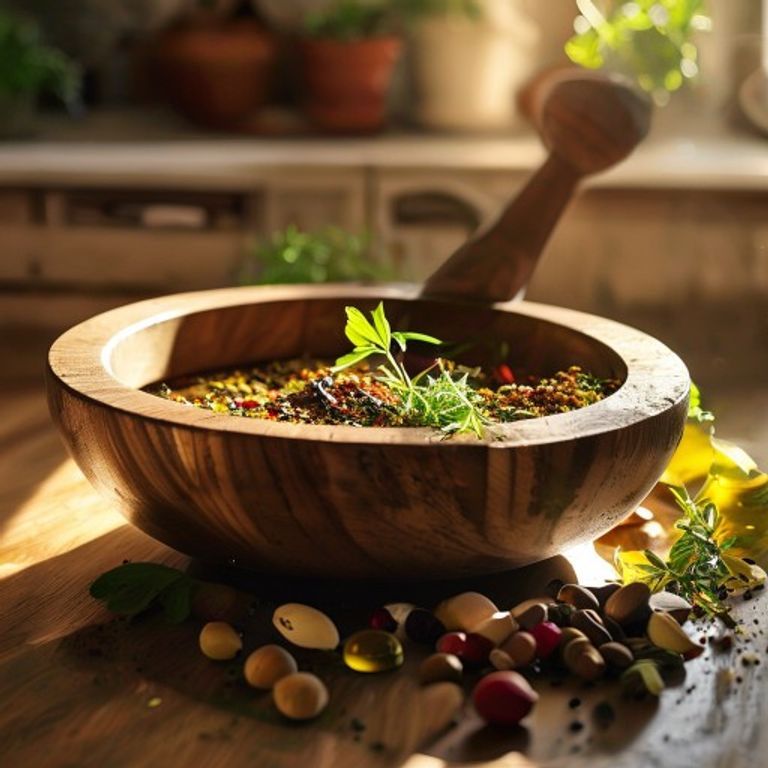
The Ultimate Guide to Mortar and Pestle Uses: From Kitchen Magic to Everyday Hacks

Introduction
When I first set foot in my grandma’s kitchen, the first thing that caught my eye was a sturdy stone mortar and pestle sitting proudly on the countertop. It looked like a relic from a culinary museum, yet it was the star of the show. Over the years I’ve discovered that this simple tool is far more than a nostalgic gadget – it’s a versatile workhorse for grinding, crushing, and blending, both in the kitchen and beyond. In this article I’ll walk you through the best uses for a mortar and pestle, share practical tips on how to use it for spices, and even sprinkle in a few unconventional everyday applications.
What Are Mortar and Pestle Used For?
At its core, a mortar and pestle is a pair of tools: the mortar (a bowl) holds the ingredients, while the pestle (a club‑like stick) applies pressure to break them down. The combination of crushing, grinding, and shearing creates textures that a food processor simply can’t replicate. Below are the most common and effective uses:
- Grinding spices – Freshly ground pepper, cumin, or coriander releases aromatic oils that are lost in pre‑ground packs.
- Crushing herbs – Basil, mint, and cilantro become a fragrant paste when bruised, perfect for sauces.
- Making pesto and sauces – The slow, controlled grinding keeps the basil bright and prevents it from turning black.
- Preparing pastes and marinades – Garlic, ginger, and chilies blend into a smooth base without turning mushy.
- Pharmaceutical and lab applications – Historically, apothecaries used mortars to grind medicines; today they’re still handy for small‑scale experiments.
Best Uses for Mortar and Pestle in Everyday Cooking
Here are a few go‑to scenarios where I reach for my mortar and pestle first:
1. Fresh Spice Blends
Combine whole peppercorns, mustard seeds, and dried chilies. A few firm twists with the pestle release a punchy flavor that elevates any dish. The key is to toast the spices lightly before grinding – it’s like giving them a quick warm‑up before a performance.
2. Classic Pesto
Layer fresh basil leaves, pine nuts, Parmesan, garlic, and olive oil in the mortar. Press and swirl the pestle in a circular motion. The result is a silky green sauce that tastes like a summer garden, not a plastic‑y blender blend.
3. Homemade Guacamole
Instead of mashing with a fork, I crush ripe avocados with a pinch of lime, sea salt, and minced jalapeño. The texture is chunkier yet cohesive – perfect for tacos.
4. Ayurvedic Remedies
Grinding turmeric, black pepper, and a dash of honey into a paste makes a potent anti‑inflammatory tonic. This is a nod to the tool’s essential guide to the chemistry beaker roots, where precise grinding mattered for medicine.
5. DIY Cleaning Powders
Mix baking soda, citric acid, and a few drops of essential oil. The fine powder can be used to scrub sinks or freshen carpets – a surprising but handy household hack.
How to Use Mortar and Pestle for Spices – Step by Step
Even if you’re a beginner, mastering the technique is easy:
- Choose the right size – A small mortar (3‑4 inches) works for a pinch of spices; a larger one (6‑8 inches) is better for sauces.
- Dry‑toast if needed – Heat whole spices in a pan for 1‑2 minutes to unlock flavors.
- Start with a gentle crush – Press the pestle down and roll it to break the seeds.
- Increase pressure gradually – Switch to a rocking motion to grind them into a fine powder.
- Scrape the sides – Use a spatula to gather any leftovers and repeat until uniform.
Pro tip: Add a few drops of oil or water when making pastes. The liquid acts like a lubricant, allowing the pestle to glide smoothly, much like how a practical ways we use test tubes in the lab to mix reagents safely.
Traditional Uses of Mortar and Pestle
Across cultures, this tool has deep roots:
- Mexican cuisine – Grinding chilies and spices for mole sauces.
- Indian cooking – Creating masala blends and pastes for curries.
- Mediterranean diets – Crushing olives and herbs for tapenades.
- Traditional medicine – Pulverizing herbs for teas and tinctures.
These time‑tested applications prove that the mortar and pestle is not just a kitchen gadget; it’s a cultural bridge connecting flavors across generations.
Everyday Uses Beyond Food
Believe it or not, the mortar and pestle can help with non‑culinary tasks:
- Cosmetics – Blend natural ingredients for face masks (e.g., charcoal, kaolin clay).
- Crafts – Grind pigments for homemade paints.
- Science projects – Create tiny batches of powders for school experiments, echoing the essential for quick and clean chemical reactions mindset.
Conclusion
Whether you’re a seasoned chef, a home‑cook looking for fresh flavors, or someone who loves a good DIY hack, the mortar and pestle is a must‑have. Its ability to unlock aromas, preserve color, and give you tactile control over texture makes it irreplaceable. Next time you reach for a pre‑ground spice jar, remember the simple stone bowl waiting to transform your meals – and maybe even your cleaning routine.
FAQ
Q: Can I use a metal mortar and pestle for acidic ingredients?
A: Yes, but be aware that metal can react with very acidic foods over time. Ceramic or stone are safer for long‑term use.
Q: How do I clean my mortar and pestle?
A: Rinse with warm water, scrub with a brush, and let it air dry. For lingering odors, grind a bit of coarse salt and rinse again.
Q: Is it okay to use the same mortar for spices and cosmetics?
A: Ideally keep separate ones to avoid cross‑contamination, especially if you have sensitive skin.
Q: What size mortar should I buy?
A: A 4‑inch bowl is perfect for daily spice work; a larger 6‑inch bowl is better for sauces and pastes.
Q: Can I grind coffee beans in a mortar?
A: You can, but the result will be coarser than a grinder. It’s great for a rustic French‑press style brew.