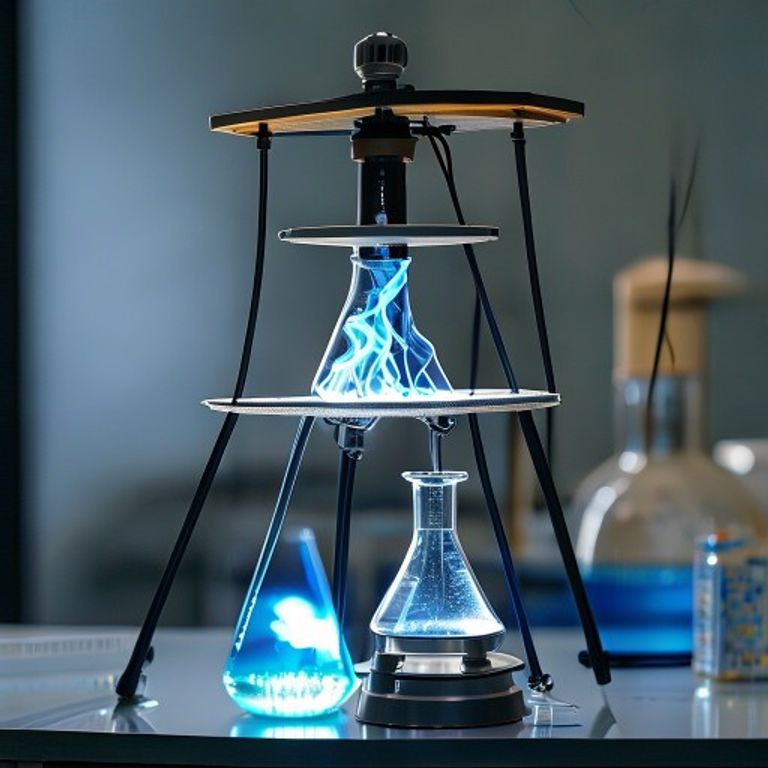
Practical Guide to Wire Gauze Uses in the Chemistry Lab

Introduction
When we set up a simple heating experiment, the first thing we often reach for is a piece of wire gauze. It may look like a humble metal mesh, but its role in a chemistry lab is anything but trivial. In this article, I’ll walk you through the most common wire gauze uses, how to pair it with a Bunsen burner, and the safety habits that keep our workstations flame‑free.
Why Wire Gauze Is a Lab Workhorse
Think of wire gauze as the “cushion” for your glassware. It distributes heat evenly and protects delicate containers from direct flame contact. Here are the core reasons we rely on it:
- Even heat distribution: The mesh spreads the flame’s energy, reducing hot spots that could crack a beaker.
- Support for round-bottom flasks and beakers: Its sturdy yet perforated surface gives a stable platform on a tripod stand.
- Versatility: Works with both open flames and electric hot plates.
What Is Wire Gauze Used for in a Chemistry Lab?
In everyday practice, we use wire gauze to:
- Heat liquids in beakers or Erlenmeyer flasks.
- Dry glassware by placing it over a gentle flame.
- Support crucibles during high‑temperature reactions.
If you’re curious about the best way to handle beakers while heating, check out our guide to beakers for tips on selecting the right size and material.
How to Use Wire Gauze with a Bunsen Burner
Pairing wire gauze with a Bunsen burner is almost second nature, but doing it right makes a big difference in safety and efficiency.
- Set up the tripod stand: Place the three legs on a stable bench surface.
- Position the wire gauze: Lay the gauze flat on the top ring of the tripod. Make sure it sits evenly; any tilt can cause the beaker to wobble.
- Light the Bunsen burner: Adjust the flame to a blue cone for clean heating.
- Place your glassware: Center the beaker on the gauze. The mesh will act like a tiny “bridge,” spreading the flame’s heat.
For a deeper dive into flame control, our essential Bunsen burner function article explains how to fine‑tune the air‑gas mix for different experiments.
Purpose of Wire Gauze with Ceramic Center
Some wire gauzes come with a ceramic disc in the middle. This addition serves two main purposes:
- Heat retention: The ceramic absorbs and slowly releases heat, giving a more uniform temperature.
- Flame protection: It acts as a barrier, preventing the flame from directly touching the metal mesh, which can extend the gauze’s lifespan.
Proper Placement on a Tripod Stand
Even though it sounds simple, the placement can affect experimental outcomes:
- Make sure the gauze covers the entire top ring—no gaps.
- If you’re using a ceramic‑center gauze, align the disc with the center of the ring for balanced heating.
- Avoid stacking multiple layers of gauze; one layer is sufficient for most tasks.
Safety Guidelines for Using Wire Gauze Over Flame
Safety is non‑negotiable. Follow these quick checks before you turn on the burner:
- Inspect the gauze: Look for tears, rust, or warped sections. A damaged mesh can collapse under weight.
- Secure the tripod: Ensure the legs are spread wide enough to prevent tipping.
- Use heat‑resistant gloves: When placing or removing glassware, protect your hands from sudden heat spikes.
- Never leave the flame unattended: Even a brief lapse can cause a fire if the gauze overheats.
- Keep a fire extinguisher nearby: Class B extinguishers are ideal for lab fires.
Conclusion
Wire gauze might be a small piece of equipment, but its impact on laboratory heating is huge. By understanding its uses, correctly positioning it on a tripod stand, and following simple safety steps, we can conduct experiments efficiently and safely. Next time you set up a Bunsen burner, give that mesh the respect it deserves—it’s the unsung hero that keeps our glassware from cracking and our results reliable.
FAQ
Can I use wire gauze on an electric hot plate?
Yes, the mesh works on electric hot plates, but make sure the plate’s surface is clean and the gauze is flat to avoid uneven heating.
Is the ceramic center necessary for all experiments?
No. For low‑temperature work, a plain wire gauze is sufficient. The ceramic disc shines when you need steady, moderate heat.
What should I do if the wire gauze starts to warp?
Replace it immediately. Warped gauze can cause the glassware to tip and may lead to spills or breakage.
How often should I clean my wire gauze?
After each use, wipe it with a dry cloth. If there’s residue, a gentle brush with a mild detergent followed by thorough drying will keep it in good shape.
Can I stack multiple pieces of gauze for extra support?
Generally, one layer is enough. Stacking can trap heat and increase the risk of overheating your glassware.