The Complete Guide to Pipettes: How They Work, Types, and Why Every Lab Needs One

Introduction
When we step into a laboratory, one of the first tools we reach for is the pipette. Whether you’re measuring a few drops of enzyme solution or transferring microliters of DNA sample, the pipette is the unsung hero that makes precise liquid handling possible. In this article, I’ll walk you through what a pipette is used for, how it works, the different types you’ll encounter, and why it’s so vital in any scientific setting.
What Is a Pipette and What Is It Used For?
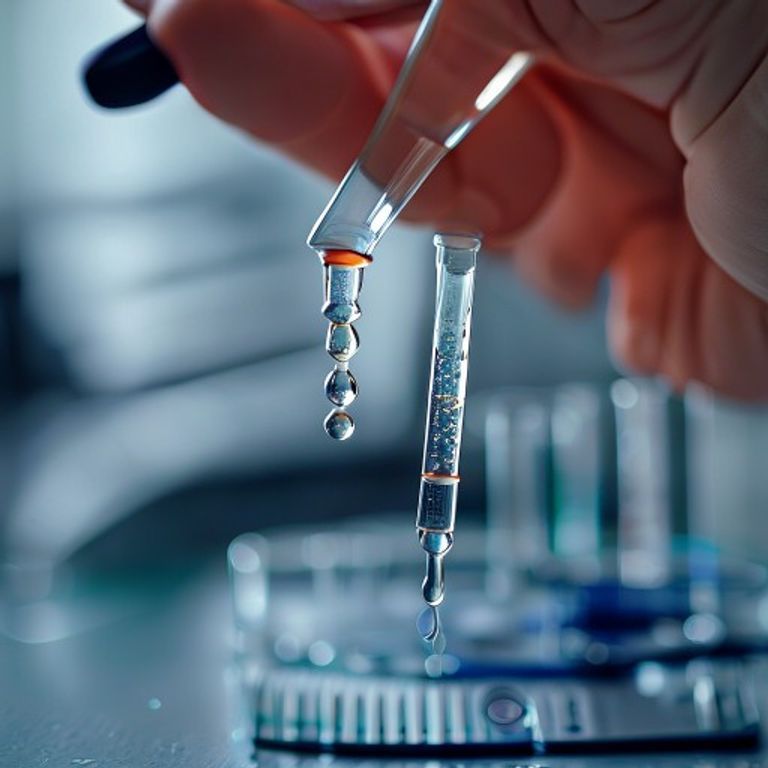
A pipette is a laboratory instrument designed for accurate liquid transfer and volumetric measurement. Think of it as the “digital ruler” for fluids – it lets you measure and move exact amounts, from a single drop to several milliliters. Common applications include:
- Preparing reagents and standards
- Setting up PCR reactions
- Conducting titrations
- Sampling in environmental analysis
In short, if you need to move a specific volume of liquid without waste or error, a pipette is your go‑to tool.
How Does a Pipette Work?
The basic principle is simple: a piston creates a vacuum that draws liquid into a disposable tip, and then the piston pushes the liquid out. Here’s a quick analogy – imagine a syringe used for medicine. When you pull the plunger back, a vacuum forms and draws fluid in; push it forward, and the fluid is expelled. Modern pipettes automate this process with fine‑tuned mechanics, giving us repeatable accuracy down to the nanoliter.
Key steps:
- Set the volume: Turn the dial or select the preset on a digital model.
- Attach a tip: Disposable tips prevent cross‑contamination.
- Press the plunger to the first stop: This creates the vacuum and draws the liquid up.
- Dispense by pressing to the second stop: The extra push ensures the full volume is expelled.
Different Types of Pipettes Explained
Not all pipettes are created equal. Depending on the volume range and precision you need, you’ll choose one of the following:
Micropipettes
These are the most common in molecular biology labs. They cover ranges from 0.1 µL to 1000 µL and come in two main styles:
- Adjustable micropipettes: You can dial any volume within the instrument’s range.
- Fixed‑volume micropipettes: Pre‑set for a single volume, ideal for high‑throughput work.
Pasteur Pipettes
Simple glass or plastic tubes with a rubber bulb. They’re great for non‑critical transfers where exact volume isn’t essential, like adding a few drops of stain.
Graduated Pipettes
These have measurement markings along the shaft. You draw liquid to a specific mark and then dispense. They’re often used in chemistry labs for medium‑range volumes (1 mL–100 mL).
Electronic Pipettes
Powered by batteries, they automate the aspiration and dispense steps, reducing repetitive strain and improving consistency. Some models even let you program multiple dispense steps.
Why Pipettes Are Essential in Laboratories
Accuracy and reproducibility are the backbone of scientific research. A slight deviation in volume can skew results, especially in assays like ELISA or qPCR. Here’s why pipettes matter:
- Precision: They deliver volumes with < 1% error, crucial for quantitative work.
- Speed: You can transfer dozens of samples per minute, boosting productivity.
- Safety: Using disposable tips prevents cross‑contamination and exposure to hazardous substances.
- Versatility: From chemistry to biology, pipettes adapt to any liquid handling need.
Think of a lab without pipettes as a kitchen without measuring spoons – you could still cook, but the results would be unpredictable.
Maintaining Accuracy: Tips for Proper Pipette Use
Even the best pipette can give faulty readings if not cared for. Here are some practical habits:
- Always use the correct tip size for the volume range.
- Pre‑wet the tip by aspirating and dispensing the liquid once before the actual measurement.
- Avoid rapid plunger movements; smooth, consistent pressure yields better accuracy.
- Calibrate regularly – most labs follow a weekly or monthly schedule.
- Store pipettes vertically with the tip ejection button facing up to prevent tip damage.
Related Lab Equipment You Might Already Own
If you’re setting up a bench, you’ll likely have other essential tools nearby. For instance, understanding what is a beaker helps you choose the right container for bulk liquids before you aliquot them with a pipette. Likewise, keeping crucible tongs handy ensures safe handling of hot vessels that may later be used for sample preparation.
Conclusion
From the humble Pasteur pipette to sophisticated electronic models, pipettes are the workhorses of modern laboratories. Knowing how they function, which type fits your experiment, and how to maintain them ensures that your data remain reliable and your workflow efficient. Next time you pick up a pipette, remember that you’re wielding a precision instrument that bridges the gap between theory and reproducible results.
FAQ
Q: Can I use a micropipette for viscous liquids?
A: Yes, but choose a tip with a larger orifice and set the pipette to a slower aspiration speed to avoid bubbles.
Q: How often should I calibrate my pipettes?
A: At least once a month for routine work, or before critical experiments. Some labs use a weekly schedule for high‑throughput settings.
Q: What’s the difference between the first and second stop on the plunger?
A: The first stop draws the set volume into the tip; the second stop expels the entire volume, ensuring complete dispense.
Q: Are disposable tips reusable?
A: No. Reusing tips defeats the purpose of preventing cross‑contamination and can introduce errors.
Q: Which pipette type is best for transferring 5 µL repeatedly?
A: A fixed‑volume micropipette set at 5 µL is ideal for speed and consistency.