

The Essential Uses of a Tripod Stand in the Laboratory: Support, Heating & Safety

Introduction
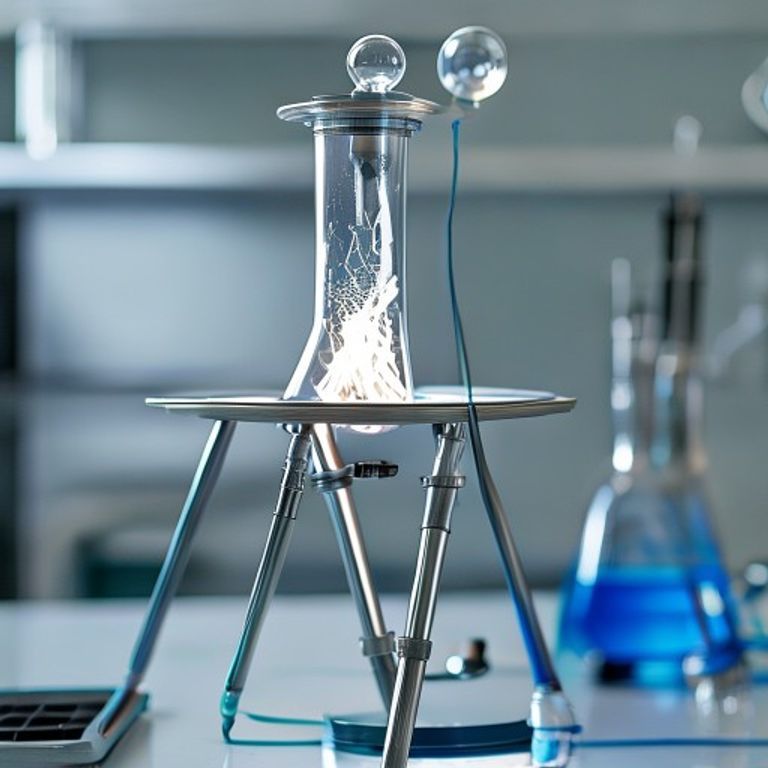
When we step into a chemistry lab, the first thing we notice isn’t the Bunsen burner or the beakers, but the humble tripod stand sitting quietly in the corner. It may look simple, but this three‑legged workhorse is indispensable for a wide range of experiments. In this article, I’ll walk you through the two main uses of a tripod stand, show you how to set it up for heating tasks, and explain why it’s a must‑have for supporting glassware safely.
Two Main Uses of a Tripod Stand in a Chemistry Lab
Broadly speaking, a tripod stand serves two core functions:
- Support for laboratory apparatus – It holds items like wire gauze, crucibles, and flasks at a comfortable working height.
- Platform for heating experiments – Paired with a Bunsen burner, it creates a stable base for direct or indirect heating.
Both roles are crucial for maintaining accuracy and safety during experiments.
How to Use a Tripod Stand for Heating Experiments
Heating is where the tripod truly shines. Here’s a step‑by‑step guide that I use every time I need to warm a solution or melt a solid:
- Assemble the stand: Spread the three legs evenly on a flat surface. Make sure each leg is fully opened to avoid wobbling.
- Place a wire gauze on top: The gauze distributes heat evenly and protects the tripod from direct flame. For a deeper dive into why wire gauze is essential, check out the unsung hero of wire gauze in your lab.
- Set your glassware: Position a beaker, crucible, or flask on the gauze. Make sure the item is stable and the opening faces upward.
- Ignite the Bunsen burner: Light the burner and adjust the flame to the desired intensity. Keep the flame under the center of the gauze for uniform heating.
- Monitor the experiment: Never leave a heating setup unattended. Adjust the tripod height if needed by sliding the legs.
Following these steps ensures a controlled heating environment, reduces the risk of breakage, and improves reproducibility.
Supporting Laboratory Glassware with a Tripod Stand
Not every experiment requires heat. Often, we need a steady platform to hold delicate glassware while we work on other parts of the setup. The tripod’s three‑leg design distributes weight evenly, preventing tipping. Here’s how I typically use it for support:
- Crucible heating: Place a crucible on a piece of wire gauze, then set the tripod over a Bunsen burner for indirect heating.
- Holding a beaker during titration: Position the beaker on the tripod to keep it at eye level, freeing your hands for the burette.
- Supporting a condenser: When running a simple reflux, the tripod can hold the condenser in place while the heating mantle does the work.
If you’re curious about the different types of beakers and their specific uses, the article what is a beaker? your complete guide to uses, types, and lab basics offers a thorough overview.
Primary Functions of a Tripod in a Science Classroom
Beyond the research lab, the tripod is a staple in high school science classrooms. Its primary functions there include:
- Providing a safe, adjustable height for demonstrations.
- Teaching students the basics of heat transfer and safety protocols.
- Allowing quick setup and takedown for multiple experiments in a single class period.
Students quickly learn that a stable platform is the foundation of any successful experiment, reinforcing good lab habits early on.
Additional Applications: Support and Heating Combined
Sometimes we need both support and heating simultaneously. A classic example is the preparation of a precipitate where you heat a solution in a beaker while keeping it stable on the tripod. By placing a wire gauze between the flame and the beaker, you protect the tripod from direct heat and ensure even temperature distribution.
For those interested in mastering flame control, the guide master the flame: your essential guide to safe Bunsen burner usage in the lab provides essential tips on flame adjustment and safety.
Conclusion
The tripod stand may not be the flashiest piece of laboratory apparatus, but its versatility makes it a true unsung hero. Whether you’re supporting glassware, heating chemicals, or teaching fundamentals in a classroom, the tripod offers stability, safety, and simplicity. By mastering its proper use, you’ll enhance the reliability of your experiments and keep your lab work smooth and secure.
FAQ
Q: Can I use a tripod stand without wire gauze for heating?
A: It’s possible, but not recommended. The gauze spreads heat evenly and protects the tripod legs from direct flame, reducing the chance of damage.
Q: How high should the tripod be set for most heating tasks?
A: Aim for a height that places the flame just below the bottom of the glassware, typically 2‑3 inches above the gauze. Adjust as needed for larger vessels.
Q: Are there any materials I should avoid placing on a tripod?
A: Avoid heavy metal containers that exceed the tripod’s weight rating, and never place flammable liquids directly on the tripod without a proper holder.
Q: How do I clean a tripod after use?
A: Wipe the legs with a damp cloth to remove spills, and check the joints for any residue. Store it in a dry place to prevent rust.
Q: Can a tripod be used for non‑heating experiments?
A: Absolutely. It’s great for supporting beakers during titrations, holding crucibles for cooling, or even as a stand for demonstration models.