


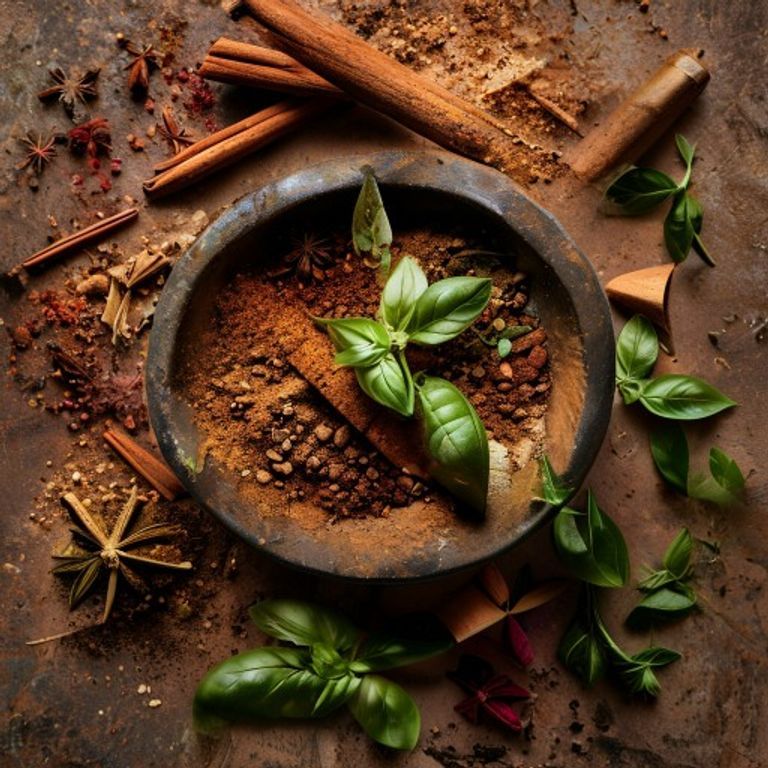
Unlock Flavor: Your Essential Guide to Choosing and Mastering the Mortar and Pestle

Have you ever wondered what makes certain dishes taste incredibly fresh, vibrant, and deeply aromatic? Often, it’s not just the ingredients, but how they are prepared. That’s where our humble, yet mighty, friend comes in: the mortar and pestle. This ancient grinding tool isn’t just a relic of the past; it’s a vital piece of kitchen equipment that can elevate your cooking to new heights. Forget about electric blenders that pulverize ingredients into a uniform paste; the mortar and pestle respects the unique textures and releases flavors in a way no machine can.
For us, cooking is an act of love, and using a mortar and pestle connects us directly to our ingredients. It’s a sensory experience – the rhythmic thud, the growing aroma, the satisfying transformation of whole spices into a fragrant powder or fresh herbs into a vibrant paste. In this guide, we’ll explore why this traditional kitchen tool is still incredibly relevant today, help you choose the best one for your needs, and share practical tips on how to use it like a pro.
The Enduring Charm of Traditional Grinding Tools
When we talk about grinding tools kitchen, the mortar and pestle stands out for its timeless appeal. It’s been around for thousands of years, a testament to its effectiveness. From ancient Egyptian kitchens crushing grains to traditional Asian households preparing curry pastes, this tool has facilitated culinary magic across cultures. Why do we still love it in our modern kitchens, with all our fancy gadgets?
- Unrivaled Flavor Release: When you use a mortar and pestle, you’re not just chopping or blending; you’re *crushing* and *shearing* ingredients. This action breaks down cell walls more effectively, releasing essential oils and volatile compounds that create a more intense and complex flavor profile. Think about freshly crushed garlic versus finely chopped garlic – the difference is astounding!
- Texture Control: Unlike a blender, which often creates a uniform puree, a mortar and pestle allows you to control the texture. You can go from coarsely crushed to a fine powder, or from a rough paste to a silky smooth one, all with your own hands. This control is crucial for dishes like pesto or curry pastes where texture is key.
- A Connection to Cooking: There’s something incredibly satisfying about the tactile process. It forces us to slow down, be present, and engage with our food on a deeper level. It’s a small, meditative ritual that enhances the overall cooking experience.
Choosing Your Perfect Grinding Companion: Material Matters
Just like choosing the right knife, selecting the perfect mortar and pestle depends on what you plan to use it for. There are several popular materials, and each has its unique advantages. Let’s explore some options in our mortar and pestle material comparison:
- Granite: This is arguably the king of mortars and pestles. Granite is heavy, non-porous, and incredibly durable. Its rough surface provides excellent friction, making it ideal for grinding tough spices, making pesto, or even creating a smooth curry paste. If you’re serious about grinding, a heavy granite mortar and pestle is a fantastic investment.
- Marble: Beautiful and elegant, marble mortars and pestles are often smoother than granite. They are great for crushing delicate herbs, making dressings, or preparing medicinal compounds. However, their smoother surface might require a bit more effort for very tough spices.
- Stainless Steel Mortar and Pestle Set: A modern and hygienic choice. Stainless steel is non-porous, easy to clean, and doesn’t absorb odors. It’s excellent for grinding small quantities of spices or crushing pills. We find it very practical for everyday light grinding tasks.
- Ceramic Mortar and Pestle for Spices: These are often glazed on the outside and unglazed on the inside, providing a good grinding surface. Ceramic is non-reactive, making it suitable for a wide range of ingredients, especially those that might stain or react with other materials. They are lighter than stone options but can be fragile.
- Large Wooden Mortar and Pestle for Herbs: Traditional and charming, wooden mortars are often used in specific cuisines (like Mexican molcajetes or Thai mortars). They are gentler on ingredients and are perfect for crushing fresh herbs, making guacamoles, or preparing softer pastes. Keep in mind they can absorb odors and require careful cleaning and seasoning.
When choosing, also consider the size and weight. A heavier mortar stays put, making grinding easier, and a larger one gives you more room to work, especially for bigger batches or bulky items.
Beyond the Basics: Traditional Mortar and Pestle Uses
The mortar and pestle is truly a versatile tool. It’s not just for spices! Here are some of our favorite traditional mortar and pestle uses:
- Grinding Spices: This is probably its most common use. We love grinding whole peppercorns, cumin, coriander, and star anise to release their full aroma just before cooking.
- Making Pastes: Imagine fresh, vibrant pesto, or a fragrant Thai curry paste, all made from scratch. The mortar and pestle is your best friend here, creating textures and flavors unmatched by food processors.
- Crushing Garlic and Ginger: A quick crush of garlic with a pinch of salt creates a beautiful, aromatic paste perfect for sautés or marinades.
- Best Mortar and Pestle for Grinding Coffee Beans: While not for large batches, if you want freshly ground coffee for a single cup or prefer a coarser grind for French press, a mortar and pestle can deliver exceptional results, preserving more of the coffee’s delicate oils.
- Emulsifying Dressings: Whisking can only do so much. For a truly emulsified aioli or a creamy Caesar dressing, pounding and stirring with a pestle creates a stable, rich texture.
- Preparing Herbs: Whether it’s bruising mint for a mojito or crushing fresh rosemary and thyme for a rub, it unlocks incredible aromas. This makes it an ideal herb crushing equipment.
- Crushing Pills: For those who need to take medication in powder form, a small mortar and pestle is a very practical tool.
Mastering the Art: Tips for Effective Grinding
Using a mortar and pestle isn’t complicated, but a few techniques can make a big difference:
- Start Small: Don’t overload your mortar. It’s better to work in smaller batches to achieve a consistent grind.
- Pound, Then Twist: For most ingredients, especially tough ones like whole spices, start by pounding them down gently to break them apart. Once they’re a bit shattered, switch to a circular, grinding, and twisting motion to achieve your desired consistency.
- Use the Pestle’s Full Surface: Don’t just use the tip. Utilize the broad surface of the pestle to press and shear the ingredients against the mortar’s interior.
- Stabilize Your Mortar: If your mortar tends to slide, place a damp cloth or a non-slip mat underneath it.
Keeping It Clean: How to Clean a Mortar and Pestle
Proper cleaning ensures your mortar and pestle lasts a lifetime and doesn’t transfer flavors. Here’s what we recommend:
- For Non-Porous Materials (Granite, Marble, Stainless Steel, Glazed Ceramic):
- Wash with warm water and a mild dish soap.
- Use a brush to scrub the interior, especially if it’s textured.
- Rinse thoroughly and dry completely to prevent water spots, especially on stone.
- For Porous Materials (Unsealed Stone, Wood):
- Initial Seasoning (Stone): For a new unsealed stone mortar (like granite), we recommend seasoning it first. Grind a handful of white rice until it’s a fine powder, discard, then repeat with a few garlic cloves and a pinch of salt/pepper. This removes any loose grit and imparts a neutral, clean surface.
- After Each Use: Rinse with warm water and use a stiff brush to remove any stuck-on bits.
- Avoid Soap: For wooden and unsealed stone mortars, avoid soap as it can be absorbed and leave a taste. If absolutely necessary, use a tiny amount of very mild soap and rinse meticulously.
- Air Dry Completely: Ensure it’s fully dry before storing to prevent mildew or cracking (for wood).
Conclusion
In a world full of shortcuts, the mortar and pestle reminds us of the joy of slowing down and truly connecting with our food. It’s more than just a tool; it’s an experience that brings out the best in our ingredients, enhancing flavors and aromas in a way that modern appliances often miss. So, whether you’re crushing garlic, grinding fresh spices, or making a vibrant pesto, we encourage you to embrace this timeless culinary companion. Your taste buds (and your kitchen) will thank you!
FAQs
- What is the difference between a mortar and a pestle?
The mortar is the bowl-shaped vessel, and the pestle is the club-shaped tool used to pound and grind ingredients within the mortar.
- Can I grind wet ingredients in a mortar and pestle?
Absolutely! Mortars and pestles are excellent for making wet pastes like pesto, curry paste, and guacamole. Just be careful not to overfill, and use a combination of pounding and stirring motions.
- How do I season a new granite mortar and pestle?
First, rinse it with water. Then, grind a handful of plain white rice until it turns into a fine grey powder, which helps remove any stone dust. Discard and repeat with fresh rice until it stays white. Finally, grind a few garlic cloves with some cumin seeds and salt to further ‘season’ it and remove any remaining grit. Rinse well and dry.
- Is granite better than marble for a mortar and pestle?
It depends on your primary use! Granite’s rougher texture is generally better for heavy-duty grinding of tough spices and making pastes that require a lot of friction. Marble, being smoother, is often preferred for more delicate tasks like crushing herbs or making dressings, where less aggressive grinding is needed.