The Essential Guide to Wire Gauze Uses in the Laboratory

Introduction
When you walk into a chemistry lab, the first thing you’ll notice is the array of glassware, burners, and that humble metal mesh perched on a tripod. That mesh is the wire gauze, and despite its simple appearance, it plays a starring role in keeping experiments safe and effective. In this article, I’ll walk you through the most common wire gauze uses, explain why it’s a must‑have for heating, and share practical tips on how to get the best results every time.
Why Wire Gauze Is a Lab Workhorse
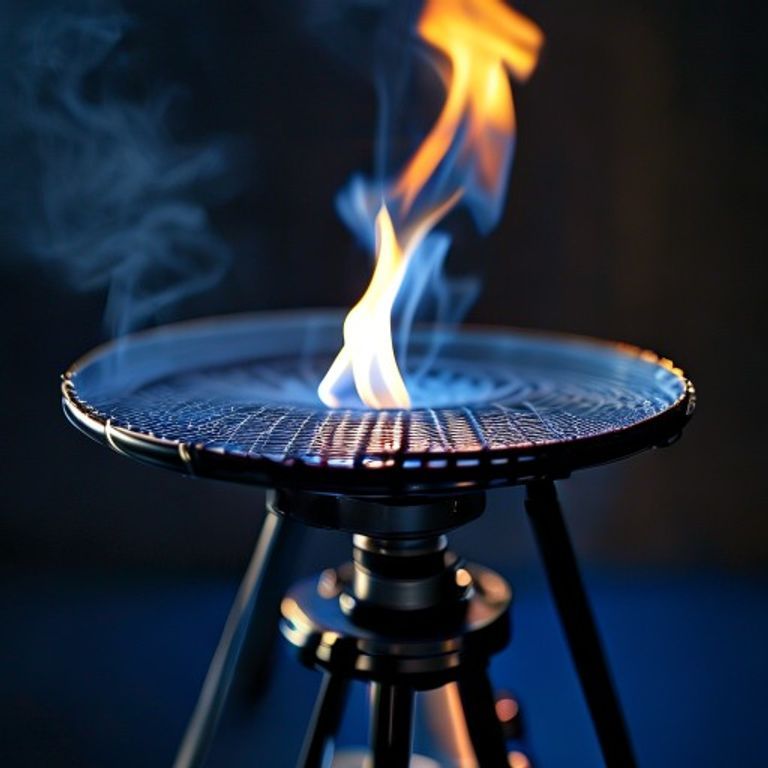
Think of wire gauze as the “cushion” between a Bunsen burner flame and delicate glassware. Its main job is to spread heat evenly, preventing hot spots that could crack a beaker or flask. The gauze usually has a ceramic center—often called a “ceramic disc”—that acts like a heat‑distribution plate, while the metal grid provides structural support.
1. Heat Distribution for Even Cooking
- Even heating: The ceramic center spreads the flame’s energy across the whole surface of the glassware, much like a pizza stone distributes heat in an oven.
- Preventing thermal shock: By moderating the temperature rise, the gauze reduces the risk of sudden temperature changes that could shatter the glass.
2. Supporting Glassware on a Tripod
When you need to heat a beaker, Erlenmeyer flask, or even a test tube, placing the container directly on the flame is a recipe for disaster. The wire gauze sits on the tripod stand, creating a stable platform that holds the glassware securely while allowing heat to pass through. This setup is especially useful for:
- Boiling liquids gently without splashing.
- Conducting reflux reactions where a steady temperature is crucial.
- Drying glassware after washing.
3. Protecting Sensitive Equipment
If you’re working with delicate instruments such as a pipette or a precision balance, the gauze can act as a barrier that shields them from direct flame exposure while still allowing you to warm up nearby solutions.
4. Versatile Uses Beyond Heating
While heating is the headline act, wire gauze can also be used for:
- Providing a non‑slippery surface for weighing solids on a balance.
- Supporting a scientific spatula when stirring hot mixtures.
- Serving as a temporary holder for a test tube during quick heating steps.
How to Use Wire Gauze with a Bunsen Burner – Step by Step
- Set up the tripod: Place the three legs on a stable bench surface.
- Place the gauze: Center the wire gauze on the tripod’s top ring. Make sure the ceramic disc is facing up.
- Position your glassware: Gently set the beaker or flask on the gauze. The container should sit flat without wobbling.
- Light the Bunsen burner: Adjust the flame to a blue cone for consistent heat.
- Monitor the temperature: Use a thermometer or watch the solution’s behavior. Adjust the flame as needed.
Practical Tips for Optimal Performance
- Check for damage: Inspect the gauze for broken wires or cracked ceramic before each use.
- Keep it clean: Residue can act as an insulator, reducing heat transfer.
- Match the size: Use a gauze that slightly exceeds the diameter of your glassware for stability.
- Never leave unattended: The combination of flame and hot glass can become hazardous quickly.
FAQ
What is wire gauze used for in a lab?
It’s primarily used to provide an even heating surface, protect glassware from direct flame, and support containers on a tripod.
Can I use wire gauze without a ceramic center?
Yes, but heat distribution will be less uniform, increasing the risk of hot spots.
Is wire gauze reusable?
Absolutely, as long as it’s free from cracks, corrosion, or heavy carbon buildup.
How does wire gauze differ from a metal screen?
A metal screen lacks the ceramic disc, so it doesn’t spread heat as evenly and is more suitable for quick, high‑temperature tasks.
What safety precautions should I follow?
Always wear heat‑resistant gloves, use tongs for moving hot glassware, and ensure the flame is properly adjusted before heating.
Conclusion
Wire gauze may seem like a modest piece of equipment, but its role in laboratory heating is anything but minor. By providing even heat distribution, protecting delicate glassware, and offering a stable platform on a tripod, it helps us conduct experiments safely and efficiently. Next time you set up a Bunsen burner, give a nod to that little mesh—it’s the unsung hero keeping your chemistry clean and controlled.