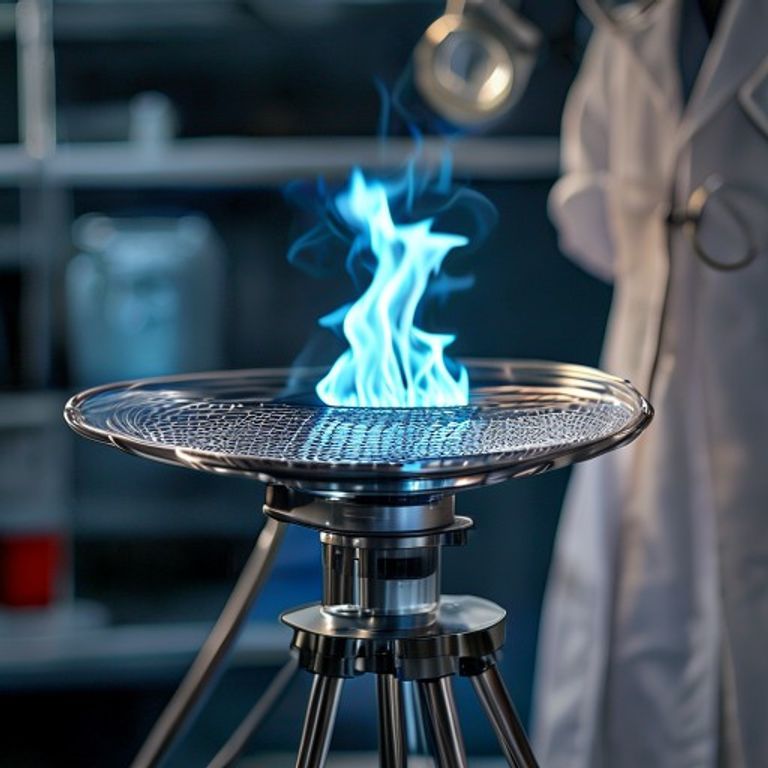
Unleashing the Power of Wire Gauze: Practical Uses in the Chemistry Lab

Introduction
When we step into a chemistry lab, the first thing we often notice is the humble wire gauze sitting on a tripod stand, ready to support a Bunsen burner. It might look simple, but this metal mesh plays a crucial role in safe and efficient heating. In this article, I’ll walk you through the most common uses of wire gauze, share practical tips on how to use it correctly, and answer some frequent questions that pop up during experiments.
Why Wire Gauze Is a Lab Essential
Think of wire gauze as the “cushion” for your glassware. Just like a rubber mat protects a laptop from scratches, the gauze distributes heat evenly and prevents direct flame contact that could crack delicate glass. This simple piece of equipment helps us achieve three main goals:
- Even heat distribution: The mesh spreads the flame’s energy over a larger area, reducing hot spots.
- Protection of glassware: It acts as a barrier between the open flame and the bottom of beakers, flasks, or crucibles.
- Stability: Placed on a tripod stand, it provides a flat, sturdy surface for various containers.
Key Uses of Wire Gauze in the Lab
1. Supporting a Bunsen Burner
The most classic use is pairing wire gauze with a Bunsen burner. By placing the gauze on a tripod stand, we create a safe platform that spreads the flame’s heat. This setup is ideal for gentle heating, such as when we need to warm a solution without boiling it away.
2. Heating Glassware Directly
When you need to heat a beaker, flask, or crucible, you place the container on the gauze. The mesh acts like a “heat diffuser,” similar to how a pizza stone spreads oven heat evenly across the crust. This prevents the glass from experiencing sudden temperature changes that could cause thermal shock.
3. Acting as a Support for Tripod Stands
Wire gauze often sits on a tripod stand, turning the three‑legged structure into a versatile workbench. If you’re curious about creative ways to use a tripod, check out the top 7 tripod stand uses for inspiration.
4. Providing a Base for Small Crucibles
Crucibles used for melting solids can be placed directly on the gauze. The mesh’s open design allows hot air to circulate around the crucible, ensuring uniform heating—a bit like how a grill’s grates let heat flow through the food.
5. Enhancing Safety During Evaporation
When evaporating solvents, the gauze helps keep the beaker stable and prevents direct flame contact, reducing the risk of fire. It also catches any accidental spills, acting as a secondary containment.
How to Use Wire Gauze Correctly
Even though wire gauze is straightforward, a few best practices can make a big difference:
- Check for damage: Look for bent wires or rust. A compromised gauze can cause uneven heating.
- Place it on a stable tripod: Ensure the tripod legs are evenly spaced and the stand is on a flat surface.
- Center your glassware: Position the beaker or flask in the middle of the mesh to get the most even heat.
- Use a ceramic or metal support if needed: For very heavy crucibles, add a small metal ring on top of the gauze for extra stability.
- Never place the gauze directly on a flame: Always keep the Bunsen burner underneath the gauze, not on top of it.
Why Is Wire Gauze Placed Under a Beaker?
Placing wire gauze under a beaker isn’t just tradition—it’s science. The mesh spreads the flame’s heat, reducing the chance of a “hot spot” that could cause the glass to crack. Imagine trying to toast a slice of bread on a single point of a stove; the bread would burn in one spot while staying raw elsewhere. Wire gauze prevents that uneven heating, giving you a smoother, safer heating experience.
FAQ
What is wire gauze used for in a lab?
It’s mainly used to support glassware over a Bunsen burner, distribute heat evenly, and protect containers from direct flame.
Can I use wire gauze without a tripod stand?
While you can place it on a flat metal surface, using a tripod ensures stability and proper height adjustment for the flame.
How often should I replace wire gauze?
Inspect it before each use. If you notice rust, bent wires, or holes, replace it immediately—usually every few months in a busy lab.
Is wire gauze safe for heating plastic containers?
No. Plastic can melt or release toxic fumes. Stick to glass or metal containers when using a Bunsen burner.
What’s the difference between wire gauze and a ceramic fiber pad?
Ceramic pads can withstand higher temperatures and are lighter, but wire gauze is more durable for everyday heating and offers better airflow.
Conclusion
Wire gauze may look like a simple piece of metal mesh, but its role in the laboratory is anything but trivial. From protecting glassware to ensuring even heat distribution, it’s a small tool that makes a big impact on safety and experiment quality. By following the practical tips above, you’ll get the most out of your wire gauze and keep your lab work smooth and secure. And next time you set up a Bunsen burner, remember: the gauze is your silent partner, working behind the scenes to make the chemistry happen.