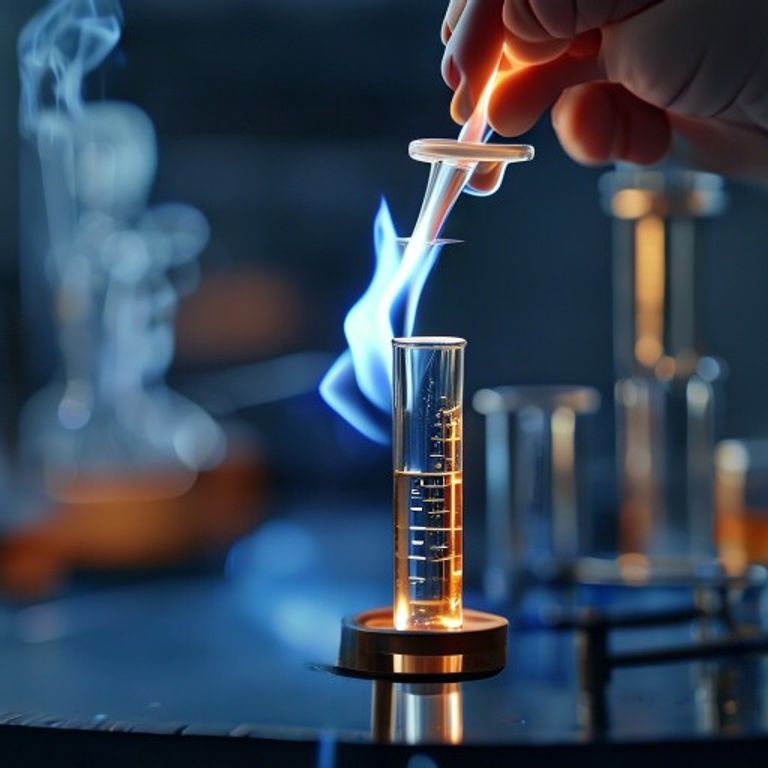
Mastering Lab Safety: Unveiling the Essential Functions of a Test Tube Holder

In the bustling world of a chemistry lab, where precision meets potential hazards, it’s easy to overlook the simplest yet most crucial tools. Among these unsung heroes is the humble test tube holder. When we think about lab safety equipment, our minds might jump to goggles or fume hoods, but believe me, understanding the primary functions of a test tube holder is just as vital. It’s not just a fancy clip; it’s a fundamental piece of safety gear and an enabler of accurate experiments. Let’s dive deep into why this small tool makes such a big difference in our everyday laboratory procedures.
A Lifesaver for Safe Handling: What Are the Functions of a Test Tube Holder?
Imagine holding a hot test tube directly with your bare hand – ouch! This is where the test tube holder truly shines. Its most immediate and obvious function is to provide a safe way to grip and manipulate test tubes. Whether the tube contains hazardous chemicals, is extremely hot or cold, or simply needs to be kept free from contamination, the holder acts as an extension of our hand, protecting us from direct contact. This is paramount for preventing burns, chemical spills, and even minimizing the risk of breakage, which could lead to further hazards. Essentially, it helps us maintain a crucial physical barrier between ourselves and potentially dangerous substances or temperatures.
Heating with Confidence: Why is a Test Tube Holder Important for Heating?
When it comes to heating chemicals in a test tube, the holder transforms from a simple gripper into an indispensable safety device. Without it, safely heating a liquid in a test tube over a Bunsen burner would be incredibly challenging, if not impossible. The holder allows us to:
- Maintain Distance: Keep our hands and face a safe distance from the flame and any spluttering contents.
- Control the Angle: Tilt the test tube properly (usually at a 45-degree angle) to ensure even heating and prevent superheating, which can cause the liquid to suddenly boil out of the tube.
- Move Freely: Constantly move the test tube back and forth through the flame, distributing heat evenly across the glass, preventing localized overheating and potential cracking.
This controlled heating is vital for many chemistry experiments, ensuring both safety and the integrity of our results. It’s a prime example of how simple scientific tools enhance our capability to handle demanding tasks involving heating chemicals.
Precision and Control: Benefits of a Test Tube Holder in Chemistry Experiments
Beyond safety, the test tube holder offers significant benefits for precision and control in our chemistry experiments. When we’re mixing two solutions, observing a reaction, or transferring a small volume of liquid, steady hands are crucial. The holder provides that stability, allowing us to:
- Prevent Spills: Keep the test tube steady during transfers or when adding reagents drop by drop.
- Facilitate Mixing: Gently agitate or swirl the contents without direct contact, ensuring thorough mixing. For more complex mixing needs, you might want to explore resources like your ultimate lab mixing guide.
- Observe Reactions: Hold the tube at eye level to closely monitor changes, such as color shifts, precipitate formation, or gas evolution, without obstructing our view or risking exposure.
These aspects highlight how a test tube holder isn’t just about avoiding accidents, but also about enabling more accurate and effective experimental work.
Beyond Heating: Purpose of Using a Test Tube Holder in the Lab
While heating is a prominent use case, the test tube holder’s utility extends to various other laboratory procedures. We often use it for:
- Transporting: Safely moving test tubes from one workstation to another, especially when they contain volatile or corrosive substances.
- Holding During Reactions: Acting as a stable stand during reactions that don’t require heating but might produce gas or other changes that need careful observation without us having to constantly hold the tube.
- Drying: Holding an inverted test tube for air drying after washing, preventing contamination from surfaces.
It’s a versatile piece of glassware handling equipment, making our lab tasks smoother and safer across the board.
How to Safely Handle Test Tubes with a Holder
Using a test tube holder correctly is simple, but crucial:
- Select the Right Grip: Ensure the holder grips the test tube firmly but not so tightly that it could crack the glass. It should be placed towards the top of the tube, but below the rim.
- Maintain Control: Always hold the test tube holder firmly in your hand. Never leave a test tube suspended in a holder unsupervised, especially if it’s hot or contains reactive chemicals.
- Angle Away: When heating or mixing, always point the open end of the test tube away from yourself and others to prevent accidental splashes or ejections of contents.
- Practice Patience: Allow hot test tubes to cool down in a test tube rack before attempting to remove them from the holder or handling them directly.
FAQ: Your Burning Questions About Test Tube Holders
Q: Can I use a test tube holder to hold other lab equipment?
A: While its primary design is for test tubes, it can sometimes be used to temporarily hold very small flasks or other narrow-necked glassware if they fit securely. However, it’s always best to use equipment designed for that specific purpose for safety and stability.
Q: Are all test tube holders made of the same material?
A: Most commonly, they are made of metal (like brass or nickel-plated steel) or wood. Wooden holders are often preferred for heating applications as wood is a poor conductor of heat, keeping your hand cooler. Metal ones are durable and often used for general handling.
Q: Why shouldn’t I hold the test tube near the bottom with the holder?
A: Holding the test tube too close to the bottom, especially during heating, means you’re holding it in the region that gets hottest. This can weaken the grip of the holder as the glass expands, and it also puts your hand closer to the heat source. Holding it closer to the top allows for better leverage and keeps your hand further from the heat.
Conclusion
So, the next time you step into the lab, take a moment to appreciate the unassuming test tube holder. It’s far more than just a simple clamp; it’s a critical piece of lab essentials, acting as our guardian against hazards, our steady hand for precision, and an indispensable partner in myriad scientific experiments. Understanding the multifaceted functions of a test tube holder is a foundational step towards becoming a more responsible, efficient, and above all, safe scientist. Never underestimate the power of the right tool for the job!