


The Unsung Hero: Unlocking the Full Potential of Your Spatula Laboratory

When we talk about a “spatula laboratory,” it might sound a bit grand for such a humble tool, right? But trust me, the spatula is far more than just a simple scoop in the world of science. It’s an indispensable instrument, a silent workhorse that enables precision, safety, and efficiency across countless experiments and analyses. From measuring delicate powders to scraping viscous solutions, a well-equipped spatula “station” or even a dedicated approach to its use can define the success of your lab work. Today, we’re diving deep into the world of the spatula laboratory, exploring everything from setup to safety, ensuring you get the most out out of these essential lab companions.
What Exactly is a “Spatula Laboratory”?
Let’s clarify what we mean by a “spatula laboratory.” It’s not a room dedicated solely to spatulas, of course! Instead, it’s about adopting a methodical approach to the selection, use, maintenance, and storage of spatulas within any laboratory setting. Think of it like a chef’s knife collection – each knife has a specific purpose, requires proper handling, and needs meticulous care to perform its best. Similarly, treating your spatulas with the same reverence can significantly improve the quality and reproducibility of your experiments. It’s about recognizing the critical role these tools play, and optimizing their use.
Types of Spatulas for Every Lab Need
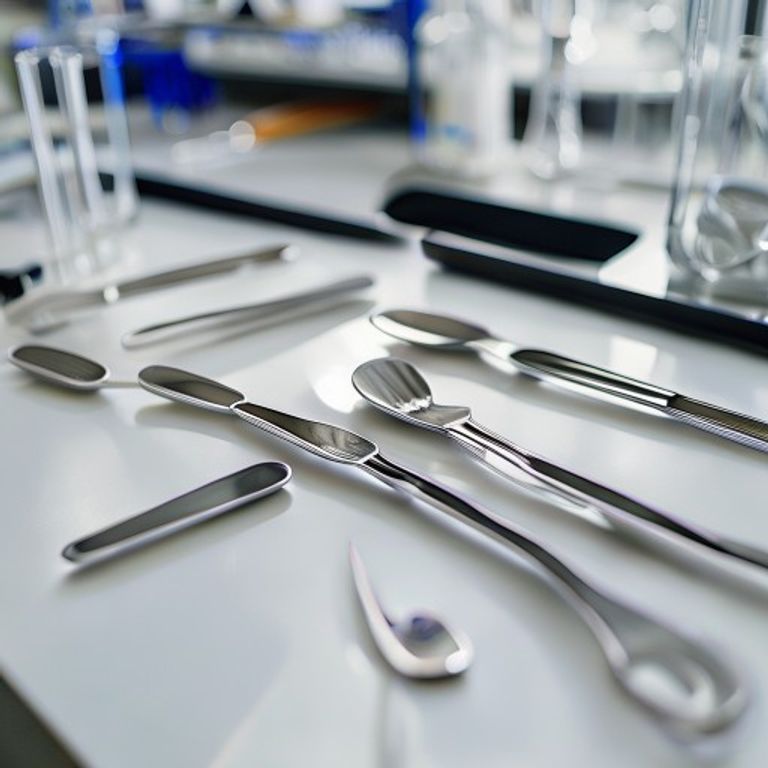
Just like there isn’t one hammer for every job, there isn’t one universal lab spatula. The variety of laboratory spatula types available is astounding, each designed for specific tasks and materials. We’ve got everything from micro-spatulas for milligram quantities to heavy-duty spatulas for scraping viscous resins. Common materials include stainless steel, which is durable and corrosion-resistant, and PTFE (Teflon), which is non-stick and chemically inert, perfect for sensitive samples.
- Stainless Steel Spatulas: The most common type, versatile for powders, solids, and semi-solids. They come in various blade shapes – flat, scoop, or bent.
- PTFE (Teflon) Spatulas: Ideal for highly corrosive chemicals or applications where metal contamination must be avoided. Their non-stick surface makes cleaning a breeze.
- Micro-Spatulas: Designed for handling minute quantities of substances with extreme precision, often used in pharmaceutical and analytical chemistry.
- Rubber/Silicone Spatulas: Excellent for gently scraping residues from glassware without scratching, or for mixing without contamination.
Choosing the best spatula laboratory equipment for chemistry labs often comes down to the specific reagents you’re working with and the level of precision required. Always consider chemical compatibility and the nature of your sample.
Setting Up Your Spatula “Station”: From Food Testing to Chemistry
Whether you’re exploring how to set up a spatula laboratory for food testing or equipping a general chemistry lab, organization is key. For food testing, material safety is paramount. We need spatulas made from food-grade stainless steel or safe plastics to prevent cross-contamination or leaching into food samples. In a chemistry lab, robust, chemically resistant materials are more important.
Here’s a basic setup idea:
- Dedicated Storage: Use racks, drawers, or beaker stands to store spatulas, keeping them organized by type and size. This prevents damage and makes selection easy.
- Cleaning Station: A designated area with cleaning agents (detergents, solvents) and brushes for immediate post-use cleaning.
- Drying Rack: Proper drying is crucial to prevent contamination and rust.
- Labeling: Consider color-coding or labeling spatulas for specific uses (e.g., “for acids,” “for bases,” “for food samples”) to prevent cross-contamination.
Precision and Prevention: Mastering Measurements and Contamination
Achieving precision spatula measurements is an art form. It’s not just about scooping; it’s about technique. For powders, we often use the “tap and weigh” method, gently tapping the spatula to dispense small amounts onto a weighing boat. This minimizes spillage and ensures accuracy. When dealing with delicate or hygroscopic materials, speed and a steady hand are vital.
Equally important is lab utensil contamination prevention. A single speck of an unwanted substance can ruin an experiment. Always use a clean spatula for each new reagent or sample, and avoid double-dipping. Think of it like sharing cutlery – you wouldn’t use the same spoon for soup and dessert without washing it, right? The stakes are even higher in a lab.
To truly master the art of precise measurements and safe handling, especially with delicate substances, it’s crucial to understand the nuances of this simple tool. If you’re looking for an essential guide to lab precision and safety with chemistry spatulas, we’ve got you covered with more in-depth insights.
Keeping It Clean: Spatula Cleaning Protocols and Safety
Rigorous spatula cleaning protocols are non-negotiable. After each use, spatulas should be immediately cleaned. For general lab use, warm water and a good laboratory detergent followed by a thorough rinse with deionized water is usually sufficient. For more stubborn residues or sensitive applications, ultrasonic baths or solvent washes might be necessary. Always ensure they are completely dry before storage.
Adhering to safety guidelines for a spatula laboratory environment also means considering the materials you’re handling. Never use a metal spatula with strong acids or bases that could react with the metal. Always wear appropriate personal protective equipment (PPE), like gloves and safety glasses, when handling chemicals, even with a tool as simple as a spatula. Be mindful of sharp edges on some spatulas, too!
Troubleshooting Common Spatula Issues
Even with such a straightforward tool, we can encounter issues. Here’s a quick guide to troubleshooting common issues in a spatula laboratory:
- Contamination: If you suspect contamination, re-clean the spatula thoroughly or use a fresh, sterile one. Review your cleaning protocols.
- Residue Sticking: For highly sticky substances, consider a PTFE-coated spatula. Warming the spatula slightly (if safe for the substance) can sometimes help.
- Difficulty with Fine Powders: Ensure your micro-spatula is clean and dry. A small static charge can sometimes cause powders to cling; wiping with an anti-static cloth might help.
- Bent or Damaged Spatulas: Discard or re-purpose damaged spatulas if they compromise precision or safety. A bent spatula can lead to inaccurate measurements.
Affordable Options for Every Budget
Setting up a functional lab doesn’t have to break the bank. There are many affordable spatula laboratory kits for schools and small labs that provide a good range of basic spatulas. Look for reputable suppliers offering sets of stainless steel spatulas in various sizes. For specialized needs, you might invest in a single PTFE spatula, but for general use, basic sets are usually a great starting point. Remember, proper care extends the life of even the most budget-friendly equipment.
Ergonomics in the Lab: Design for Comfort and Efficiency
Finally, let’s not overlook the human element. An ergonomic spatula design for labs might seem like a minor detail, but it can significantly impact comfort and reduce fatigue during long hours of work. Spatulas with comfortable grips, balanced weight, and appropriate length can make a big difference, especially when performing repetitive tasks or handling delicate samples. A comfortable grip also translates to better control and precision, reducing the risk of errors or accidents.
Conclusion
So, there you have it – a comprehensive look into the often-underestimated world of the lab spatula. From understanding the different types and their specific uses to implementing robust cleaning and safety protocols, treating your spatulas with the respect they deserve is fundamental to good laboratory practice. By embracing a “spatula laboratory” mindset, we not only improve our efficiency and precision but also ensure the integrity of our scientific work. Don’t just scoop; master the spatula, and watch your lab work flourish!
FAQ
Q: Can I use one spatula for different chemicals if I clean it thoroughly between uses?
A: While thorough cleaning can minimize cross-contamination, it’s always best practice to use separate spatulas for different chemicals, especially for sensitive experiments. If that’s not feasible, ensure your cleaning protocol is extremely rigorous and consider chemical compatibility.
Q: What’s the best way to clean a spatula that has sticky residue?
A: For sticky residues, start by scraping off as much as possible mechanically (if safe). Then, soak the spatula in an appropriate solvent (e.g., ethanol, acetone, or warm soapy water) that dissolves the residue. An ultrasonic bath can also be very effective.
Q: Are plastic spatulas as good as metal ones?
A: Plastic (e.g., PTFE) spatulas are excellent for specific applications where metal contamination is an issue, or with highly corrosive chemicals. They are also non-scratch for delicate glassware. However, they may not be as durable as stainless steel for heavy-duty scraping or handling very hot materials.
Q: How often should I replace my lab spatulas?
A: Spatulas should be replaced if they show signs of corrosion, pitting, bending, or damage that could affect precision or safety. For plastic spatulas, replace them if they become scratched or discolored, as these can harbor contaminants.







