Understanding Pipette Function: Accurate Liquid Handling Made Simple

Introduction
When we step into a modern biology lab, the first thing we often reach for is a pipette. It’s the unsung hero that lets us move microliters of liquid with the precision of a surgeon. But have you ever wondered how a pipette actually works or why its function is so crucial for reproducible results? In this article, I’ll walk you through the core principles of pipette function, compare it with syringes, and share practical tips to troubleshoot common errors. By the end, you’ll feel confident that every drop you dispense is exactly where it should be.
How Does a Pipette Work in the Lab?
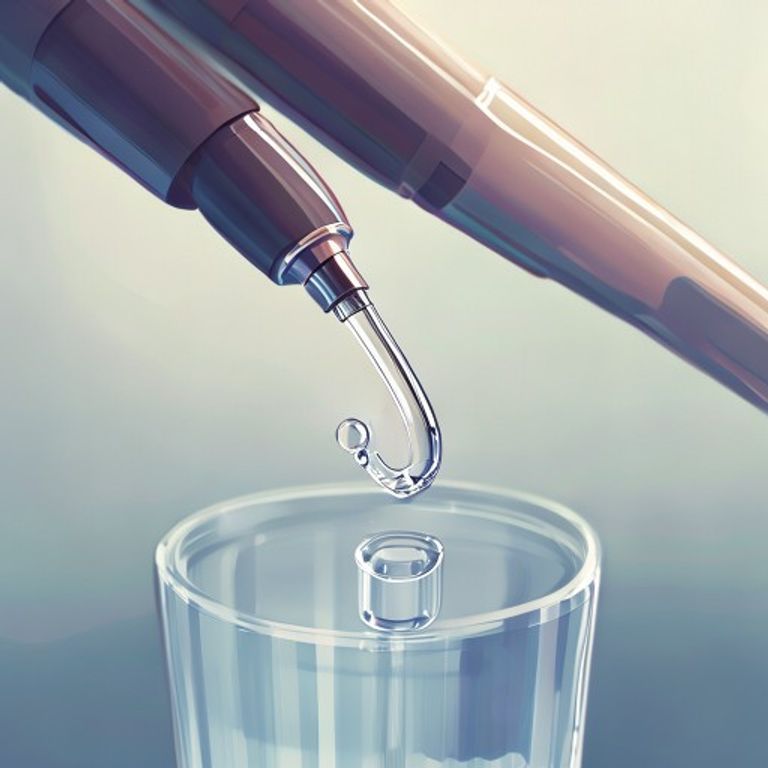
A pipette is essentially a sophisticated air‑displacement or positive‑displacement device that converts a mechanical motion into a controlled volume of liquid. Here’s a simple analogy: think of a syringe as a bicycle pump that pushes air, while a pipette is more like a precision syringe that first pulls air (or a piston) to create a vacuum, then draws liquid into the tip.
- Aspiration: Press the plunger to the first stop, releasing a pocket of air.
- Dispensing: Release the plunger slowly; the air pocket pushes the liquid out of the tip.
This two‑step motion gives us the volumetric accuracy that is essential for molecular biology protocols such as PCR, qPCR, and ELISA.
Pipette Function for Accurate Liquid Measurement
Accuracy isn’t just about the numbers on the dial; it’s about how the whole system works together:
- Calibration: Regularly check the pipette against a gravimetric standard. A deviation of ±0.5% is usually acceptable for most research work.
- Tip Compatibility: Use the correct tip size. An oversized tip can cause dead‑volume loss, while a too‑small tip may increase resistance.
- Temperature Control: Liquids expand or contract with temperature. Keep your pipette and reagents at the same temperature to avoid systematic errors.
When you master these details, the pipette becomes a reliable partner rather than a source of frustration.
Difference Between Pipette Function and Syringe
Both tools move liquid, but their mechanisms differ:
- Air Displacement vs. Direct Displacement: Most pipettes use air displacement, meaning the plunger moves air which then pushes the liquid. Syringes push the liquid directly with the piston.
- Volume Range: Pipettes excel at microliter to milliliter ranges, while syringes are better for larger volumes (≥1 mL) and viscous fluids.
- Precision: Pipettes are calibrated for repeatability; syringes rely on the operator’s steadiness.
If you need to handle highly viscous solutions like glycerol, a syringe might be more practical, but for routine DNA extractions, the pipette’s function shines.
Pipette Function in Molecular Biology Protocols
In protocols such as PCR, the success of the reaction hinges on adding exactly 2 µL of primer mix. A small error can shift the cycle threshold (Ct) value dramatically. Here’s how I integrate pipette best practices into my workflow:
- Pre‑wet the tip by aspirating and dispensing the same volume three times.
- Set the volume, then press the plunger to the first stop before aspirating.
- Touch the tip to the side of the tube to avoid air bubbles.
- Dispense slowly and release the plunger to the second stop to expel the residual liquid.
Following these steps reduces variability and keeps your qPCR curves smooth.
Troubleshooting Pipette Function Errors
Even the best pipettes can misbehave. Below are common symptoms and quick fixes:
- Inconsistent volumes: Check for worn O‑rings or damaged seals. Replace the seal kit.
- Air bubbles in the tip: Pre‑wet the tip and ensure the tip is securely attached.
- Leaking plunger: Clean the barrel interior; residual liquid can cause slippage.
- Wrong volume readout: Re‑calibrate using a certified balance.
When in doubt, refer to the manufacturer’s service manual or consult a senior colleague.
Integrating Pipette Care with Overall Lab Safety
While focusing on pipette function, don’t forget the broader safety context. For example, when you’re heating samples on a hot plate, using a stable Laboratory Tripod prevents spills that could damage your pipette tip or cause cross‑contamination. Likewise, proper handling of solid reagents with a Laboratory Spatula ensures you don’t introduce unwanted particles into your liquid measurements.
Conclusion
The pipette’s function is more than just a mechanical action; it’s a blend of physics, ergonomics, and good laboratory practice. By understanding how it works, maintaining calibration, and troubleshooting promptly, you can achieve the volumetric accuracy that modern research demands. So next time you pick up a pipette, remember it’s not just a tool—it’s a precision partner in every experiment.
FAQ
Q: How often should I calibrate my pipette?
A: At least once a month for high‑precision work, or whenever you notice a drift in volume.
Q: Can I use the same pipette for aqueous and organic solvents?
A: Yes, but clean the pipette thoroughly between uses to avoid cross‑contamination.
Q: What’s the main advantage of a positive‑displacement pipette?
A: It directly contacts the liquid, making it ideal for viscous or volatile solutions where air‑displacement would be inaccurate.
Q: Why does my pipette dispense a small droplet after the second stop?
A: That’s residual liquid in the tip. Press the plunger to the second stop and then gently touch the tip to the side of the tube to expel it.
Q: Is it okay to reuse disposable tips?
A: Generally no. Reusing tips can introduce contamination and affect accuracy.