

Unlocking the Lab’s Workhorse: An Essential Guide to Beaker Use

In the bustling world of scientific discovery, where precision often dictates success, it’s easy to overlook the unsung heroes of the lab bench. Among them, the humble beaker stands tall – quite literally! Often the first piece of essential beaker uses we encounter, this seemingly simple piece of laboratory glassware is incredibly versatile. From chemistry classrooms to advanced research facilities, its presence is ubiquitous. But do we truly understand its full potential and, more importantly, how to use it properly?
Today, we’re going to dive deep into the world of beaker use. We’ll explore not just its common applications, but also the best practices for handling, measuring, and ensuring safety. Think of this as your friendly guide to mastering one of the most fundamental tools in any scientific setting. By the end, you’ll feel more confident and competent, transforming your beaker from just a container into a true scientific partner.
What Exactly is a Beaker?
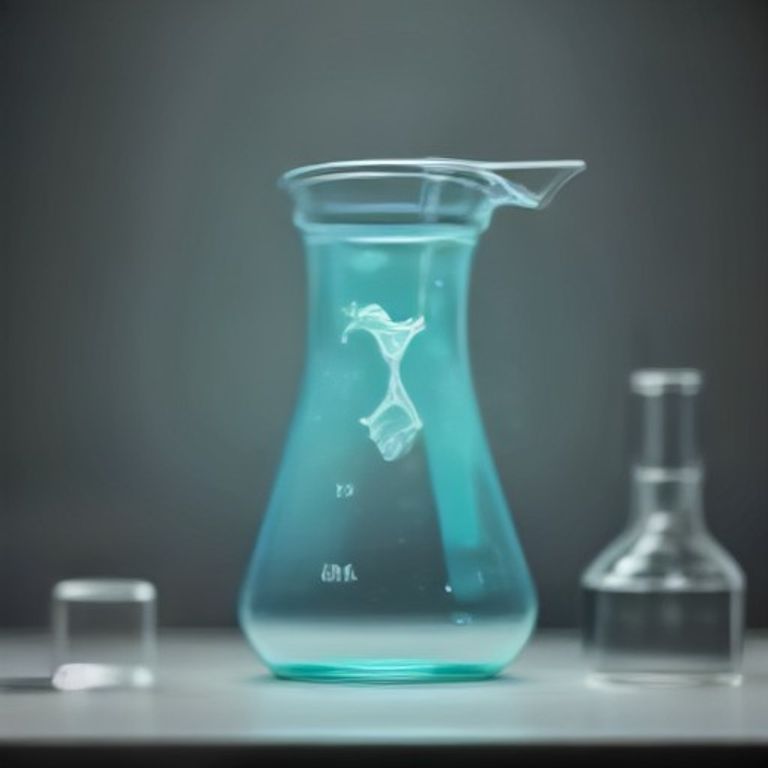
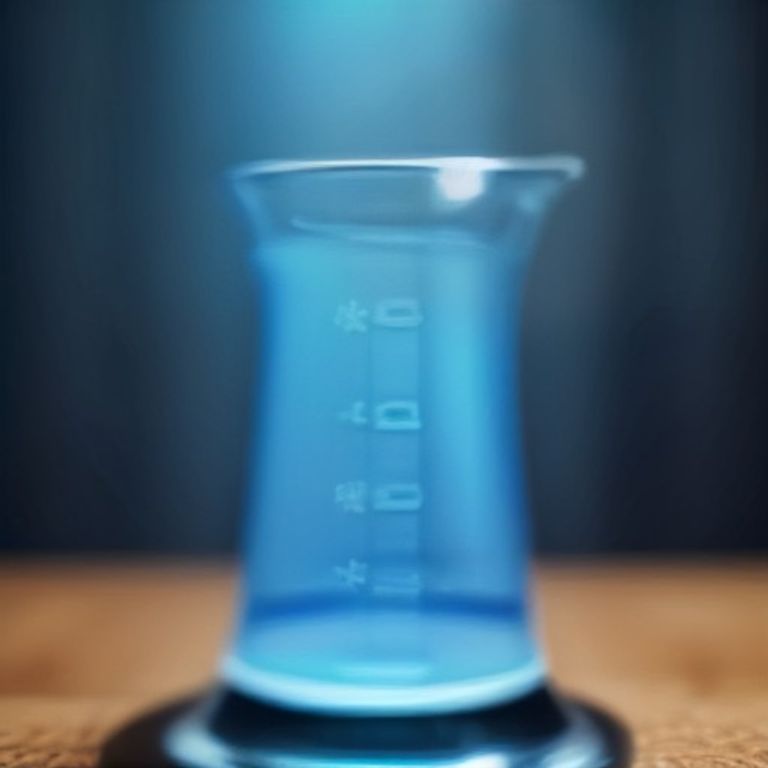
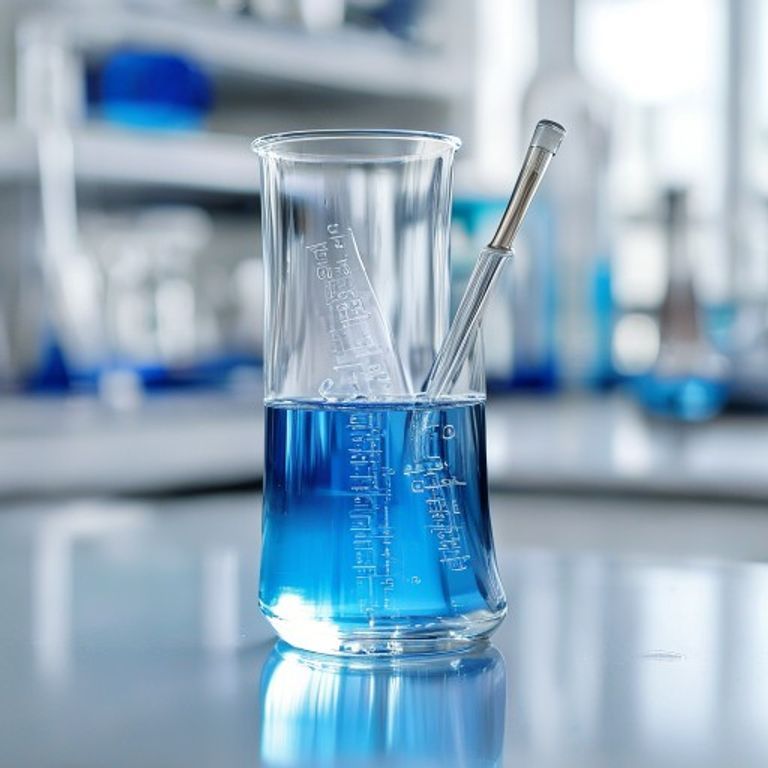
Before we jump into the nitty-gritty of beaker use, let’s quickly define what we’re talking about. A beaker is typically a cylindrical glass or plastic container with a flat bottom and a lip or spout for pouring. Unlike other laboratory glassware like flasks or test tubes, beakers usually have a wide mouth, making them ideal for mixing and transferring liquids. They come in various sizes, from tiny 5 mL beakers to massive ones holding several liters, each marked with approximate volume measurements on the side.
Common Uses of Beakers in Chemistry and Beyond
So, what are the common uses of beakers in chemistry and other scientific fields? Honestly, the list is quite extensive! Here are some of the primary ways we rely on these indispensable vessels:
- Holding and Mixing Liquids: This is arguably the most fundamental beaker use. Their wide mouths and stable bases make them perfect for simply holding solutions or for vigorously mixing them with a stirring rod.
- Heating Solutions: Many chemical experiments require heating liquids. Beakers, especially those made from borosilicate glass (like Pyrex or Kimax), are designed to withstand significant temperature changes. We often use them with a hot plate or a Bunsen burner (with a wire gauze) to heat samples evenly.
- Measuring Approximate Volumes: While not as precise as a graduated cylinder or a volumetric flask, beakers do have graduations on their side. These are great for quickly estimating liquid volumes when high precision isn’t critical. We’ll discuss measuring liquid volume with a beaker more in detail later. For more precise measurements, you would typically reach for a measuring cylinders in your lab.
- Performing Simple Reactions: Beakers are often used as reaction vessels for straightforward chemical experiments, especially when a large surface area for gas exchange or ease of stirring is beneficial.
- Collecting Filtrates or Titrants: During filtration or titration processes, beakers serve as excellent containers to collect the filtered liquid (filtrate) or the solution being added (titrant).
How to Properly Use a Beaker in a Lab
Knowing how to properly use a beaker in a lab is crucial for safety and accurate results. It’s more than just pouring liquid in!
- Choosing the Right Size: Always select a beaker that is appropriately sized for your task. Don’t fill a beaker to the brim, especially if you plan to stir or heat its contents, as this increases the risk of spills. Aim for about 2/3 full for most operations.
- Handling Liquids: When pouring, use the spout to control the flow. For more viscous liquids or small volumes, a stirring rod can help guide the stream. Always pour slowly and steadily to minimize splashing.
- Heating Solutions Safely: If you’re heating solutions, remember that beakers get hot! Use appropriate tools like beaker tongs or heat-resistant gloves. When using a Bunsen burner, place the beaker on a wire gauze on a tripod stand for even heating. Never heat a dry beaker.
- Measuring Volume: As mentioned, beaker markings are approximate. To measuring liquid volume with a beaker, read the bottom of the meniscus (the curved surface of the liquid) at eye level. For precise work, switch to a graduated cylinder or volumetric flask. Remember, beakers are for “rough” measurements.
- Stirring: Use a clean stirring rod, usually made of glass, to mix contents. Stir gently to avoid splashing, and don’t scrape the bottom of the beaker aggressively.
Safety Precautions When Using a Beaker
Safety first! Safety precautions when using a beaker are non-negotiable, particularly when working with chemicals or high temperatures.
- Wear PPE: Always wear appropriate personal protective equipment, including safety goggles, lab coat, and gloves, especially when handling corrosive or hazardous materials.
- Handle Hot Beakers with Care: Never touch a hot beaker with bare hands. Use beaker tongs or insulated gloves. Allow hot beakers to cool on a heat-resistant mat or wire gauze, not directly on a cold lab bench.
- Beware of Chemical Splashes: When mixing or pouring, do so slowly to prevent splashing chemicals onto yourself or others. Keep your face away from the mouth of the beaker.
- Inspect for Damage: Before use, always check your beaker for cracks, chips, or scratches. Damaged glassware can shatter unexpectedly, especially when heated, creating a significant hazard.
Cleaning and Storing Laboratory Beakers
Proper cleaning and storing laboratory beakers extends their lifespan and prevents contamination for future experiments. After all, a clean lab is a happy and accurate lab!
- Immediate Cleaning: Clean beakers immediately after use. This prevents residues from drying and becoming harder to remove. Use appropriate detergent and a brush. For stubborn residues, soaking or using specialized cleaning solutions might be necessary.
- Rinsing: Rinse thoroughly with tap water, followed by distilled or deionized water, to remove all traces of detergent and impurities.
- Drying: Beakers can be air-dried on a drying rack or oven-dried at a low temperature (if they are heat-resistant glass). Ensure they are completely dry before storage.
- Proper Storage: Store clean, dry beakers in a designated cabinet or on a shelf where they are protected from dust and potential damage. Avoid stacking them directly on top of each other, as this can lead to chipping or breakage. We often see them stored inverted to prevent dust accumulation.
Conclusion
So there you have it! The humble beaker, far from being just a simple glass, is a fundamental and incredibly versatile piece of laboratory glassware. Understanding its beaker use, from heating and mixing to approximate measuring, is essential for anyone working in a lab. By following proper techniques and adhering to safety precautions, we can ensure our experiments are not only successful but also safe. Remember, even the simplest tools deserve our respect and proper handling. Now go forth and experiment with confidence, knowing you’ve mastered the art of beaker use!
Frequently Asked Questions (FAQ)
Q1: Can I use a beaker for precise measurements?
A: No, beakers are designed for approximate volume measurements. Their markings are not as precise as those on a graduated cylinder or a volumetric flask. If you need highly accurate volume readings, always opt for a more precise instrument like a graduated cylinder. You can learn more about the essential uses of measuring cylinders for precise liquid handling.
Q2: Why do beakers have a spout?
A: The spout (or lip) on a beaker is designed for easy pouring, allowing for a controlled flow of liquids. This helps to prevent spills and makes transferring solutions much cleaner and safer.
Q3: Are all beakers heat-resistant?
A: Most laboratory beakers are made from borosilicate glass (like Pyrex or Kimax), which is highly heat-resistant and can withstand significant temperature changes without breaking. However, plastic beakers are not heat-resistant and should never be used for heating solutions.
For additional insights into other vital lab equipment, you might be interested in unlocking the essential Erlenmeyer flask function, another indispensable tool in many scientific setups.