Mastering the Graduated Cylinder Function: Accurate Volume Measurement, Cleaning & Calibration Tips

Introduction
When I first stepped into a chemistry lab, the graduated cylinder looked like a simple piece of glass. Yet, over the years I’ve learned that this humble tool is a powerhouse for precise liquid measurement. In this article we’ll dive into how a graduated cylinder works, why it outperforms a beaker for accuracy, how to read the meniscus like a pro, and the best practices for cleaning and calibrating it. By the end, you’ll feel confident using this essential piece of equipment in any experiment.
How a Graduated Cylinder Measures Volume
The principle behind a graduated cylinder is straightforward: it’s a tall, narrow tube with volume markings etched along its length. When you pour a liquid in, the liquid rises and the height corresponds to a specific volume based on the cylinder’s calibration. Think of it like a ruler for liquids – the longer the cylinder, the finer the “ruler marks,” which means better resolution.
- Cross‑sectional area: A narrower tube gives a larger change in height for a small volume, making each milliliter easier to read.
- Graduated markings: These are calibrated during manufacturing and are usually printed in milliliters (mL) or liters (L).
- Material: Most cylinders are made of borosilicate glass because it resists thermal shock and chemical attack, keeping the markings stable.
Graduated Cylinder Accuracy vs. Beaker
If you ever wondered why we don’t just use a beaker for every measurement, the answer lies in geometry. A beaker is wide and shallow, so a small volume change only slightly shifts the liquid level, making it hard to read precisely. A graduated cylinder, with its narrow profile, magnifies that change.
In practice, a good quality 100 mL cylinder can deliver accuracy within ±0.5 mL, whereas a typical beaker may be off by several milliliters. For tasks like preparing standard solutions or titrations, that extra precision can be the difference between success and a failed experiment.
Reading the Meniscus on a Graduated Cylinder
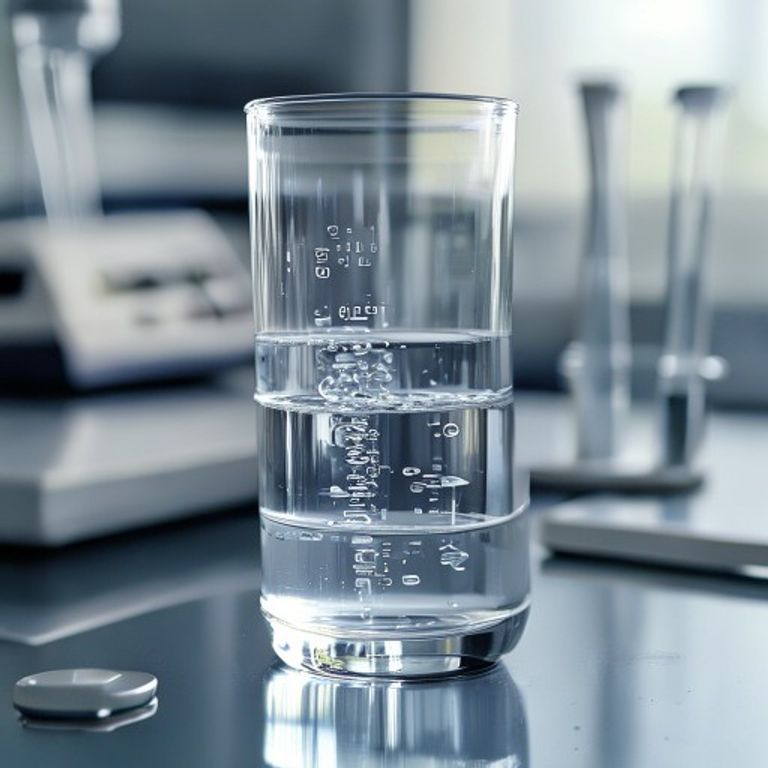
The meniscus is the curved surface of a liquid inside the cylinder. Most liquids (water, aqueous solutions) form a concave meniscus because they wet the glass. The correct way to read the volume is to line your eye level with the bottom of the meniscus.
- Never read from above the curve – you’ll overestimate the volume.
- For mercury or other non‑wetting liquids (convex meniscus), read the top of the curve.
- Use a white background or a light source to improve contrast.
Imagine looking at the bottom of a spoonful of soup – you want the lowest point, not the top of the splash.
Best Practices for Cleaning a Graduated Cylinder
Keeping the cylinder clean is vital for accurate readings. Residue can alter the meniscus and even damage the markings. Here’s my go‑to cleaning routine:
- Rinse immediately after use with distilled water.
- Use mild detergent and a soft brush for stubborn residues.
- Avoid abrasive pads – they can scratch the glass and affect calibration.
- Rinse thoroughly with distilled water to remove any soap.
- Dry upside down on a clean lint‑free cloth or let air‑dry.
For a deeper dive into cleaning protocols for lab glassware, check out our guide on analytical balance maintenance. Although it focuses on balances, the cleaning principles overlap nicely with cylinder care.
Graduated Cylinder Calibration Procedure
Even brand‑new cylinders can drift over time. A quick calibration check ensures you’re still getting reliable data.
- Gather a reference volume: Use a class A volumetric flask (e.g., 50 mL) that’s been calibrated.
- Fill the cylinder to the nearest marking that matches the reference volume.
- Weigh the cylinder on an analytical balance (yes, the same balance we discussed in the cleaning article). Record the mass.
- Calculate the actual volume using the density of the liquid (usually water = 1 g/mL). Compare it to the cylinder’s reading.
- Adjust if needed: If the discrepancy exceeds the cylinder’s tolerance, note the error and use a correction factor in future measurements.
Remember, calibration isn’t a one‑time event. Re‑check every few months or after any impact.
Practical Tips for Everyday Use
- Choose the right size: Use the smallest cylinder that can hold your required volume to maximize accuracy.
- Temperature matters: Volume expands with temperature. If precision is critical, note the lab temperature or use a temperature‑controlled environment.
- Label your cylinders: Write the last calibration date and any correction factor on the side.
- Store upright to prevent dust accumulation inside.
FAQ
How does a graduated cylinder measure volume?
It uses the height of the liquid column in a calibrated, narrow tube. The markings translate height directly into volume.
Is a graduated cylinder more accurate than a beaker?
Yes. The narrow shape provides finer resolution, typically delivering ±0.5 mL accuracy for a 100 mL cylinder, while beakers are far less precise.
What is the best way to read the meniscus?
Align your eye level with the bottom of the concave meniscus (or the top for a convex meniscus) and read the nearest marking.
How often should I calibrate my graduated cylinder?
At least once every six months, or after any drop or impact that could affect the glass.
Can I use the same cleaning method for all types of liquids?
Generally yes, but for aggressive solvents use compatible detergents and always rinse thoroughly with distilled water.
Why is temperature important?
Liquid volume changes with temperature. For high‑precision work, either control the temperature or apply a temperature correction factor.