


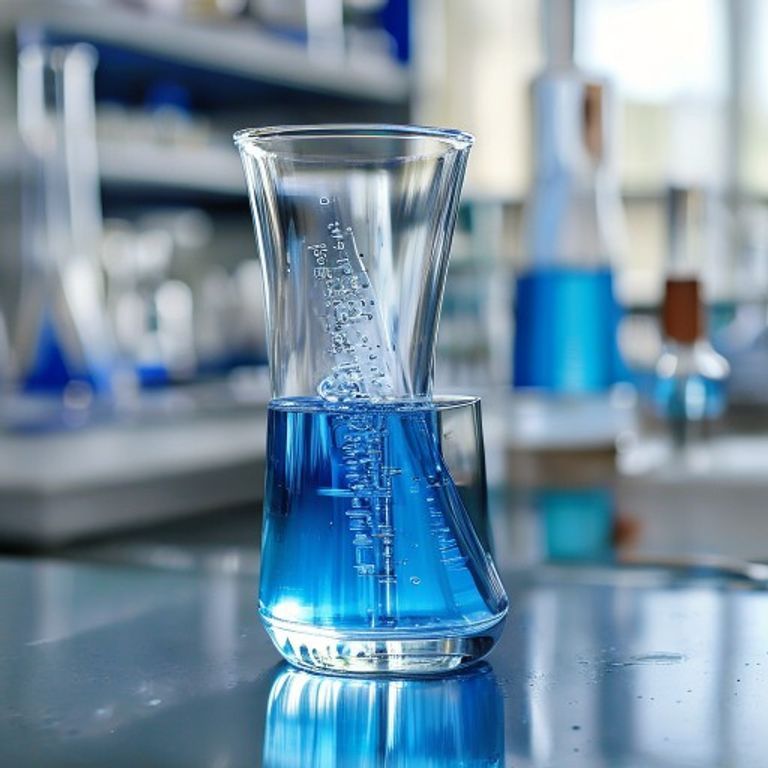
The Unsung Hero: Unveiling the Versatile Beaker Uses in Every Lab

When we think about a chemistry lab, what’s one of the first pieces of laboratory glassware that comes to mind? For many of us, it’s the humble beaker. This simple, cylindrical glass container with a pouring spout might seem basic, but trust me, its beaker uses are incredibly diverse and absolutely essential for countless scientific experiments. Think of it like the reliable multi-tool in your toolbox – it might not be the fanciest gadget, but you’d be lost without it.
Today, we’re going to dive deep into the world of beakers, exploring their true potential and understanding why they’re a staple in any scientific setting. We’ll go beyond just holding liquids and uncover the many hats this indispensable piece of equipment wears, from mixing chemicals to preparing solutions for more intricate work. So, let’s get started and learn why the beaker is far more than just a fancy cup!
The Workhorse of the Lab: Common Beaker Applications
Alright, let’s talk about the bread and butter of beaker uses. The beaker is truly the go-to vessel for a wide array of tasks in chemistry labs. Its wide mouth and flat bottom make it incredibly stable and easy to access, which is crucial for efficiency.
Mixing and Stirring Solutions: This is probably the most common application. Whether you’re dissolving a solid into a liquid or combining two different solutions, a beaker provides ample space for stirring with a glass rod or a magnetic stirrer without spilling. Its wide opening is perfect for adding reagents quickly and safely.
Heating Liquids: Beakers are made from borosilicate glass, which means they can withstand significant temperature changes without cracking. This makes them ideal for heating solutions over a Bunsen burner (usually with the help of a chemistry wire gauze to distribute heat evenly) or on a hot plate. We often use them for boiling water baths or for gentle warming of reactants.
Holding and Storing Samples (Temporarily): While not designed for long-term storage due to their wide opening and lack of airtight seals, beakers are fantastic for temporarily holding liquids, waste products, or prepared solutions before transferring them to other containers like flasks or bottles. Think of them as temporary parking spots for your chemicals.
Collecting Filtrates: During filtration, when you’re separating solids from liquids, a beaker is often placed underneath the funnel to collect the filtered liquid (filtrate). Its open top makes it easy to position and monitor the collection process.
How to Properly Use a Beaker for Mixing Solutions
Using a beaker for mixing might seem straightforward, but there are a few tips to ensure safety and effectiveness. Always place the beaker on a stable surface. When adding liquids, pour slowly to avoid splashing. For manual mixing, use a clean glass stirring rod and stir gently but thoroughly. If you’re using a magnetic stirrer, make sure the stir bar is fully submerged and the stirring speed is appropriate to prevent vortexing that might cause spills. Remember, the goal is uniform mixing without creating a mess!
When NOT to Grab a Beaker: The Measurement Myth
Now, this is a crucial point that often trips up beginners: while beakers have volume markings on their side, they are NOT for accurate measurements. Seriously, they’re about as accurate as using your kitchen measuring cup for a precise scientific experiment! The markings (or graduations) on a beaker are approximate, usually with an accuracy of only about 5-10%.
So, why beakers are not suitable for accurate measurements? It’s simply how they’re designed – wide-mouthed and intended for general use, not precision. If you need to measure liquid volumes accurately, you should always reach for a graduated cylinder, volumetric flask, or a pipette. For more on proper liquid measurement, you might want to check out our guide on decoding the graduated cylinder: definition, uses, and how to measure like a pro. Trust me, your experimental results will thank you!
Beyond the Everyday: Specific Laboratory Procedures Requiring Beakers
While we’ve covered the general scenarios, beakers are also integral to more specific laboratory procedures:
Titration Setup: In titrations, a beaker often holds the analyte solution, into which a titrant is slowly added from a burette. The beaker’s open top and wide diameter make it easy to see color changes and swirl the solution.
Preparing Buffers: When preparing buffer solutions, beakers are perfect for initial mixing of acid/base components before adjusting the pH and transferring to a volumetric flask for final accurate volume.
Performing Precipitations: For reactions that form a solid precipitate, beakers provide enough volume for the reaction to occur and allow for easy observation of the precipitate forming.
Short-Term Reactions: Many reactions, especially those involving mixing and heating, start and finish in a beaker. For example, dissolving a salt, preparing a standard solution, or even carrying out simple synthesis steps.
These are just a few examples of the types of experiments conducted with laboratory beakers. Its versatility truly makes it indispensable!
Conclusion
So, there you have it! The beaker, often overshadowed by more specialized equipment, is truly one of the unsung heroes of the lab. From mixing chemicals and heating solutions to temporarily holding precious samples, its robust design and practical features make it an essential tool for almost every scientific endeavor. While we must remember its limitations, especially concerning accurate measurements, understanding its strengths allows us to conduct our scientific experiments more effectively and safely. Next time you’re in the lab, take a moment to appreciate this versatile piece of laboratory glassware – it’s doing more work than you might think!
FAQ About Beaker Uses
Q1: Can I use a beaker for long-term storage of chemicals?
A: Not really. Beakers have wide openings and often lack stoppers or lids that provide an airtight seal. This means chemicals can evaporate, absorb moisture from the air, or degrade over time. For long-term storage, it’s better to use reagent bottles or conical flasks with appropriate seals.
Q2: How do I clean a beaker properly?
A: For most general uses, rinsing with distilled water and then washing with laboratory detergent and a brush, followed by thorough rinsing with distilled water, is sufficient. For stubborn residues, specific cleaning solutions or even acid baths might be needed, but always handle these with appropriate safety precautions.
Q3: What’s the difference between a beaker and an Erlenmeyer flask?
A: The main difference is their shape. A beaker has straight sides and a flat bottom, making it easy to pour and heat. An Erlenmeyer flask (conical flask) has a flat bottom and a conical body that tapers to a narrow neck. This narrow neck is great for reducing evaporation, containing fumes, and allowing for vigorous swirling without spills, making it preferred for titrations and reactions that need to be stoppered. However, beakers are generally easier to clean and pour from.
Q4: Are there different types of beakers?
A: Yes, mainly Griffin beakers (the most common type, with a spout and low form) and Berzelius beakers (tall form, no spout). There are also specialized beakers, but Griffin beakers are what most people envision when they hear “beaker.”







