

Wire Gauze Uses: Practical Tips for Labs, Bunsen Burners, and Industrial Applications

Introduction
When I first stepped into a chemistry lab, the humble wire gauze caught my eye. It looks like a simple metal mesh, yet it’s a workhorse that makes heating glassware safer and more efficient. In this article, I’ll walk you through the most common uses of wire gauze, from everyday lab tasks to industrial filtration, and show you how to get the best results with a few easy tricks.
Why Wire Gauze Is a Lab Essential
Wire gauze serves three main purposes:
- Heat distribution: It spreads the flame evenly, preventing hot spots that could crack delicate glass.
- Support: It provides a stable platform for beakers, flasks, and crucibles over a Bunsen burner.
- Protection: The mesh acts as a barrier, reducing direct contact between the flame and the glassware.
What Is Wire Gauze Used for in Labs?
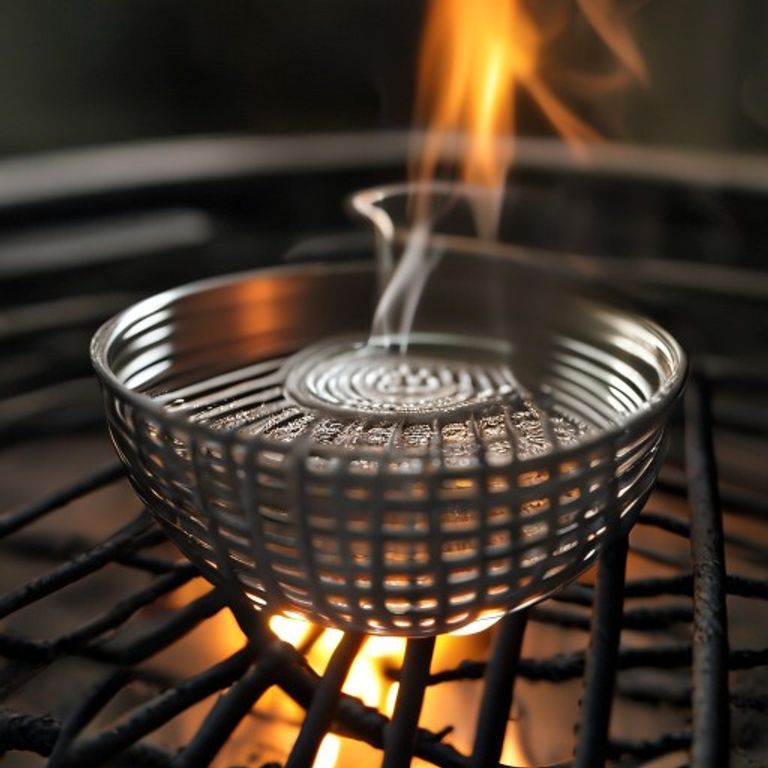
In most teaching and research labs, you’ll find wire gauze placed on the metal grate of a Bunsen burner. Here’s how we typically use it:
- Heating solutions in beakers without scorching the bottom.
- Evaporating solvents in round‑bottom flasks while keeping the flame steady.
- Supporting crucibles for high‑temperature calcinations.
If you’re curious about the details, check out what exactly is a Bunsen burner and why the mesh matters.
Purpose of Wire Gauze with Ceramic Center
Some wire gauze pieces come with a ceramic disc in the middle. The ceramic adds extra heat resistance and improves heat spread. Think of it as a “thermal blanket” that smooths out the flame’s intensity, especially useful when you’re:
- Heating large volumes of liquid that need uniform temperature.
- Working with thin‑walled glassware that’s prone to cracking.
How to Use Wire Gauze Over a Bunsen Burner
Getting the most out of your gauze is almost as easy as placing a pizza stone in an oven. Follow these steps:
- Fit the gauze: Make sure the mesh covers the entire grate without hanging over the edges.
- Check the ceramic disc: If your gauze has a ceramic center, position it directly over the flame for optimal heat distribution.
- Place your glassware: Set the beaker or flask on the gauze, ensuring it sits flat.
- Adjust the flame: Use a moderate flame (blue with a small tip) to avoid overheating.
Remember, the mesh is not a fireproof shield—it simply moderates the heat. Never leave it unattended.
Common Applications of Wire Gauze in Chemistry
Beyond basic heating, wire gauze shows up in several niche tasks:
- Distillation set‑ups: It supports the distillation column and helps keep the condenser stable.
- Filtration rigs: When you need a quick, disposable filter, a piece of gauze can hold solid residues while you pour liquid through.
- Drying ovens: Placing gauze on the oven rack allows air to circulate around samples, speeding up drying.
Industrial Uses of Wire Gauze Filters
In industry, wire gauze isn’t just for school labs. Large‑scale metal meshes are used as:
- Heat exchangers: The mesh provides a large surface area for heat transfer in furnaces and reactors.
- Particle filters: Fine‑mesh gauze separates metal filings or powders from liquids in manufacturing lines.
- Support plates: In metal casting, gauze plates support molds and distribute heat evenly.
These applications rely on the same principles of heat distribution and structural support that we see in the classroom.
FAQ
Can I use any metal mesh as a replacement for wire gauze?
Not really. The standard wire gauze is made of stainless steel or nickel‑chrome alloy, which resists oxidation at high temperatures. Using a cheap carbon steel mesh could rust or warp.
Do I need to clean the gauze after each use?
Yes. Residues can clog the mesh and affect heat flow. A quick brush with a soft wire brush and a wipe with ethanol usually does the trick.
Is the ceramic center necessary for all experiments?
No. For low‑temperature work, plain wire gauze works fine. The ceramic disc is best when you need extra thermal stability, such as heating viscous liquids or performing long‑duration reflux.
What safety precautions should I take?
Always wear heat‑resistant gloves and goggles. Make sure the gauze is securely placed on the burner grate—if it shifts, the glassware could tip over.
Conclusion
Wire gauze may look simple, but it’s a versatile tool that enhances safety, improves heat distribution, and even finds a place in heavy‑industry processes. By understanding its purpose—whether it’s the plain mesh or the version with a ceramic center—you can heat your samples more evenly, protect delicate glassware, and even speed up industrial filtration. Next time you set up a Bunsen burner, give that little metal mesh the respect it deserves!