Unveiling the Versatility: What are Erlenmeyer Flasks Used For?

In the bustling world of scientific discovery, where precision meets curiosity, there’s one piece of laboratory glassware that often steals the spotlight without even trying: the Erlenmeyer flask. You might know it as a conical flask, thanks to its distinctive cone-shaped body and narrow neck. But beyond its iconic silhouette, have you ever stopped to wonder, what are Erlenmeyer flasks used for?
For me, the Erlenmeyer flask is like the Swiss Army knife of the lab. It’s incredibly versatile, dependable, and quietly essential in countless chemical experiments and biological processes. From mixing vibrant solutions to carefully heating liquids, its unique design makes it indispensable. Today, let’s embark on a journey to explore the specific applications of Erlenmeyer flasks, both inside and outside the laboratory walls, and understand why this humble piece of glass remains a cornerstone of scientific work.
The Genius Behind the Cone: Why the Erlenmeyer Flask’s Design Matters
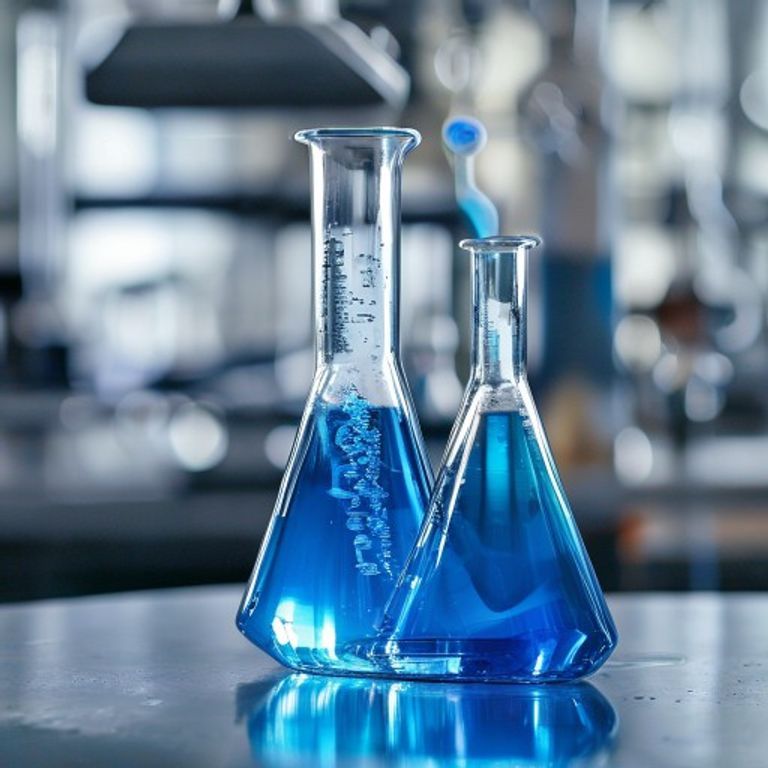
Before we dive into its uses, let’s quickly appreciate the smart design of this laboratory staple. Invented in 1860 by German chemist Richard August Carl Emil Erlenmeyer, its design wasn’t just aesthetic; it was revolutionary for its time, and it remains so today. The flat, wide base provides stability, which is crucial when you’re working with volatile chemicals or hot liquids. Then, as we move up, it narrows into a cylindrical neck. This neck is key – it minimizes solvent evaporation, allows for easy corking or stopper placement, and makes swirling solutions a breeze without worrying about spills. It’s this thoughtful combination that enables the Erlenmeyer flask to handle a diverse range of tasks so effectively.
Core Erlenmeyer Flask Uses in the Lab
When you step into almost any chemistry or biology lab, you’ll likely find Erlenmeyer flasks everywhere. Here are some of their primary roles:
1. Mixing and Swirling Solutions Safely
This is arguably the most common use. Imagine you need to thoroughly mix two liquids without making a mess. A beaker, with its wide mouth, often leads to splashes. But the narrow neck of a conical flask is perfect for vigorous swirling. We can mix reagents by hand, or even use a magnetic stirrer and stir bar, without fear of losing precious samples or creating hazardous spills. It’s like shaking a cocktail shaker, but for science!
2. Heating Liquids Uniformly
Thanks to its wide base, an Erlenmeyer flask can be placed directly on a hot plate or heated using a Bunsen burner (with a wire gauze for even heat distribution, of course!). The narrow neck helps reduce the evaporation of the liquid inside, which is particularly useful when you’re refluxing or simply needing to maintain a consistent volume during heating. It’s much more stable and forgiving than trying to heat a test tube over an open flame.
3. The Unsung Hero of Titration
Ah, titration! This is where the Erlenmeyer flask truly shines. If you’ve ever performed a titration, you know the delicate dance of adding a titrant from a burette drop by drop into your analyte. The wide base of the Erlenmeyer flask allows for easy swirling to ensure complete mixing of the reagents, and its narrow neck prevents the loss of solution during the process. More importantly, the conical shape makes it easy to spot the subtle color changes of an indicator, especially when you’re nearing the equivalence point. Without it, performing accurate titrations would be a much messier and less precise affair. For those keen to master the other half of this essential technique, understanding this essential titration tool is equally important.
4. Collecting Filtrates and Precipitates
When we perform filtration, the Erlenmeyer flask often acts as the receiver for the filtrate (the liquid that passes through the filter). Its stable base and wide mouth (when paired with a funnel) make it ideal for this purpose. Similarly, it’s a great vessel for allowing precipitates to form and settle before further processing.
5. Culturing Microorganisms
In microbiology, Erlenmeyer flasks are frequently used for culturing bacteria, yeast, and other microorganisms. The conical shape provides a large surface area at the bottom for aeration when agitated on a shaker incubator, promoting optimal growth conditions. The neck can be easily stoppered or covered with cotton plugs to maintain sterility while still allowing gas exchange.
Erlenmeyer vs. Others: Why Use a Conical Flask When There Are Beakers and Volumetric Flasks?
This is a great question! While other laboratory glassware like beakers and volumetric flasks also hold liquids, they serve different primary purposes. Beakers are great for general holding, mixing, and pouring, but their wide mouth means more evaporation and splashing during vigorous swirling. Volumetric flasks, on the other hand, are designed for extreme precision in preparing solutions of a specific volume, often with a single calibration mark. Their function is strictly about accurate volume measurement. If you’re curious about the specific design and use of such precision tools, you might want to look into the critical volumetric flask function in your lab.
The Erlenmeyer flask, by contrast, hits a sweet spot: it offers better mixing and reduced evaporation than a beaker, with more flexibility for heating and reactions than a volumetric flask. It’s the general-purpose workhorse, perfect for reactions where precise volume isn’t the *absolute* top priority, but controlled mixing, heating, or containment is.
Beyond the Bench: Common Uses of Erlenmeyer Flasks Outside the Laboratory
While primarily a lab tool, the Erlenmeyer flask’s unique shape and robustness have found their way into some creative non-lab uses:
- Kitchen Gadgets: Some homebrewers or chefs use them for proofing yeast or mixing small batches of sauces, appreciating the spill-proof design.
- Decorative Items: Their iconic shape makes them popular as vases for single flowers or as quirky decorative pieces in science-themed homes or offices.
- DIY Projects: People sometimes adapt them for small terrariums, unique candle holders, or even as specialized pouring vessels for crafts.
Frequently Asked Questions About Erlenmeyer Flasks
Q: Can I put an Erlenmeyer flask in the freezer?
A: Generally, yes, if it’s made of borosilicate glass (Pyrex or Kimax are common brands). This type of glass is resistant to thermal shock. However, always ensure there’s enough headspace for liquids to expand when freezing, to prevent the flask from cracking.
Q: What’s the difference between a beaker and an Erlenmeyer flask?
A: The main difference is their shape. Beakers have straight sides and a wide mouth, making them ideal for pouring and general holding. Erlenmeyer flasks have a conical body and a narrow neck, which reduces evaporation and splashing, making them better for mixing, swirling, and heating reactions.
Q: Are Erlenmeyer flasks good for accurate volume measurements?
A: No, not really for precise measurements. While they have volume markings, these are approximations. For accurate volume measurements, you should use a graduated cylinder or a volumetric flask.
Conclusion
From the precise dance of titration to the bubbling concoctions of microbial cultures, the Erlenmeyer flask remains an indispensable tool in our scientific arsenal. Its clever design, combining stability with spill-prevention and controlled evaporation, makes it incredibly versatile. So, the next time you see this iconic piece of laboratory glassware, I hope you’ll have a new appreciation for its humble yet critical role in unraveling the mysteries of the world around us. It’s truly one of the unsung heroes of the lab bench!