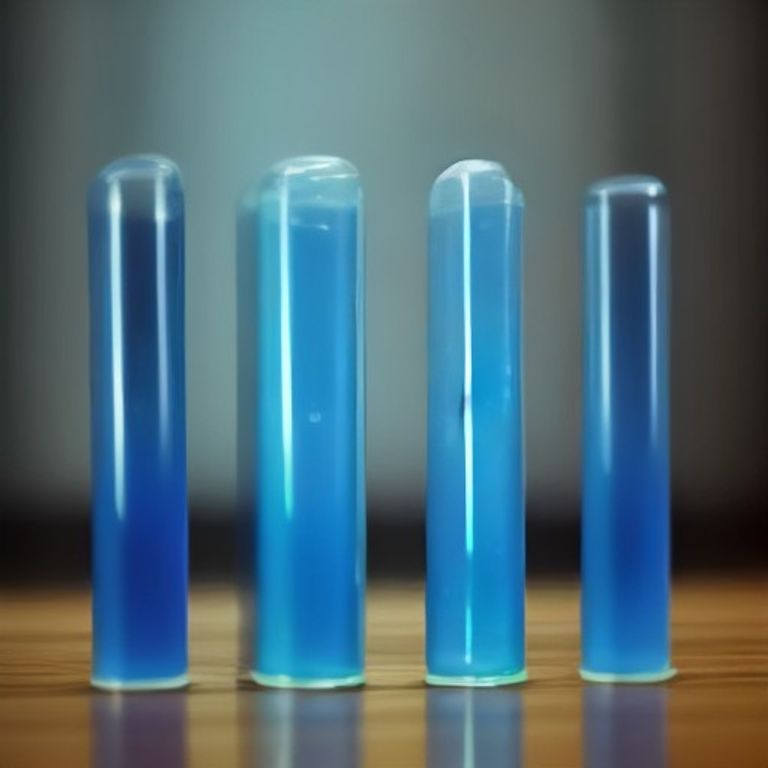
Unlocking the Lab’s Little Workhorse: Essential Test Tube Uses You Need to Know

Ever walked into a science lab and wondered about those simple, cylindrical glass tubes standing neatly in racks? We’re talking about test tubes! They might look basic, but these unassuming pieces of laboratory glassware are truly the unsung heroes of countless scientific experiments. From basic school experiments to advanced chemical analysis, test tubes are incredibly versatile. Let’s dive into the fascinating world of what are test tubes used for in laboratories and explore their practical applications.
What Exactly Is a Test Tube?
Before we explore their uses, let’s briefly define what a test tube is. Typically, it’s a cylindrical glass or plastic tube, open at one end and closed (usually rounded) at the other. They come in various sizes, but the most common ones are relatively small, designed to hold small volumes of liquids or solids. Their narrow shape and uniform bore make them ideal for many specific tasks where other glassware like beakers or flasks might not be suitable.
The Many Practical Applications of Test Tubes in Chemistry and Biology
Test tubes are involved in almost every aspect of laboratory work. Here are some of their most common uses:
1. Mixing and Reacting Chemicals
This is probably the first thing that comes to mind when we think about test tubes. Their small size is perfect for conducting small-scale chemical reactions. If we only need a few milliliters of reagents to observe a color change, precipitate formation, or gas evolution, a test tube is our go-to choice. It minimizes reagent waste and allows for quick observation. For example, when you’re testing for the presence of certain ions, you might add a drop of reagent to a small sample in a test tube and watch for a reaction.
2. Heating Liquids and Solids
Test tubes are often used for heating small amounts of substances. Because they’re usually made of borosilicate glass (Pyrex), they can withstand high temperatures without cracking. When heating, it’s crucial to use a test tube holder to avoid direct contact with heat and to always point the opening away from yourself and others. This makes them ideal for simple heating tasks, like dissolving solids or initiating reactions that require warmth. And speaking of heating, if you need to heat something, you might be using a Bunsen burner for safe operation in the lab, which is frequently paired with a test tube.
3. Sample Collection and Storage
In both biology and chemistry, test tubes excel at sample collection and temporary storage. Whether it’s a blood sample, a water sample from an environmental study, or a small amount of a synthesized compound, test tubes provide a convenient, sealed (if stoppered) environment. Their compact size makes them easy to store in racks or refrigerators, keeping samples organized and secure until they’re ready for further analysis.
4. Culture Growth in Biology Experiments
In microbiology, test tubes are frequently used for growing microbial cultures, such as bacteria or yeast. The sterile environment inside a test tube, often sealed with a cotton plug or cap, provides an ideal space for microorganisms to multiply. This allows scientists to study their growth patterns, test their response to different substances, or prepare them for further experiments. It’s a common sight in any biology lab!
5. Performing Qualitative Tests
Many qualitative chemical tests rely on observing changes in color, odor, or the formation of precipitates. Test tubes are perfect for these types of observations because their clear walls allow for unobstructed viewing of the contents. Think about litmus paper tests, Benedict’s test for sugars, or Biuret test for proteins – all typically performed in test tubes.
Proper Handling and Use of Test Tubes in Science Class
While test tubes are sturdy, proper handling is key to safety and accurate results. Always use a test tube rack for organization and stability. When heating, use a test tube holder and never point the open end towards anyone. Wear safety goggles, especially when working with chemicals or heat. Gentle swirling, not vigorous shaking, is usually sufficient for mixing. Remember, safety first!
Conclusion
From igniting small-scale reactions to nurturing microbial life, test tubes are undeniably versatile and indispensable tools in any scientific setting. Their simplicity belies their critical importance in allowing us to explore, understand, and manipulate the world around us. So, the next time you see a test tube, you’ll know it’s not just a piece of glass; it’s a gateway to scientific discovery!
FAQ
Q1: Can test tubes be reused?
A: Yes, most glass test tubes are designed for reuse. They must be thoroughly cleaned and sterilized after each use to prevent contamination, especially in biological and chemical experiments.
Q2: What’s the difference between a test tube and a beaker?
A: Test tubes are typically small, narrow, and rounded at the bottom, making them ideal for small reactions, heating small volumes, and observing changes clearly. Beakers are wider, have a flat bottom, and usually have a pouring spout, making them better for mixing larger volumes, holding solutions, and general experiments where precise volume isn’t critical.
Q3: Why are test tubes usually made of glass?
A: Test tubes are primarily made of borosilicate glass because it’s transparent, chemically inert (doesn’t react with most substances), and resistant to thermal shock, allowing them to be heated and cooled without breaking.
Q4: How should I clean a test tube?
A: After use, rinse the test tube immediately with water. Use a test tube brush with soap or a laboratory detergent to scrub the inside thoroughly. Rinse multiple times with distilled water, and then invert it in a drying rack to air dry.