

The Unsung Hero of Your Lab Bench: Mastering the Art of the Glass Stirrer

Introduction: The Simple Stick That Does So Much
In the bustling world of chemistry and laboratory work, we often find ourselves surrounded by complex machinery, high-tech sensors, and intricate setups. But amidst all this advanced equipment, there’s one humble tool that quietly plays a crucial role: the glass stirrer, or often simply called a glass stirring rod. It might look like just a plain glass stick, but believe me, its importance in ensuring accurate results and safe practices is immense. Today, we’re going to dive deep into this everyday lab essential, exploring everything from how to choose the right one to its practical uses and why it’s often preferred over its fancier counterparts.
What Exactly is a Glass Stirrer, Anyway? (The Basics)
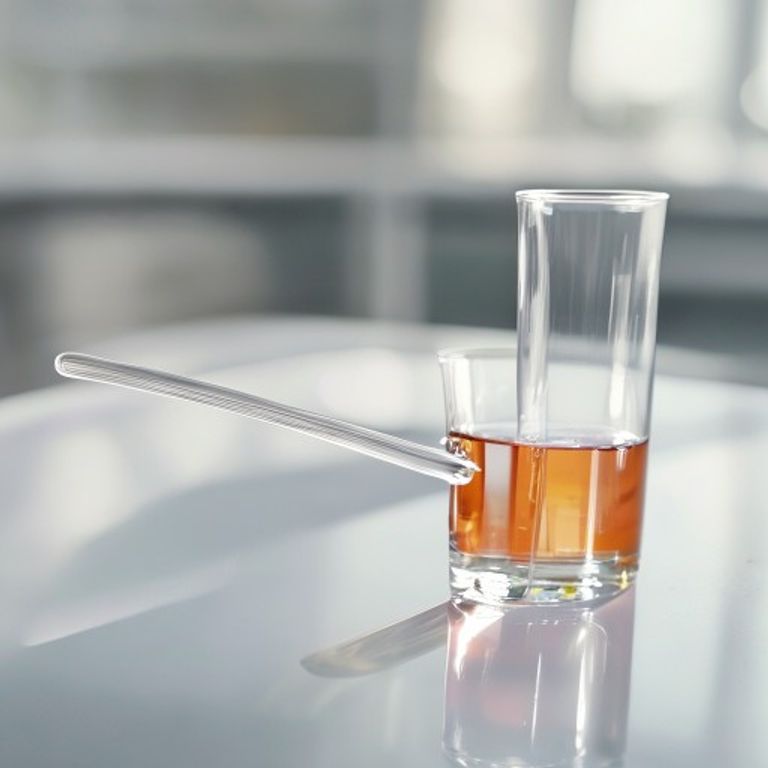
At its core, a glass stirrer is precisely what it sounds like: a rod made of glass, typically borosilicate glass, which is known for its resistance to thermal shock and chemical corrosion. Think of it like a sophisticated, elongated spoon for your lab experiments. Unlike metal or plastic stirrers, glass doesn’t react with most chemicals, ensuring that our solutions remain pure and uncontaminated. Its smooth, non-porous surface also makes it incredibly easy to clean, which is a huge plus when we’re dealing with sensitive reagents.
These rods usually come in various lengths and diameters, often with fire-polished ends to prevent scratching glassware and improve safety. This simple design is a testament to its effectiveness and versatility, making it a staple in virtually every chemistry lab, from high school classrooms to advanced research facilities.
Why Not Just Shake It? The Power of Proper Mixing
You might be wondering, “Why bother with a stirring rod when I can just swirl or shake my beaker?” That’s a great question! While swirling might work for very dilute or easily mixed solutions, it’s often not enough to achieve true homogeneity, especially with denser liquids or when dissolving solids. Shaking, on the other hand, can lead to spills, excessive foaming, or even dangerous pressure buildup if the container is sealed.
Using a glass stirrer allows us to achieve precise and gentle mixing. It ensures that all parts of a solution are thoroughly combined, crucial for reactions where concentrations need to be uniform. It’s like baking a cake – you wouldn’t just shake the batter, would you? You need to stir to get everything perfectly blended. This controlled solution mixing is fundamental to accurate experimentation and reliable results, making the glass stirrer an indispensable piece of chemistry equipment.
Choosing Your Perfect Stirrer: A Guide for Every Lab
When you’re looking to buy a chemistry lab glass stirrer, you’ll find a few options. So, how to choose a lab glass stirrer that’s right for you? Here are some factors we consider:
- Length: Stirrers range from short (around 15 cm) to long (up to 30 cm or more). Choose one that can reach the bottom of your container without your hand touching the rim, but isn’t so long it becomes unwieldy.
- Diameter: Thinner rods (e.g., 5 mm) are good for small test tubes, while thicker ones (e.g., 8-10 mm) offer more robustness for larger beakers and flasks.
- Ends: Always opt for fire-polished ends. This smoothness prevents scratches on your expensive laboratory glassware and significantly reduces the risk of cuts to your fingers – a key aspect of laboratory safety.
As for the price of a glass stirrer for chemical experiments, they are generally very affordable, making them a cost-effective choice for any lab.
Beyond Simple Stirring: Advanced Uses and Safety Tips
The utility of a glass stirring rod extends beyond just mixing. We often use a laboratory glass rod stirrer for several other tasks:
- Breaking Up Precipitates: Sometimes, solids can settle at the bottom of a solution. A gentle nudge with a glass stirrer can break these up, aiding dissolution.
- Decanting: When carefully pouring a liquid from a solid without disturbing the solid, a glass rod can guide the flow, preventing spills and ensuring a clean separation.
- Initiating Crystallization: Scratching the inner surface of a beaker with a glass rod can sometimes provide nucleation sites, encouraging crystals to form.
- Safety with Hot Liquids: When heating liquids, inserting a glass rod can help prevent “bumping” (sudden, violent boiling) by providing a surface for bubbles to form evenly. Always use caution and appropriate PPE.
Glass vs. Magnetic: Which Stirring Method Reigns Supreme?
It’s a common comparison: magnetic stirrer versus glass stirrer. Both have their place, but they serve different needs.
- Magnetic Stirrers: These use a rotating magnetic field to spin a “stir bar” (a small, coated magnet) placed inside the solution. They are excellent for continuous, unattended stirring, especially for long periods or when heating. They keep the container sealed, reducing contamination and evaporation. However, they require power, and the stir bar might not be suitable for very viscous solutions or solutions with suspended solids that could foul the bar’s movement.
- Glass Stirrers: Our trusty glass rods offer tactile control, allowing us to feel the viscosity, break up clumps, and even scrape the sides of the container. They don’t require electricity, are inexpensive, and can be used in almost any container. The downside is that they require manual operation, which can be tiring for long durations, and introduce a risk of human error or contamination if not handled properly.
Ultimately, the choice depends on the specific experiment. For quick, precise manual control, or when working with small volumes, the glass stirrer is often the superior and safer choice.
Conclusion: The Enduring Value of Simplicity
So, the next time you pick up a glass stirrer in the lab, take a moment to appreciate this simple yet powerful tool. It’s a testament to the idea that not all essential lab equipment needs to be complicated or expensive. Its reliability, chemical inertness, and ease of use make it an indispensable part of our daily lab work, silently contributing to the precision and safety of countless experiments. It truly is the unsung hero, always ready to lend a helping hand (or rod!) when we need to achieve that perfect mix.
FAQ: Your Glass Stirrer Questions Answered
Q1: How do I properly clean a glass stirrer?
A1: For most common chemicals, rinsing thoroughly with distilled water and then washing with a mild detergent (like lab soap) and a brush, followed by another rinse with distilled water, is sufficient. For stubborn residues, an appropriate solvent or acid wash might be necessary, always following safety protocols.
Q2: Can I use any glass rod as a stirrer?
A2: We strongly advise against it. Only use laboratory-grade glass stirring rods, preferably made of borosilicate glass, with fire-polished ends. Regular glass can be less resistant to chemicals and thermal shock, and rough edges can scratch your valuable glassware or cause injuries.
Q3: How long do glass stirrers last?
A3: With proper handling and care, a glass stirrer can last indefinitely. They are highly durable against chemical attack. However, they are susceptible to breakage if dropped or subjected to strong impacts, so always handle them carefully.
Q4: Are glass stirrers safe to use with hot solutions?
A4: Yes, borosilicate glass stirrers are designed to withstand significant temperature changes. They can be used to stir hot solutions or even help prevent bumping during heating. However, always exercise caution, wear appropriate personal protective equipment (PPE), and avoid rapid temperature changes that could stress the glass.