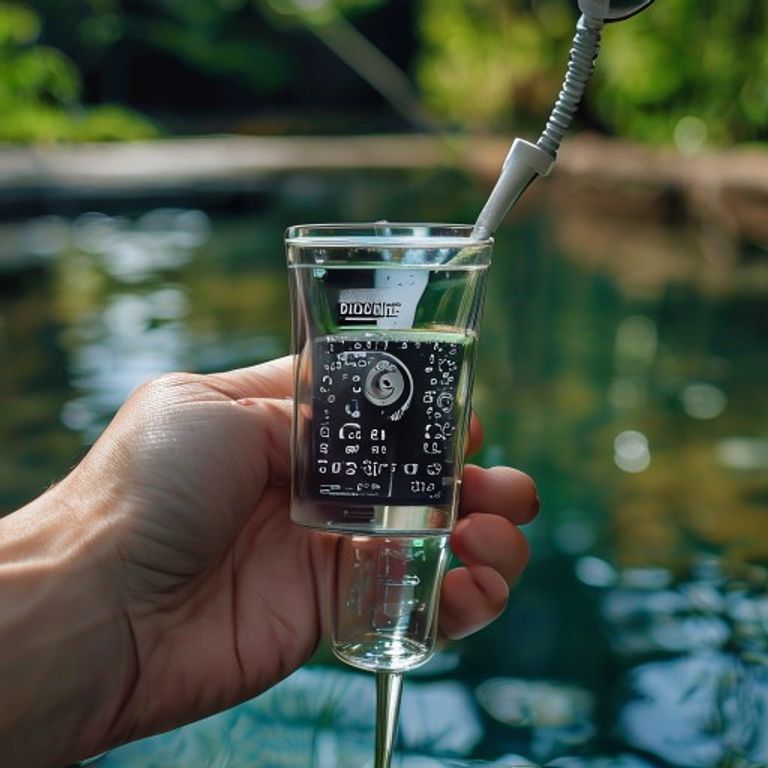
The Ultimate Guide to DO Meters: Unlocking Healthy Water Environments

Ever wondered why some fish thrive while others struggle in the same water? Or why wastewater treatment plants sometimes run into issues? Often, the answer lies in something invisible but incredibly vital: Dissolved Oxygen (DO). Just like we need to breathe, aquatic life needs oxygen dissolved in their water. And that’s where the mighty DO Meter comes into play!
Here at [Your Company Name, atau kita bisa bilang ‘kami’], we believe that understanding your environment is the first step towards managing it effectively. A DO meter isn’t just a fancy gadget; it’s a crucial tool for anyone involved in water quality monitoring, from fish farmers and environmental scientists to wastewater plant operators and even pond enthusiasts. In this ultimate guide, we’re going to dive deep into what DO meters are, why they matter so much, and how to get the most out of them.
What Exactly is Dissolved Oxygen (DO)?
Imagine your favorite fizzy drink. Those tiny bubbles aren’t just air; they’re gas dissolved in the liquid. Dissolved oxygen is pretty much the same concept, but with oxygen gas naturally present in water. It’s measured in milligrams per liter (mg/L) or parts per million (ppm), and it’s absolutely essential for the survival of fish, invertebrates, bacteria, and other aquatic organisms. Without enough DO, aquatic ecosystems can become stressed or even die off.
Why Measuring DO is a Game-Changer
So, why do we bother measuring something we can’t see? Because the health of our water bodies, and the creatures within them, depends on it! Let’s break down a few key areas:
1. For Our Fin-Tastic Friends: Aquaculture
If you’re raising fish or shrimp, you know how delicate the balance can be. Low dissolved oxygen concentration can quickly lead to stressed, unhealthy, or even dead aquatic life. This impacts growth rates, feed conversion, and ultimately, your bottom line. Using a best portable DO meter for aquaculture allows us to constantly monitor oxygen levels, ensuring our aquatic friends have ample breathing room. Think of it like a personal oxygen mask for your fish!
2. Keeping Water Clean: Wastewater Treatment
Believe it or not, tiny microorganisms are the unsung heroes of wastewater treatment. They consume organic matter, cleaning the water before it’s returned to the environment. These microbes need oxygen to do their job efficiently. A DO meter for wastewater treatment helps operators maintain optimal oxygen levels in aeration tanks, ensuring the treatment process runs smoothly and effectively. Too little oxygen, and the process slows down; too much, and you’re wasting energy.
3. For Ponds and Lakes: Environmental Health
Whether it’s your backyard pond or a vast natural lake, healthy aquatic life oxygen levels are a key indicator of overall environmental well-being. Sudden drops in DO can signal pollution, excessive algae growth (which consumes oxygen at night), or other ecological imbalances. A handheld DO meter for pond water or larger monitoring systems helps us understand and protect these precious ecosystems.
How Do DO Meters Work Their Magic?
At their core, DO meters are designed to measure the amount of oxygen gas dissolved in a liquid. There are primarily two types of sensor technologies:
- Electrochemical (Galvanic/Polarographic) Sensors: These sensors use electrodes submerged in an electrolyte solution. Oxygen diffuses across a membrane and reacts with the electrodes, creating an electrical current proportional to the DO concentration. They’re tried and true but require membrane and electrolyte maintenance.
- Optical Dissolved Oxygen Sensors: These are the newer kids on the block, gaining popularity for their low maintenance. They use fluorescence quenching technology. Essentially, a light excites a fluorescent dye, which then emits light. When oxygen is present, it “quenches” or reduces this fluorescence. The amount of quenching is proportional to the DO concentration. Many users appreciate the reduced calibration frequency and lack of membrane replacement. If you’re looking into optical dissolved oxygen sensor price, you’ll find they often offer long-term savings despite a potentially higher initial cost.
The Golden Rule: How to Calibrate a Dissolved Oxygen Meter
Just like tuning a guitar before a concert, calibrating your DO meter is absolutely essential for accurate readings. Without proper calibration, your readings might be misleading, leading to poor decisions. So, how to calibrate a dissolved oxygen meter?
Generally, calibration involves exposing the sensor to known oxygen levels. Most often, we use:
- Air-saturated water (100% saturation): This is typically done by stirring the probe in air-saturated tap water or a dedicated calibration solution. The meter then calculates the DO based on temperature and atmospheric pressure.
- Zero-oxygen solution (0% saturation): For a more thorough calibration, especially with electrochemical sensors, a zero-oxygen solution is used to set the lower limit.
Always refer to your specific meter’s manual, as procedures can vary. Regular DO sensor calibration ensures you’re getting reliable data, giving you confidence in your water quality monitoring efforts. It’s a small effort that yields big returns!
Beyond DO: A Glimpse at Comprehensive Water Analysis
While dissolved oxygen is incredibly important, it’s just one piece of the puzzle when it comes to understanding water quality. Often, we need to look at other parameters like pH, temperature, conductivity, and even turbidity. For instance, sometimes cloudy water can impact light penetration and oxygen production. If you’re interested in ensuring crystal clear water, you might want to explore The Ultimate Guide to Turbidity Meters: Unlocking Water Clarity for a Healthier World. Combining these insights gives us a truly comprehensive picture of our aquatic environments.
Conclusion: Your Water’s Best Friend
From supporting vibrant aquatic ecosystems to optimizing industrial processes, the DO meter is an indispensable tool. It empowers us to make informed decisions, protect our natural resources, and ensure the health and productivity of water-dependent activities. Investing in a quality DO meter and understanding its proper use, especially calibration, is a step towards healthier water environments for everyone.
Frequently Asked Questions (FAQ)
Q1: How often should I calibrate my DO meter?
A: It depends on the type of sensor and your application. Electrochemical sensors might need daily or weekly calibration, while optical sensors often require less frequent calibration, perhaps monthly or even less, depending on usage. Always check your manufacturer’s recommendations.
Q2: What is a good mg/L dissolved oxygen reading for fish?
A: Generally, most fish species thrive in waters with a dissolved oxygen concentration between 5-9 mg/L. Levels below 4 mg/L can stress most fish, and below 2 mg/L can be lethal. However, specific requirements vary by species.
Q3: Can temperature affect DO readings?
A: Absolutely! Water temperature has a significant impact on how much oxygen can dissolve. Colder water can hold more oxygen than warmer water. Most modern DO meters have automatic temperature compensation to account for this, but it’s a crucial factor to understand.
Q4: Are handheld DO meters accurate enough for professional use?
A: Yes, many high-quality handheld DO meters offer excellent accuracy and reliability, making them suitable for professional applications in aquaculture, environmental monitoring, and field work. Just make sure to choose a reputable brand and calibrate it regularly.