Stirring Rod Essentials: How to Use, Choose, and Buy the Best Lab Mixing Tool

Introduction
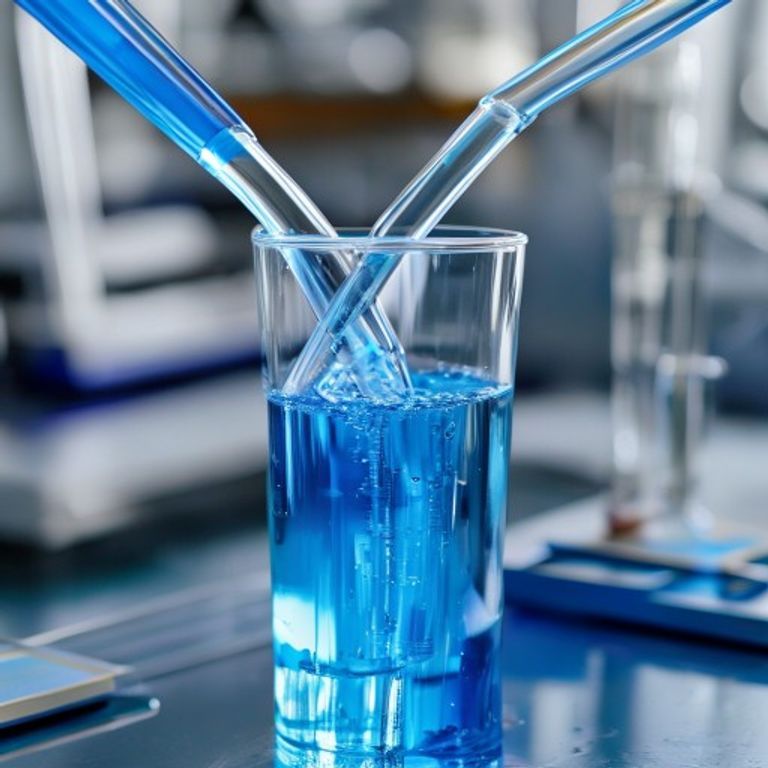
Ever wondered why a simple glass rod can be a game‑changer in the chemistry lab? I’ve spent countless hours swirling beakers, mixing solutions, and cleaning up spills, and the humble stirring rod has always been my go‑to tool. In this article I’ll walk you through how to use a glass stirring rod properly, explain its purpose in chemistry, compare the best options for laboratory use, and point you to reliable places to buy chemical stirring rods.
Why a Stirring Rod Matters in Chemistry
Even though it looks like just a piece of glass, the stirring rod does more than just move liquids around. It helps you:
- Achieve uniform mixing without creating bubbles.
- Control the temperature of exothermic reactions by spreading heat evenly.
- Transfer small amounts of liquid from one container to another without contamination.
- Perform qualitative tests, such as checking solubility or precipitate formation.
Think of it as the “spatula” of the liquid world – simple, versatile, and essential for reproducible results.
How to Use a Glass Stirring Rod – Step by Step
1. Choose the right size
Pick a rod that’s a bit longer than the container you’re working with. A 12‑inch rod works well for most beakers, while a 6‑inch rod is handy for test tubes.
2. Hold it correctly
Grip the rod near the tip with your thumb and index finger, like you would hold a pencil. This gives you fine control over the stirring motion.
3. Start slow, then increase speed
Begin with gentle circular motions to let the solution settle. Once the components are partially mixed, increase the speed to a steady swirl. Avoid rapid back‑and‑forth movements – they create vortexes and can splash the liquid.
4. Use a “figure‑eight” pattern for thorough mixing
Move the rod in a figure‑eight shape across the bottom of the beaker. This pattern pushes liquid from the corners toward the center, ensuring every drop gets a chance to mingle.
5. Clean between uses
Rinse the rod with distilled water, then with the solvent you’ll use next. A quick dip in a mild detergent followed by a thorough rinse removes residues and prevents cross‑contamination.
Choosing the Best Stirring Rod for Laboratory Use
Not all rods are created equal. Here’s a quick comparison of the most common types:
- Glass rods – Ideal for most aqueous solutions; they’re chemically inert, heat‑resistant, and easy to sterilize.
- Plastic (polypropylene) rods – Good for organic solvents that might etch glass; they’re flexible but can melt above 150 °C.
- Stainless‑steel rods – Perfect for high‑temperature or highly abrasive mixtures; they’re durable but can leach metal ions.
- Magnetic stir bars – Not a rod, but worth mentioning when you need hands‑free stirring for long reactions.
If you’re looking for a reliable, all‑round option, a high‑quality borosilicate glass rod is the safest bet. For specialized work, match the material to the chemicals you handle.
Where to Buy Chemical Stirring Rods
Most scientific supply companies stock stirring rods, but price and quality can vary. Here are a few tips:
- Buy in bulk if you run a teaching lab – the per‑unit cost drops dramatically.
- Check the product description for “borosilicate” or “quartz” to ensure chemical resistance.
- Read reviews for breakage rates; a sturdy rod saves you time and money.
For a curated list of trusted vendors, you can refer to the stirring rod guide that walks through reputable sources and what to look for when ordering online.
Different Types of Stirring Rods – Quick Reference
| Type | Material | Best For | Temperature Limit |
|---|---|---|---|
| Standard | Borosilicate glass | Aqueous solutions, general lab work | ~500 °C |
| Plastic | Polypropylene | Organic solvents, low‑heat tasks | 150 °C |
| Metal | Stainless steel | High‑temperature, abrasive mixes | 800 °C |
| Magnetic | Coated steel | Continuous stirring, large volumes | 200 °C |
FAQ
Can I use a stirring rod for solid powders?
Yes, but it’s better to use a spatula or pestle for dry powders to avoid scratching the rod.
Is it safe to reuse a glass rod after a reaction with strong acids?
Rinse thoroughly with plenty of distilled water, then soak in a neutralizing solution (e.g., sodium bicarbonate) before the final rinse. Glass is resistant to most acids, but a quick inspection for cracks is wise.
Do I need a different rod for each type of solvent?
Not necessarily, but if you frequently switch between aggressive organic solvents and aqueous solutions, keeping separate rods (glass vs. plastic) helps prevent cross‑contamination.
How often should I replace my stirring rods?
Replace them when you notice chips, cracks, or persistent staining that won’t clean off. A visual check before each use is a good habit.
Can I sterilize a glass stirring rod in an autoclave?
Absolutely. Glass rods tolerate the standard 121 °C, 15 psi cycle without degrading.
Conclusion
The stirring rod may be simple, but mastering its use can dramatically improve the accuracy and safety of your experiments. Choose the right material for your chemicals, follow the proper technique, and keep your rods clean – and you’ll never wonder why you ever tried to mix without one. Happy stirring!