

Dévoiler le héros Humble : une plongée profonde dans la description du tube d'essai et ses secrets de laboratoire

Bonjour, amis passionnés de science et curieux d'esprit ! Aujourd'hui, nous allons retirer le rideau sur l'un des morceaux les plus insupportables mais absolument indispensables de verrerie de laboratoire: le tube d'essai. Vous les avez probablement vus innombrables fois dans des films, des manuels de sciences, ou peut-être même vous-même. Mais avez-vous déjà pensé à ce qui rend un tube d'essai si parfait pour son travail ? En quoi consistent les tubes d'essai et pourquoi? Pourquoi est-ce étroit ? Voyons de plus près ensemble !
Pour moi, le tube d'essai est comme l'acteur de soutien fiable dans le grand jeu de la découverte scientifique. Il se peut que ce ne soit pas toujours l'étoile, mais sans elle, de nombreuses expériences ne seraient tout simplement pas possibles. Sa conception simple cache une richesse de brillance fonctionnelle, et la compréhension de ses caractéristiques est essentielle pour apprécier son rôle dans les expériences scientifiques.
Quoi exactement ? *Est* un tube d'essai? Une anatomie détaillée
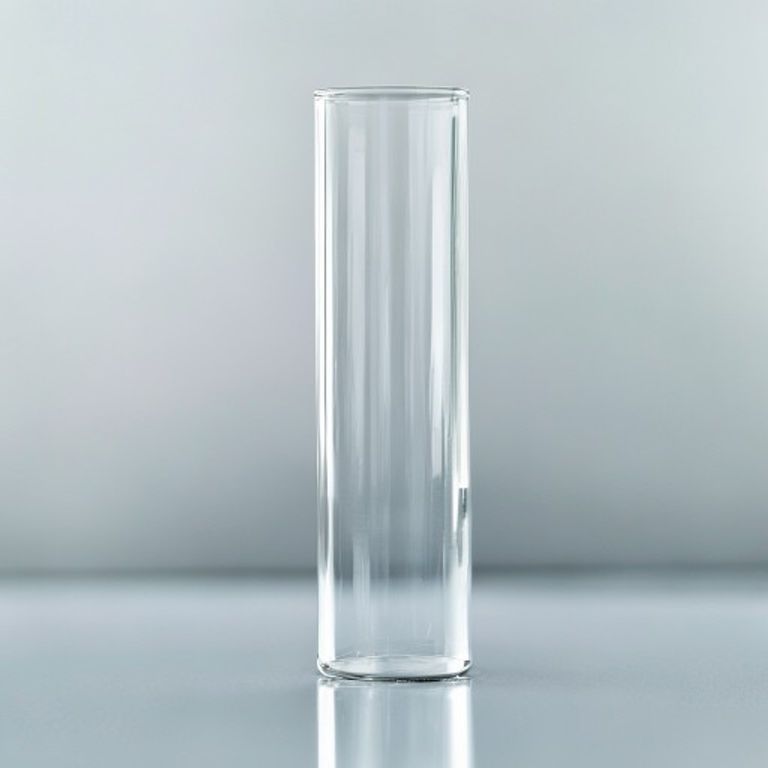
À son cœur, un tube d'essai standard est un tube cylindrique, généralement en verre, avec une extrémité ouverte et l'autre extrémité fermée et généralement arrondie ou conique. Pensez-y comme un verre miniature, extra-tout, mais beaucoup plus dur et spécialement conçu pour les travaux scientifiques. Ils viennent en différentes tailles, de minuscules tenant seulement quelques millilitres à des plus grandes qui peuvent contenir des dizaines de millilitres. L'ouverture est assez large pour permettre le déversement et l'insertion faciles de petits outils comme des tiges de brassage ou des pipettes, tandis que le fond scellé est crucial pour contenir des liquides et prévenir les déversements.
De quoi sont faits les tubes d'essai et pourquoi? La magie du verre Borosilicate
C'est là que les choses deviennent intéressantes ! La plupart des tubes d'essai de haute qualité ne sont pas simplement faits de verre; ils sont fabriqués à partir de verre borosilicaté. Si vous avez déjà entendu parler de Pyrex, vous connaissez déjà le verre borosilicate. Mais pourquoi ce matériel particulier?
Résistance à la chaleur: Le verre Borosilicate a un coefficient d'expansion thermique incroyablement faible. C'est une façon fantaisiste de dire qu'il ne se développe pas ou ne se contracte pas beaucoup lorsqu'il est chauffé ou refroidi rapidement. Imaginez essayer de chauffer un récipient en verre normal au-dessus d'une flamme; il pourrait se fissurer! Le verre Borosilicate peut résister au chauffage direct à la flamme, ce qui le rend parfait pour les réactions qui nécessitent de la chaleur.
Inerte chimique: Ce verre est très résistant à la plupart des produits chimiques. Les acides, les bases et les solvants ne réagissent généralement pas avec le tube d'essai lui-même ou le dégradent. Cela garantit que vos expériences sont propres et que les résultats ne sont pas contaminés par le contenant.
Transparence : C'est évident, non ? Mais essentiel ! La nature claire du verre nous permet d'observer l'analyse chimique, les changements de couleur, la formation de précipités et d'autres indices visuels cruciaux au cours d'une expérience.
Ainsi, lorsque nous prenons un tube d'essai, nous ne tenons pas seulement un tube de verre; nous tenons un équipement soigneusement conçu conçu conçu pour la durabilité, la sécurité et le travail scientifique précis.
Pourquoi les tubes d'essai sont-ils étroits et cylindriques? Fonctionnalité sous forme
Avez-vous déjà posé des questions sur cette forme cylindrique et étroite ? Il n'est pas seulement pour l'esthétique; il est une masterclass en design pratique:
Chauffage efficace: Le profil étroit permet un chauffage rapide et même de petits volumes de liquide. Lorsque vous appliquez la chaleur au fond, la chaleur se transfère rapidement dans la petite colonne de liquide.
Évaporation réduite: La plus petite surface en haut par rapport à un bécher plus large aide à minimiser l'évaporation des liquides volatils, en maintenant la concentration de votre échantillon stable.
Mélange facile : Faire pivoter un liquide dans un tube étroit crée un vortex qui mélange efficacement les réactifs sans beaucoup d'éclaboussures.
Manipulation de petits volumes : Les tubes d'essai sont parfaits pour manipuler et observer de petites quantités de substances, ce qui est courant dans de nombreuses expériences de laboratoire pour conserver les réactifs et gérer les réactions en toute sécurité.
Sauvage de l'espace: Leur conception mince signifie que beaucoup peuvent être stockés debout dans spécialisé définition du rack de tube d'essai, facilitant l'organisation et l'expérimentation simultanée.
Comment identifier différents types de tubes d'essai pour des utilisations spécifiques
Bien que la forme de base soit cohérente, il existe des variations subtiles qui dictent les utilisations spécifiques des tubes d'essai:
Tubes d'ébullition: Ces tubes sont généralement légèrement plus gros et plus épais que les tubes d'essai standard, spécialement conçus pour résister à l'ébullition vigoureuse sans fissuration. Ils ont souvent une lèvre bordée.
Tubes de culture : Souvent utilisés en biologie, ils peuvent avoir un bouchon à vis ou un bouchon en caoutchouc pour maintenir la stérilité et prévenir la contamination des cultures biologiques.
Tubes à centrifugeurs: Ils sont spécialement conçus pour être filés à haute vitesse dans une centrifugeuse. Ils ont souvent un fond conique plus robuste et un bouchon à vis pour éviter les fuites sous haute force g.
Tubes Nessler: Utilisés pour l'analyse colorimétrique, ils sont généralement longs, à fond plat, et ont un bouchon en verre moulu, permettant une comparaison précise de l'intensité de la couleur.
Apprendre à identifier différents types de tubes d'essai est crucial pour tout scientifique pour s'assurer que le bon outil est utilisé pour le bon travail, maximisant la sécurité et l'exactitude.
Les utilisations polyvalentes des tubes d'essai dans un laboratoire de chimie
D'un laboratoire de chimie à un laboratoire de biologie, les tubes d'essai sont des chevaux de travail. Nous les utilisons pour :
Mélange et chauffage de produits chimiques : C'est probablement leur rôle le plus emblématique, parfait pour les réactions à petite échelle.
Réactions observatrices : Leur transparence et leur étroitesse les rendent idéales pour observer visuellement les précipitations, l'évolution des gaz ou les changements de couleur.
Détention et stockage de petits échantillons : Ils sont excellents pour le stockage temporaire de réactifs ou d'échantillons avant une analyse plus poussée.
Effectuer des tests qualitatifs : De nombreux essais chimiques simples qui identifient la présence de certains ions ou composés sont effectués dans des tubes d'essai.
Culturation des microorganismes: Comme mentionné, les tubes de culture sont essentiels pour la microbiologie.
Conclusion : L'héritage durable d'un design simple
Donc, la prochaine fois que vous repèrez un tube d'essai, j'espère que vous verrez plus qu'un simple cylindre en verre. Vous verrez une merveille d'ingénierie pratique, conçue spécifiquement pour faciliter d'innombrables découvertes scientifiques. Son humble description explique son rôle crucial dans tout, des expériences scolaires de base à la recherche de pointe. C'est un témoignage de comment parfois, les outils les plus simples sont vraiment les plus puissants dans notre quête pour comprendre le monde qui nous entoure. Continuez à expérimenter !
FAQ
Q: Pourquoi les tubes d'essai sont-ils habituellement en verre borosilicaté?
R : Les tubes d'essai sont généralement faits de verre borosilicate en raison de son excellente résistance à la chaleur, son inerte chimique (il ne réagit pas avec la plupart des produits chimiques), et une grande transparence. Ces propriétés le rendent idéal pour le chauffage des produits chimiques, la conduite des réactions et l'observation des résultats en toute sécurité et avec précision dans un laboratoire.
Q: Puis-je chauffer un tube d'essai sur une flamme de brûleur Bunsen?
R: Alors que la plupart des tubes de laboratoire standard sont en verre borosilicate résistant à la chaleur, il est toujours préférable de confirmer. Les tubes d'ébullition sont spécialement conçus pour le chauffage vigoureux. Toujours chauffer doucement et uniformément, et ne jamais pointer l'ouverture vers vous-même ou les autres. Si vous n'êtes pas sûr du type de verre, évitez le chauffage direct à la flamme ou utilisez d'autres méthodes de chauffage.
Q: Comment puis-je choisir le tube de test de bonne taille pour mon expérience?
R: La bonne taille dépend du volume de liquide ou de solide avec lequel vous devez travailler. Pour les réactions et les observations à petite échelle, les tubes d'essai plus petits (p. ex., 10-20 mL) sont généralement suffisants. Pour des volumes plus importants ou pour l'ébullition, vous pouvez opter pour des tubes plus grands. Considérez le chauffage, le mélange et l'espace d'observation requis pour vos expériences scientifiques spécifiques.
Q: Quelle est la différence entre un tube d'essai et un bécher?
R: Les tubes d'essai sont étroits, cylindriques et ont généralement un fond arrondi, conçu pour contenir de petits volumes, le chauffage et les réactions d'observation. Les béchers sont plus larges, ont un fond plat, et généralement un bec, ce qui les rend mieux pour mélanger des volumes plus importants, verser, et la tenue générale de liquides, mais ils sont moins adaptés pour le chauffage direct sur une flamme.