


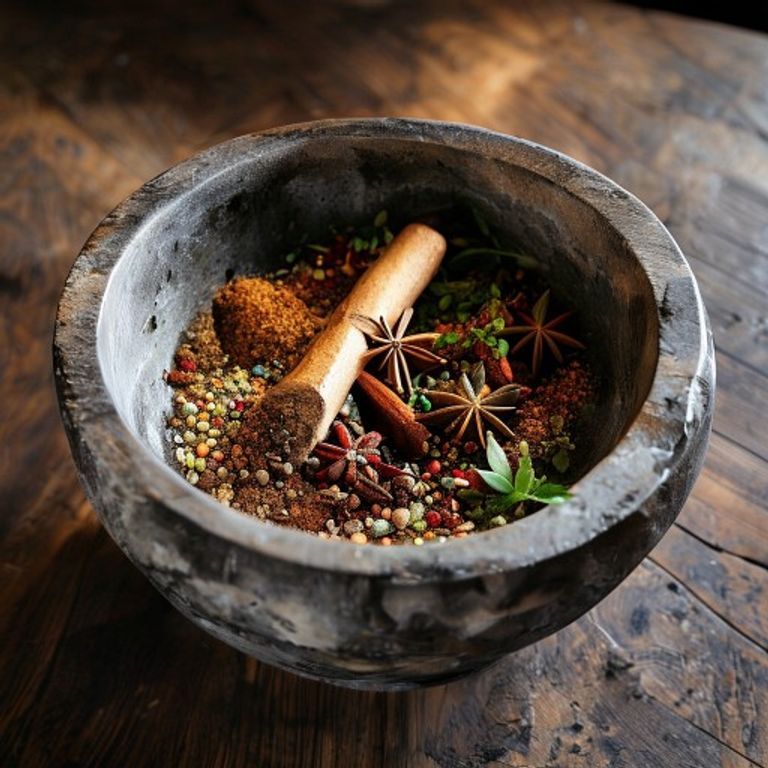
Déverrouillage de la saveur: Qu'est-ce qu'un mortier et un peste exactement, et pourquoi en avez-vous besoin?

Avez-vous déjà posé des questions sur ces anciens bols avec un bâton robuste, souvent vu dans des spectacles de cuisine ou des cuisines traditionnelles? Nous parlons du mortier et du pilon ! Alors que les mélangeurs modernes et les transformateurs alimentaires dominent nos cuisines aujourd'hui, il y a un charme intemporel et une efficacité indéniable pour ce duo classique. Depuis des siècles, c'est un outil indispensable pour broyage des épices, herbes concassées, et de préparer d'innombrables ingrédients. Laissez plonger profondément dans ce qu'est vraiment un mortier et un pilon, son histoire fascinante, et pourquoi il pourrait juste être l'arme secrète que vos aventures culinaires manquent.
Qu'est-ce qu'un Mortar et Pestle? Une définition simple
Au cœur, un mortier et un pilon est une paire de outils traditionnels conçu pour broyer, broyer et mélanger des substances. Pensez-y comme le robot culinaire original, mais avec une approche beaucoup plus pratique!
Le Mortar : C'est le vaisseau en forme de bol. Il est généralement fait de matériaux durables comme la pierre (granite, marbre, basalte), le bois, la céramique ou le métal. La surface intérieure est souvent rugueuse ou non vitrée pour fournir la friction, ce qui aide dans le processus de broyage. Sa conception est généralement dotée d'une base solide pour la stabilité et les côtés élevés pour empêcher les ingrédients de se déverser.
Le Pestle : C'est l'instrument en forme de club ou contondant utilisé pour battre, écraser et moudre les ingrédients contre la surface intérieure du mortier. Il est également fait de matériaux tout aussi robustes qui correspondent ou complètent le mortier. La forme et le poids du pestle sont conçus pour une manipulation ergonomique et une pulvérisation efficace.
Ensemble, ils forment une paire puissante, nous permettant de décomposer manuellement les ingrédients à notre consistance souhaitée, de la poudre grossière à la poudre fine ou à la pâte lisse.
Un passage dans l'histoire : l'héritage durable du Mortar et du Pestle
Les définition historique du mortier et du pilon Ça nous ramène des milliers d'années. Cet outil n'est pas une invention moderne ; en fait, ses origines peuvent être tracées à l'âge de pierre ! Les premiers humains ont probablement utilisé des versions rudimentaires pour traiter les grains, les plantes médicinales et les pigments. Des civilisations anciennes à travers le monde, des Egyptiens et des Romains aux diverses cultures asiatiques et indigènes, toutes utilisaient une certaine forme de mortier et de pilon.
Pendant des millénaires, c'était la principale méthode de préparation des aliments et des médicaments. Imaginez soigneusement les apothicaires anciens herbes concassées pour les remèdes, ou cuisine dans les marchés animés expertly broyage des épices pour des plats savoureux. Cette présence durable tout au long de l'histoire en dit long sur son efficacité et sa polyvalence. C'est un témoignage de conception simple et fonctionnelle qui a tenu le test du temps.
Beyond Grinding: À quoi sert un mortier et un peste?
Le primaire Objet du mortier et du pilon est, bien sûr, le broyage et le broyage. Mais ses applications vont bien au-delà, surtout dans la cuisine. Laissez-nous explorer quelques utilisations communes:
Épices de broyage : C'est peut-être son usage le plus célèbre. Vous avez déjà essayé de broyer des graines de cumin entières ou des grains de poivre ? Un mortier et un pilon libèrent leurs huiles aromatiques, ce qui donne une saveur plus fraîche et plus puissante que les épices pré-planifiées. Nous pouvons obtenir différentes textures, de grossièrement fissurée à une poudre fine, quelque chose avec lequel un broyeur d'épices pourrait lutter.
Herbes concassées : Qu'il s'agisse de basilic frais pour le pesto ou d'origan séché pour la marinade, les herbes ecchymoses avec un pestle extrait leurs huiles essentielles, intensifiant leur parfum et leur goût. Ce processus est supérieur à couper pour de nombreuses applications, car il préserve plus des saveurs délicates.
Faire des pâtes et des sauces : Pensez à des plats classiques comme le guacamole, le pesto, les pâtes de curry ou même la pâte d'ail. Un mortier et un pilon excelle dans la fabrication, le mélange et l'émulsion d'ingrédients pour créer des sauces et des pâtes riches et texturées. La friction directe décompose les parois cellulaires, libérant des arômes qu'un mélangeur pourrait manquer ou sur-procéder.
L'ail et le gingembre : Pour une préparation rapide et facile, nous pouvons l'utiliser pour masser les gousses d'ail dans une pâte lisse, ou le gingembre pour les thés et les frites. La texture obtenue est souvent plus soyeuse que l'ail finement haché.
Noix et graines : La création de beurres de noix, de tahini ou simplement la décomposition des noix pour la cuisson devient une tâche satisfaisante avec cet outil.
En substance, signification du mortier et de l'outil de cuisine pilonné Vient vraiment vivant dans sa capacité à transformer les ingrédients bruts en quelque chose de magique, améliorant les saveurs et les textures d'une manière que les outils mécaniques souvent ne peuvent pas reproduire.
Pourquoi nous l'aimons encore : le Mortar et le Pestle dans les équipements culinaires modernes
Dans un monde de broyeurs et de mélangeurs électriques, pourquoi se soucier d'un mortier et d'un pilon manuel? La réponse réside dans les résultats nuancés et l'expérience unique qu'il offre. Lorsque nous utilisons un mortier et un pilon, nous ne sommes pas seulement des ingrédients pulvérisants; nous sommes *Travail* eux.
Extraction d'arôme supérieure : L'action de concassage et de broyage d'un pilon contre un mortier brise délicatement les parois cellulaires, libérant un spectre complet d'huiles volatiles et d'arômes. Ceci est différent de l'action de coupe d'une lame, qui peut parfois "bruer" les ingrédients ou même les chauffer, provoquant certaines saveurs à se dissiper.
Contrôle de texture : Nous avons un contrôle total sur la texture finale. Vous voulez un broyage grossier pour un frottage d'épices ? Une fine poudre pour l'assaisonnement ? Ou une pâte pour le guacamole ? Il est tout à portée de main, permettant une plus grande précision que la plupart des alternatives électriques.
Durabilité et longévité: Un mortier et un pilon en pierre ou en céramique de bonne qualité peuvent durer toute une vie, voire des générations. C'est un véritable investissement dans notre cuisine.
Une expérience méditative : Il y a quelque chose de profondément satisfaisant et presque méditatif sur l'acte rythmique du broyage. Il nous relie aux ingrédients et à la tradition séculaire de Préparation des aliments.
Donc, alors que nos gadgets modernes ont leur place, le mortier et le pilon reste un morceau vital de équipement culinaire pour toute personne sérieuse sur la saveur et les techniques de cuisson traditionnelles.
Choisir et s'occuper de votre Mortar et Pestle
Si vous envisagez d'ajouter cet outil fantastique à votre cuisine, voici quelques conseils :
Matières: Le granit est un choix populaire en raison de sa nature non poreuse et d'une excellente surface de broyage. La céramique est idéale pour les moulures et les poudres plus fines. Le bois est bon pour les herbes douces. Évitez les décorations avec des intérieurs lisses et vitrés si vous voulez une bonne puissance de rectification.
Taille: Considérez à quoi vous allez l'utiliser. Un plus petit est bien pour quelques épices, tandis qu'un plus grand est mieux pour faire des pâtes de pesto ou de curry.
Assaisonnement (pour certains matériaux): Les nouveaux mortiers en pierre, en particulier le granit, doivent souvent être "assaisonnés" avant la première utilisation. Il s'agit de moudre le riz avec un peu d'eau jusqu'à ce que la pâte soit propre, enlevant tout grain lâche du processus de fabrication.
Nettoyage: La plupart des mortiers et les pesticides sont mieux nettoyés avec de l'eau chaude et un pinceau, évitant le savon si possible, car il peut être absorbé par des matériaux poreux et affecter les saveurs futures. Laissez l'air sécher complètement.
Conclusion
Le mortier et le pilon est tellement plus qu'un gadget de cuisine; c'est un pont vers l'histoire culinaire et une porte pour débloquer des saveurs plus profondes dans notre nourriture. De ses origines anciennes à son rôle vital dans les cuisines modernes, cette simple paire d'outils offre un contrôle inégalé sur la texture et l'arôme, élevant notre cuisine à de nouvelles hauteurs. Donc, si vous cherchez à améliorer votre Préparation des aliments et vraiment l'expérience de l'essence de vos ingrédients, nous vous recommandons fortement d'obtenir vos mains sur un. Vous pourriez simplement vous demander comment vous avez déjà cuisiné sans elle!
FAQ: Vos questions Mortar et Pestle
Q: Qu'est-ce qu'un mortier et un pilon utilisé pour cuisiner spécifiquement?
A: En cuisine, il est principalement utilisé pour broyage des épices sous forme entière, herbes concassées to release their oils, making pastes like pesto or curry pastes, mashing garlic and ginger, and preparing sauces and rubs.
Q: What is the main purpose of a mortar and pestle?
A: The main purpose of a mortar and pestle is to physically break down ingredients through crushing and grinding, allowing for the release of flavors, oils, and aromas in a controlled manner, leading to superior taste and texture compared to cutting or blending.
Q: Is there a difference between a mortar and pestle for spices vs. herbs?
A: While both can be used interchangeably, some materials are better suited for specific tasks. For instance, a rougher stone mortar is excellent for spices, providing friction for fine grinding. A wooden one might be gentler for delicate herbs or small amounts of garlic.
Q: Can I use a coffee grinder instead of a mortar and pestle for spices?
A: You can, but the results differ. A coffee grinder “chops” spices with blades, which can create heat and cause some volatile oils to evaporate, leading to a less aromatic result. A mortar and pestle “crushes” and “grinds,” preserving more of those precious oils and providing better texture control.
Q: How do I clean my mortar and pestle?
A: For most materials like stone or ceramic, rinse with warm water and use a stiff brush to remove any residue. Avoid soap, especially for porous materials, as it can seep in and affect future flavors. Let it air dry completely.







