


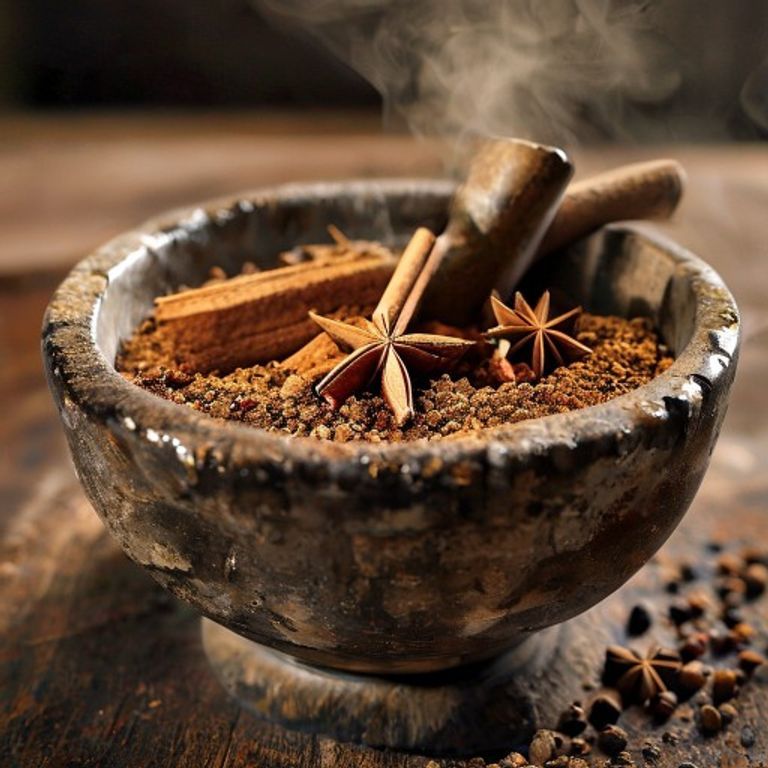
Débloquer l'arôme et la fonction : le monde diversifié des utilisations du mortier et du peste

Le mortier et le pilon ! C'est l'un de ces outils de cuisine intemporels qui a honoré d'innombrables maisons et laboratoires depuis des millénaires. Quand on pense à Utilisation du mortier et du pilon, nos esprits sautent souvent à un chef habilement broyer des épices, mais croyez-moi, ses capacités s'étendent bien au-delà de juste assaisonner votre dîner. Des apothicaires anciens aux cuisines modernes, ce duo simple mais puissant a une histoire riche et un rôle étonnamment polyvalent à jouer.
Pour moi, le charme d'un mortier et d'un pilon réside dans sa capacité à transformer des ingrédients avec une touche délicate ou un écrasement puissant, nous donnant le contrôle qu'aucun broyeur électrique ne peut tout à fait répliquer. C'est une expérience pratique qui nous relie à nos aliments et ingrédients d'une manière plus intime. Donc, laissez-les plonger dans et explorer les nombreuses façons fascinantes que nous pouvons mettre cet outil incroyable au travail!
Le cœur de la cuisine : Mortier et peste pour les délices culinaires
Quand quelqu'un demande, "Qu'est-ce qu'un mortier et un pilon utilisé dans la cuisine?", la réponse est une délicieuse symphonie de possibilités! C'est là que le mortier et le pilon brillent vraiment, ce qui nous permet de déverrouiller les saveurs et les arômes qui sont souvent perdus dans les ingrédients préfabriqués ou transformés par machine. C'est un changement de jeu pour toute personne passionnée par la nourriture.
- Épices de broyage : C'est sans doute son rôle le plus célèbre. Imaginez l'éclat vibrant du cumin fraîchement moulu, de la coriandre ou du poivre noir. La friction créée par le pilon contre le mortier libère les huiles essentielles, intensifiant la saveur et l'arôme bien au-delà de ce que les épices pré-sol peuvent offrir. C'est comme comparer un haricot de café frais au café instantané – il n'y a juste aucune concurrence!
- Herbes concassées : De délicates herbes fraîches comme le basilic, la menthe ou la coriandre profitent immensément d'un écrasement doux plutôt qu'une côtelette. Cette méthode écrase les feuilles, libérant leurs composés aromatiques sans les transformer en pâte aqueuse. Pensez à faire un pesto vibrant ou un chimikhurri zesty; la texture et l'éclat frais de saveur sont inégalés.
- Création de pâtes et de sauces : Du guacamole emblématique, où les avocats, les chilies et les oignons sont masqués à la perfection, aux pâtes de curry thaïlandais qui regorgent de citronnelle, de galangal et de chilies, le mortier et le pilon sont indispensables. Il crée une texture rustique et un profil de saveur profond que les mélangeurs manquent souvent, en préservant l'intégrité individuelle de chaque ingrédient tout en les mélangeant harmonieusement.
- Ingrédients émulsifiants : Vous avez déjà essayé de faire votre propre aioli ou mayonnaise ? Le mouvement régulier et contrôlé du pestle aide à incorporer lentement l'huile dans les jaunes d'œufs ou l'ail, créant ainsi une émulsion stable et crémeuse. C'est un processus vraiment satisfaisant pour regarder des ingrédients simples se transformer en quelque chose de riche et luxueux.
- Noix concassées et graines : Pour la cuisson ou l'ajout de texture aux plats, herbes concassées, noix, ou graines manuellement vous donne le contrôle sur la grossièreté, d'une poudre fine à un crumble chunky.
Les avantages de l'utilisation d'un mortier et d'un pilon pour la préparation des aliments sont claires : saveur supérieure, arôme et texture. Il élève vraiment votre cuisine du bon au gourmet!
Maîtriser l'art : comment utiliser un mortier et un peste pour broyer les épices
Apprendre Comment utiliser un mortier et un pilon pour broyer les épices est une compétence simple mais enrichissante. Il est moins sur la force brute et plus sur la technique.
- Démarrer Petit : Ne surchargez pas votre mortier. Travailler avec de petits lots d'épices ou d'ingrédients pour un meilleur contrôle et efficacité.
- La méthode "Twist and Press" : Pour la plupart des épices, j'aime commencer par un doux mouvement de pression et de torsion, plutôt que de simplement frapper. Cela aide à décomposer les ingrédients progressivement.
- Livre et rotation : Une fois que les ingrédients commencent à se décomposer, vous pouvez introduire un léger mouvement de battement, suivi d'une action de broyage circulaire, poussant le pilon contre les côtés du mortier.
- Baissez-vous. Écraser périodiquement les côtés du mortier avec une petite cuillère ou une spatule pour s'assurer que tous les ingrédients sont traités uniformément.
- Atteindre la texture souhaitée : Continuez jusqu'à ce que vous atteignez votre consistance désirée, que ce soit un écrasement grossier ou une poudre fine. Souvenez-vous, vous avez le contrôle total !
Cette approche pratique offre une expérience méditative et un résultat supérieur que les meuleuses électriques ne peuvent souvent pas correspondre en raison de la chaleur qu'elles génèrent, qui peut dégrader les huiles essentielles délicates.
Au-delà de la cuisine : utilisations pharmaceutiques et traditionnelles
Bien que nous les associions souvent à l'art culinaire, le mortier et le pilon ont une histoire profonde et une pertinence continue en dehors de la cuisine. Leur conception robuste et leur action de broyage efficace en font des outils précieux dans d'autres domaines.
Concassage des médicaments et des composés pharmaceutiques
Dans les pharmacies et les établissements de santé, le mortier et le pilon sont essentiels pour composé pharmaceutique. Les pharmaciens les utilisent pour écraser et mélanger précisément les ingrédients pharmaceutiques actifs (IPA) avec des excipients inactifs pour créer des médicaments personnalisés. Ceci est particulièrement important pour les patients qui ont besoin de doses spécifiques, ont des allergies aux formulations standard, ou besoin de médicaments sous forme de liquide ou de poudre qui n'est pas disponible commercialement. La capacité de broyer finement et de bien mélanger assure un dosage précis et la cohérence, ce qui en fait un outil essentiel pour les soins aux patients.
En ce qui concerne la question "Meilleur mortier et pilon pour les médicaments de concassage," Les mortiers en céramique ou en verre sont souvent préférés dans les milieux pharmaceutiques. Ils sont non poreux, faciles à stériliser, et ne réagissent pas avec les produits chimiques, assurant la pureté et l'efficacité du médicament. Pour usage à domicile, si vous avez besoin d'écraser une pilule (consultez toujours votre médecin ou votre pharmacien d'abord!), un petit mortier et un pilon en céramique propre est une bonne option.
Utilisations traditionnelles du mortier et du peste dans l'histoire
Dans le utilisation traditionnelle du mortier et du pilon dans l'histoire révèle un voyage fascinant à travers la civilisation humaine. Ces outils sont parmi les plus anciens instruments connus, datant de l'âge de pierre. Les cultures anciennes les utilisaient pour:
- Préparation des médicaments : Au cours de l'histoire, les herboristes et les guérisseurs se sont fortement appuyés sur le mortier et le pilon pour broyer les herbes, les racines et les minéraux en poultices, teintures et poudres à des fins médicinales.
- Traitement des grains: Avant que les moulins ne deviennent communs, des grains comme le blé et le maïs ont été pilonnés dans de gros mortiers pour enlever les défenses et créer de la farine.
- Fabrication de pigments et de colorants : Les artistes et les artisans les utilisaient pour écraser les minéraux et les plantes en poudre fine pour les peintures, les cosmétiques et les colorants textiles.
- Pratiques spirituelles et rituelles : Dans certaines cultures, la préparation de substances cérémonielles à l'aide d'un mortier et d'un pilon faisait partie intégrante des rituels et des offrandes.
Il est vraiment remarquable comment un outil si simple a joué un rôle si central dans le développement humain sur les continents et les millénaires.
Choisir votre compagnon : types de mortiers et de pestes
Comme les autres. outils de préparation des aliments, mortiers et pestes viennent dans différents matériaux, chacun avec ses propres avantages:
- Granit: Mon préféré personnel pour une utilisation culinaire. Il est lourd, durable, et sa texture poreuse fournit une excellente friction pour broyer les épices et faire des pâtes. N'oubliez pas de ‘saison' d'abord!
- Marbre: Beau et élégant, le marbre est moins poreux que le granit et idéal pour les ingrédients plus doux ou faire des émulsions.
- Céramique/orcelaine: Often glazed on the outside and unglazed on the grinding surface. These are excellent for pharmaceutical use due to their non-reactive nature and ease of cleaning. They are also good for grinding dry spices.
- Bois: Generally softer and lighter, wooden mortars are ideal for grinding delicate herbs or small quantities of spices. They tend to absorb flavors, so it’s best to dedicate them to specific uses.
- Metal (e.g., Stainless Steel, Brass): Less common for general cooking, but sometimes used for specific tasks or decorative purposes. Be mindful of potential reactivity with certain ingredients.
Conclusion
From the ancient grinding of grains to the precise compounding of modern medicines, and from the vibrant creation of pesto to the delicate crushing of herbs, the mortar and pestle stands as a testament to the enduring power of simple design. It’s more than just a kitchen implement; it’s a bridge to history, a tool for precision, and a gateway to deeper flavors.
So, whether you’re a seasoned chef, a home cook eager to explore new depths of flavor, or simply someone who appreciates the art of traditional tools, I highly encourage you to embrace the mortar and pestle. You’ll not only enhance your culinary creations but also connect with an age-old practice that continues to enrich lives around the world. Happy grinding!
Foire aux questions (FAQ)
Quels sont les avantages de l'utilisation d'un mortier et d'un pilon sur un broyeur électrique?
The main benefits include better flavor and aroma release (due to friction rather than heat), greater control over texture, and a more rustic, authentic result for many dishes. It also offers a meditative, hands-on cooking experience.
Quels matériaux sont les meilleurs pour un mortier et un pilon?
For culinary use, granite is highly recommended for its durability and excellent grinding surface. Marble is good for softer ingredients. For pharmaceutical purposes or very fine dry grinding, ceramic or porcelain are preferred.
Comment nettoyer mon mortier et mon pilon ?
For most culinary mortars (especially granite), simply rinse with warm water and scrub with a stiff brush. Avoid soap, as porous materials can absorb it and taint future foods. For ceramic or glass, soap and water are fine. Always ensure it’s completely dry before storing.
Puis-je écraser des pilules avec du mortier et du pilon ?
While technically you can crush pills with most, for medication, a clean ceramic or glass mortar and pestle is ideal as it’s non-porous and won’t absorb medication residues or flavors. Always consult a healthcare professional before crushing any medication.







