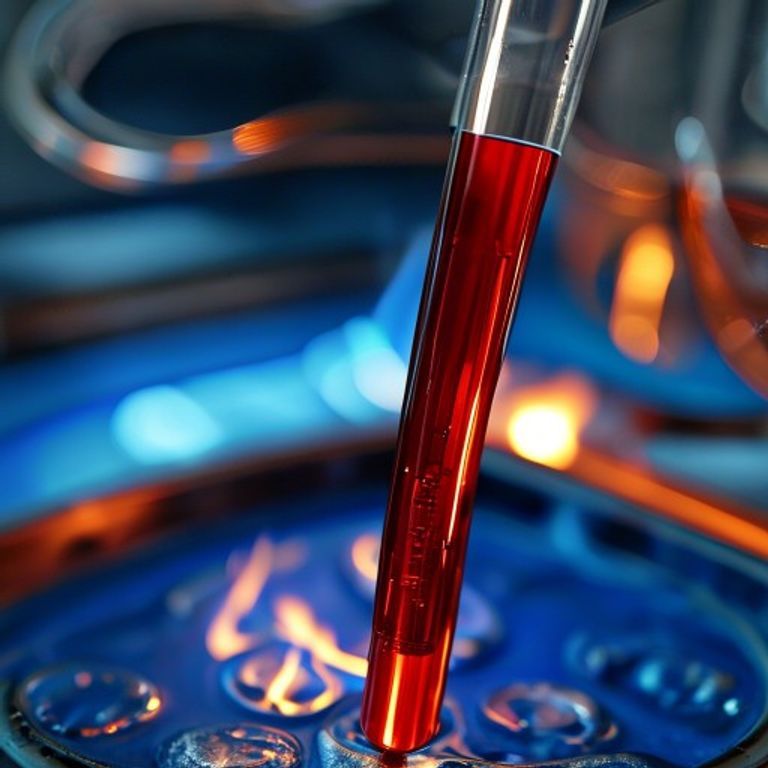
Le rôle essentiel d'un support de tube d'essai : fonctions, conseils de sécurité et utilisations pratiques

Présentation
Quand on entre dans un laboratoire de chimie, la première chose que l'on remarque souvent est la gamme de verrerie—Des béchers, des flacons et bien sûr des tubes d'essai. Pourtant, un outil humble qui obtient rarement le feu porte-tube d'essai. Pensez-y comme la "main" qui protège à la fois vous et le verre quand vous êtes chauffage ou déplacer un tube d'essai. Dans cet article, je vais vous guider Utilisation d'un support de tube d'essai, comment le gérer en toute sécurité, et pourquoi il est un must-have dans chaque expérience.
Quelle est l'utilisation principale d'un porte-tube d'essai?
Le travail principal d'un porte-tube d'essai est simple: pour saisir solidement un tube d'essai pendant qu'il est chauffé, transféré ou positionné. Sans elle, vous devrez tenir le tube avec vos mains nues, ce qui est risqué parce que le verre peut devenir brûlant en quelques secondes. Le support des mâchoires métalliques agissent comme une paire de pinces, vous donnant un contrôle ferme sans contact direct.
Fonctions clés
- Tenir les articles en verre chaud: Parfait pour chauffer les tubes d'essai sur un brûleur Bunsen.
- Stabilisation pendant les réactions : Garde le tube stable pendant que vous ajoutez des réactifs.
- Faciliter le positionnement précis : Permet d'orienter le tube pour une exposition optimale à la chaleur.
Pourquoi les laboratoires utilisent-ils des porte-tubes d'essai?
Au-delà de l'angle de sécurité évident, les porte-tubes d'essai contribuent à l'efficacité globale d'un laboratoire. Ils libèrent vos mains, réduisent les risques de déversement accidentel et aident à maintenir un espace de travail bien rangé. Dans les expériences chimiques où le timing et la précision de la matière, avoir un support fiable peut être la différence entre une réaction réussie et un nettoyage désordonné.
Comment utiliser un support de tube d'essai en toute sécurité
Même si un porte-tube d'essai est conçu pour la sécurité, une mauvaise utilisation peut encore entraîner des accidents. Voici une liste de contrôle rapide que nous suivons dans le laboratoire:
- Inspecter d'abord le titulaire: Cherchez les mâchoires courbées ou les vis lâches.
- Poignez le tube près du haut: Cela empêche le support de glisser et de casser le verre.
- Éviter tout contact direct avec les flammes: Tenez le tube sous un angle, en gardant le support lui-même loin de la flamme du brûleur Bunsen.
- Utiliser des gants résistants à la chaleur: Pour une protection accrue, surtout lors de la manipulation de tubes très chauds.
- Ne jamais dépasser: Gardez les bras du titulaire dans une plage confortable pour maintenir le contrôle.
Exemple d'étape par étape : Chauffage d'un tube d'essai sur un brûleur Bunsen
- Fermez le support du tube d'essai sur un support solide.
- Insérez le tube d'essai dans le support, le positionnant ainsi les faces ouvertes loin de la flamme.
- Allumez le brûleur Bunsen et ajustez la flamme à un cône bleu bas.
- Faites glisser le tube d'essai dans la flamme, en tournant lentement pour un chauffage uniforme.
- Lorsque la réaction est terminée, utilisez le support pour soulever le tube et le placer sur un tapis résistant à la chaleur.
Si vous êtes intéressé à maîtriser la flamme elle-même, consultez notre guide sur fonctionnement du brûleur pour des conseils détaillés.
Importance des porte-tubes d'essai dans les expériences
On compare un porte-tube à une ceinture de sécurité dans une voiture. Les deux sont des dispositifs simples, mais ils augmentent considérablement la sécurité. Au laboratoire, le titulaire :
- Prévient les brûlures aux doigts.
- Réduit la rupture de la verrerie chère.
- Vous permet de vous concentrer sur la réaction chimique plutôt que de vous soucier de la manipulation du tube.
- Soutient des conditions expérimentales cohérentes, essentielles à la reproductibilité.
Choisir le porte-tube d'essai droit
Tous les détenteurs ne sont pas égaux. Voici quelques facteurs à considérer :
- Matérielle L'acier inoxydable est durable et facile à nettoyer.
- Conception de la mâchoire : Les mâchoires arrondies protègent le verre délicat, tandis que les mâchoires dentelées offrent une poignée plus serrée.
- Longueur : Des poignées plus longues vous donnent plus de dégagement de la flamme.
- Compatibilité: Certains supports peuvent se fixer à un trépied, ce qui est pratique pour les configurations multitubes. En savoir plus sur la trépied de laboratoire pour un positionnement polyvalent.
Conseils pratiques pour le travail de laboratoire quotidien
Voici quelques hacks rapides que nous utilisons:
- Etiquetez vos détenteurs : Color‑code them for different temperature ranges.
- Keep a spare: A broken holder can halt an experiment; having a backup saves time.
- Nettoyer après chaque utilisation: Residue can cause slippage and contamination.
Conclusion
In short, the test tube holder may seem like a minor accessory, but its role in équipement de sécurité de laboratoire is anything but minor. By understanding its purpose, using it correctly, and selecting the right model, we can protect ourselves, preserve our glassware, and ensure smoother, more reliable experiments. So the next time you reach for a Bunsen burner, don’t forget to grab your trusty test tube holder—your hands will thank you.
FAQ
Q: Can I use a test tube holder for other glassware?
A: It’s best suited for test tubes, but you can also grip small beakers or vials if the holder’s jaws fit snugly.
Q: How hot can a test tube get before the holder becomes unsafe?
A: Most stainless‑steel holders can handle temperatures up to 300 °C. Always check the manufacturer’s specs.
Q: Do I need gloves if I’m using a holder?
A: Yes, especially for prolonged heating. Gloves add an extra layer of protection.
Q: What’s the difference between a test tube holder and crucible tongs?
A: Crucible tongs are designed for heavier, bulkier crucibles, while test tube holders are lightweight and angled for narrow tubes.
Q: Can I sterilize a test tube holder?
A: Absolutely—autoclave or soak in a disinfectant solution, then dry thoroughly.