


Le guide essentiel de la jauge des fils : utilisations, conseils et sécurité dans le laboratoire de chimie

Présentation
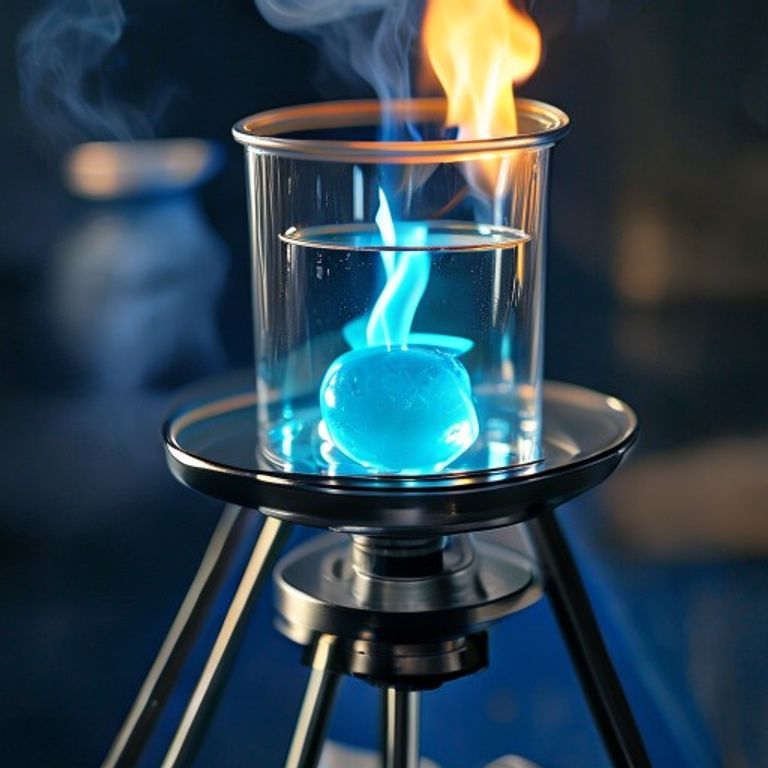
When I first stepped into a chemistry lab, the first thing that caught my eye was the humble toile métallique sitting on a tripod stand, looking like a simple metal mesh. It may seem unremarkable, but this little tool is a workhorse for heating experiments. In this article, I’ll walk you through what wire gauze is, why it’s indispensable in the lab, how to use it safely, and some practical tips that can save you time and trouble.
What Is Wire Gauze?
Wire gauze (sometimes called a ceramic support) is a thin sheet of metal—usually stainless steel or nickel-chromium—coated with a layer of ceramic. The ceramic center distributes heat evenly and protects the metal from direct flame, while the surrounding metal mesh provides stability.
- Matérielle Metal mesh with a ceramic core.
- Forme : Typically round or square, designed to fit standard tripod heads.
- Taille: Common diameters range from 4 cm to 10 cm.
Why Use Wire Gauze in the Laboratory?
La gaze filaire sert à trois fins principales :
- Même distribution de chaleur: The ceramic center spreads the flame’s heat, preventing hot spots that could scorch a beaker or cause uneven reactions.
- Stabilité: The metal mesh holds glassware securely on a tripod, reducing the risk of it tipping over.
- Protection: It shields the tripod’s metal legs from direct flame, extending the lifespan of your equipment.
If you’ve ever tried heating a solution directly over a Bunsen burner, you know how quickly a glass container can crack. Wire gauze acts like a “heat diffuser”—think of it as the cushion you place under a fragile vase when moving it.
How to Properly Use Wire Gauze
Here’s my step‑by‑step routine for setting up a heating experiment:
- Assemble the Tripod: Place the tripod stand on a stable bench.
- Positionner la jauge de fil: Center the gauze on the tripod head. Make sure the ceramic side faces up.
- Placez votre verrerie : Set the beaker, flask, or test tube directly on the gauze. If you’re using a large container, you may need a second layer of gauze for extra support.
- Light the Bunsen Burner: Adjust the flame to a moderate size—too high and you’ll waste heat; too low and the solution may not reach the desired temperature.
- Monitor the Temperature: Use a thermometer or a digital sensor to keep the reaction within safe limits.
For a deeper dive into choosing the right stand, check out this trépied guide, which explains how different tripod designs affect stability.
Common Mistakes & Safety Tips
Even seasoned chemists can slip up. Below are the pitfalls I’ve seen and how to avoid them:
- Using the wrong side: Placing the metal mesh side up defeats the purpose of the ceramic diffuser. Always face the ceramic side upward.
- Overloading the gauze: A beaker that’s too heavy can deform the mesh, leading to cracks in the glass. Keep the load within the gauze’s rating.
- Skipping the tripod: Directly placing glassware over a flame without a gauze or tripod is a recipe for disaster.
- Neglecting cleaning: Residue can build up on the ceramic surface, reducing heat transfer. Gently brush the gauze after each use.
Wire Gauze vs. Alternatives
Some labs use alternatives like ceramic plates or sand baths. Here’s a quick comparison:
| Fonctionnalité | Toile métallique | Ceramic Plate | Sand Bath |
|---|---|---|---|
| Distribution de chaleur | Good (ceramic center) | Excellent (solid ceramic) | Very Uniform |
| Portabilité | Haut | Medium | Low (requires container) |
| Coût | Faible | Medium | Higher |
For most routine heating tasks, wire gauze offers the best balance of cost, convenience, and performance.
FAQ
What is wire gauze used for?
It’s primarily used to support glassware on a tripod stand and to diffuse heat from a Bunsen burner, ensuring even heating and protecting the glass.
Can I use wire gauze without a tripod?
It’s not recommended. The tripod provides the necessary stability; without it, the gauze may collapse or shift, leading to spills or breakage.
Combien de fois dois-je remplacer la gaze filaire ?
Inspect it regularly. If the ceramic coating cracks or the metal mesh becomes deformed, replace it. Typically, a gauze lasts 1–2 years with regular use.
Is wire gauze safe for high‑temperature reactions?
Most wire gauze is rated up to 500 °C (932 °F). For higher temperatures, consider a dedicated high‑temperature ceramic plate.
Can I clean wire gauze with water?
Yes, but use a soft brush and avoid abrasive cleaners that could damage the ceramic layer.
Conclusion
Wire gauze may look simple, but it’s a critical piece of laboratory equipment that ensures safe, even heating for countless experiments. By understanding its purpose, using it correctly on a sturdy trépied de laboratoire, and following basic safety practices, you’ll keep your glassware intact and your reactions on track. Next time you set up a heating experiment, give a little thanks to that unassuming mesh—it’s doing a lot more than meets the eye.







