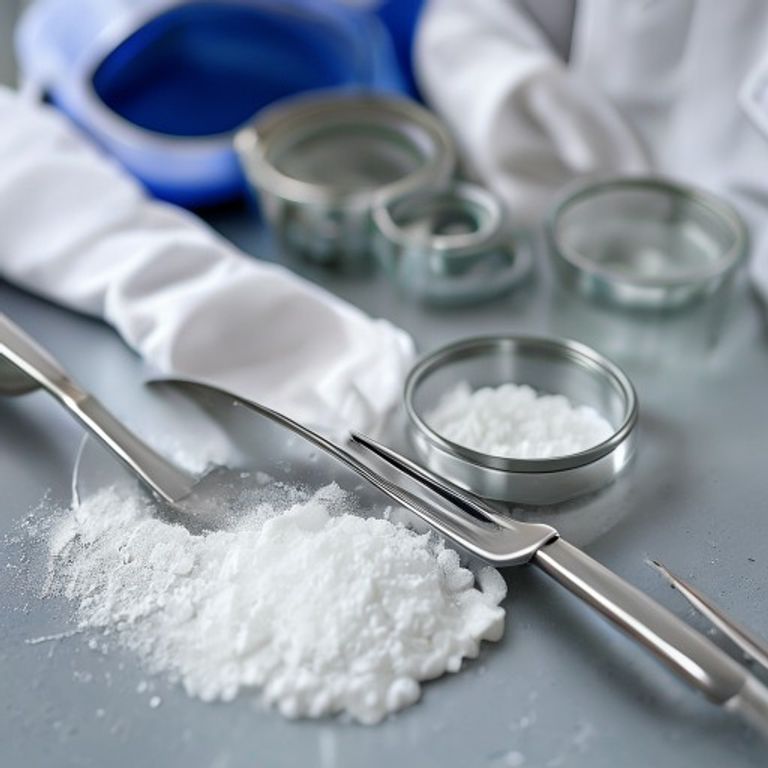
Mastering Chimie Spatule Utilisation: Conseils pratiques, types et directives de sécurité

Présentation
When I first stepped into a chemistry lab, the humble spatula seemed like just another piece of plastic. Yet, over the years I’ve learned that the right spatula can be the difference between a clean experiment and a contaminated mess. In this article we’ll explore how to use a spatula in a chemistry lab, the various types available, why keeping them clean matters, and the safety rules that keep our work safe and reliable.
How to Use a Spatula in a Chemistry Lab
Using a spatula may sound simple, but treating it like a precision tool yields better results. Here’s my step‑by‑step routine:
- Identify the material – check if the spatula is metal, plastic, or PTFE. Metal works for heavy powders; PTFE is best for reactive chemicals.
- Grab the right amount – use the tip for a pinch, the shallow side for a scoop, and the flat edge for spreading.
- Transfer gently – tilt the container slightly, let the powder slide onto the spatula, then move it to the receiving vessel in one smooth motion.
- Tap to settle – a light tap on the side of the container releases any clingy particles.
This method minimizes loss and prevents cross‑contamination, especially when dealing with hygroscopic or toxic powders.
Types of Spatulas for Chemical Experiments
Just like there are different knives for cooking, there are several spatula designs for lab work:
- Spatules plates – ideal for scraping residues from beakers.
- Scoopulas (or scoop spatulas) – shallow bowls that hold a measurable amount of powder.
- Stainless‑steel spatulas – durable, heat‑resistant, perfect for high‑temperature transfers.
- PTFE (Teflon) spatulas – chemically inert, great for corrosive reagents.
- Spatules en plastique – disposable, useful for single‑use applications.
If you need a quick refresher on another essential lab tool, check out the glass rod definition article, which explains how a simple rod can complement spatula work in stirring and mixing.
Importance of Clean Spatulas in Chemistry
Cleaning might feel like a chore, but it’s a cornerstone of reproducible results. Residual chemicals can act as unwanted catalysts or contaminants. Here’s my quick cleaning checklist:
- Rinse with distilled water immediately after use.
- Soak in a suitable solvent (acetone for organics, dilute acid for metals).
- Scrub gently with a soft brush – avoid metal brushes that can scratch PTFE.
- Dry with lint‑free tissue or let air‑dry in a dust‑free area.
Remember, a clean spatula is as important as a calibrated balance. For more on maintaining lab accuracy, the ultimate guide to mastering the graduated cylinder offers complementary tips on precision handling.
Measuring Chemicals with a Laboratory Spatula
While a spatula isn’t a scale, it can help you approximate amounts when a balance isn’t handy. Many labs use “spoonful” standards:
- One level scoopula ≈ 0.5 g of fine powder.
- Two level scoops ≈ 1 g.
- Tip of the spatula for < 0.1 g.
These approximations work well for routine prep, but always confirm with a balance before critical measurements.
Directives de sécurité pour l'utilisation des spatules en chimie
Safety is non‑negotiable. Here are the rules I never skip:
- Wear proper PPE – gloves, goggles, and lab coat.
- Label the spatula if you’re using it for a specific reagent.
- Avoid cross‑use – never use a spatula that touched a hazardous chemical for a benign one without thorough cleaning.
- Dispose of damaged spatulas – cracks can harbor residues.
- Know the material compatibility – PTFE won’t react with most acids, but it can melt above 260 °C.
FAQ
What is the difference between a spatula and a scoopula?
A spatula is generally flat and used for scraping or spreading, while a scoopula has a shallow bowl designed to hold and transfer measured amounts of powder.
Puis-je utiliser une spatule métallique avec des acides forts?
Only if the metal is corrosion‑resistant (e.g., stainless steel). For strong acids, PTFE or disposable plastic spatulas are safer.
Combien de fois dois-je remplacer mes spatules?
Replace disposable plastic spatulas after each use. Reusable metal or PTFE spatulas should be inspected regularly for wear and replaced when scratches or cracks appear.
Is it okay to rinse a spatula with water after handling organic solvents?
First rinse with a compatible solvent (like acetone) to remove the organic residue, then finish with distilled water.
Can I use a spatula to stir solutions?
For small volumes, a spatula can help mix powders into liquids, but for thorough stirring, a glass rod or magnetic stirrer is more efficient.
Conclusion
Maîtriser chemistry spatula use isn’t about fancy equipment; it’s about treating the spatula as a precise, clean, and safe tool. By choosing the right type, keeping it spotless, measuring wisely, and following safety protocols, we can boost the reliability of every experiment. So next time you pick up a spatula, remember: it’s more than a plastic scoop – it’s a key player in your lab’s success.