

Décoder la stabilité : la science fascinante derrière pourquoi les trépieds fonctionnent si bien

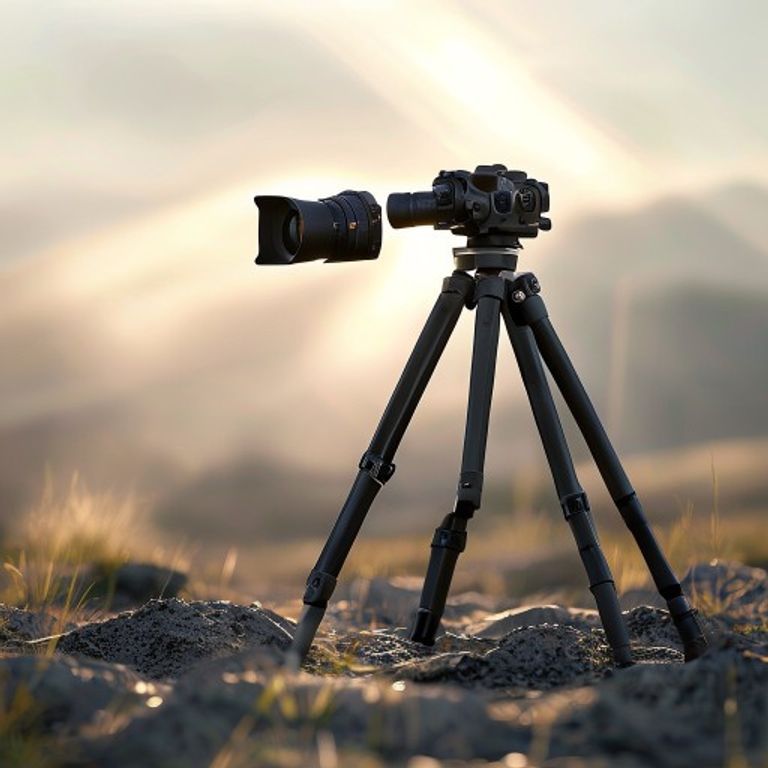
Vous êtes-vous déjà demandé pourquoi un simple stand à trois pattes, comme un trépied de caméra ou même un tabouret, se sent incroyablement stable ? Il n'est pas seulement magique ; il est pur Sciences des trépiedsAujourd'hui, nous allons plonger dans le monde fascinant de la physique et de l'ingénierie qui rend ces appareils humbles si robustes. Nous explorerons tout, des principes fondamentaux aux matériaux frais qui rendent les trépieds modernes super légers mais forts.
Pour nous photographes, vidéographes, ou même techniciens de laboratoire utilisant des équipements précis, la stabilité est primordiale. Une configuration agitée peut ruiner un tir parfait ou déformer des mesures cruciales. Voilà pourquoi comprendre comment un trépied atteint la stabilité n'est pas seulement académique ; c'est incroyablement pratique. Laissez-les éplucher et découvrir les secrets !
Principes fondamentaux de la conception des trépieds
À son cœur, la stabilité d'un trépied revient à quelques principes géométriques et physiques de base. Pensez à cela: un point est intrinsèquement instable, une ligne a une stabilité limitée, mais un plan défini par trois points est inébranlable. C'est pourquoi trois jambes sont l'endroit idéal.
Pourquoi les trépieds sont - ils intrinsèquement stables? Le pouvoir des trois
Imaginez essayer d'équilibrer une table avec deux jambes. Impossible, non ? Ajouter une troisième jambe, et soudain, elle est parfaitement ferme. C'est parce que trois points définissent un seul et unique plan dans l'espace. Peu importe l'inégalité de la surface, les trois jambes peuvent toujours toucher le sol simultanément, répartir le poids uniformément et empêcher tout basculement ou basculement. Avec quatre jambes, si le sol n'est pas parfaitement plat, une jambe va inévitablement décoller, rendant toute la structure agitée. Cette simple vérité géométrique est le substrat de la physique derrière les supports à trois pattes.
Comprendre le centre de gravité et la base de soutien
Lorsque nous parlons de stabilité, deux termes clés apparaissent toujours : Centre de Gravité (CoG) et Base d ' appui - Oui. Pour un trépied, le CoG est l'endroit où se concentre tout le poids du trépied et tout ce qui est monté dessus (comme votre appareil photo). Le BoS, par contre, est la zone sur le sol fermée par le trépied de trois pieds. Plus la base de support est large et plus le centre de gravité est bas par rapport à cette base, plus le système devient stable. C'est comme essayer d'écraser une pyramide contre une grande tour maigre – la pyramide est beaucoup plus difficile à renverser parce que son CoG est bas et son BoS est large.
C'est pourquoi vous voyez souvent des jambes trépieds évasées, surtout lorsque vous transportez des équipements lourds. Nous maximisons cette base de soutien pour améliorer stabilité et capacité de charge.
Au-delà de la géométrie : la science des matériaux dans la construction de trépieds légers
Alors que le principe des trois jambes est crucial, les trépieds modernes offrent bien plus que de la bonne géométrie. Science des matériaux dans la construction de trépieds légers joue un rôle important dans leur performance.
Aluminium: Le cheval de travail robuste
Depuis longtemps, l'aluminium est le matériau d'entrée. Il est relativement peu coûteux, fort et raisonnablement léger. Les trépieds en aluminium offrent excellent capacité de charge pour leur poids et sont assez robustes pour gérer un peu de traitement rugueux. Ils sont un choix fantastique pour une utilisation générale.
Fibre de carbone : le champion de poids plume
If you’re serious about portability without sacrificing strength, carbon fiber is your best friend. This material is incredibly stiff and significantly lighter than aluminum. Think of it like a superhero material – strong enough to support heavy gear, but so light you barely notice it in your backpack. The stiffness of carbon fiber also contributes to better vibration dampening, which is crucial for sharp photos, especially with longer exposures.
Alliages et composites avancés
Beyond aluminum and carbon fiber, manufacturers are constantly experimenting with other advanced alloys and composite materials. These innovations aim to push the boundaries of strength-to-weight ratios, further improving portability and performance. The goal is always to create a tripod that can withstand heavy loads, resist flex, and absorb vibrations, all while being as light as possible for us to carry around.
Applications pratiques et solutions
Understanding tripod science isn’t just about knowing the “why”; it’s about applying that knowledge to get better results. Here are some practical tips:
- Spread Your Legs: Always splay your tripod legs as wide as comfortably possible, especially on uneven terrain or when using heavy lenses. This expands your base of support.
- Lower the Center of Gravity: Avoid extending the center column unless absolutely necessary. Keeping your camera lower to the ground drastically improves stability. If you must use the center column, consider hanging a weight from its hook (if available) to lower the combined CoG.
- Check Your Head: The tripod head is just as important as the legs. A flimsy head can negate the stability of even the best legs. Choose a head with adequate capacité de charge for your gear and one that locks securely.
- Mind the Wind: In windy conditions, stability becomes even more critical. Consider using sandbags on the legs or deploying your tripod behind a windbreak.
- Vibration Dampening: For critical work, think about using rubber feet instead of spikes on hard surfaces to absorb minor vibrations. Carbon fiber is generally better at dampening vibrations than aluminum.
Conclusion
So, there you have it – a deeper look into the world of Sciences des trépieds. From the fundamental geometry that makes three legs inherently stable to the cutting-edge material science that gives us incredibly lightweight and strong options, there’s a lot more going on than meets the eye. The next time you set up your camera or place a delicate instrument on a tripod, I hope you’ll appreciate the clever engineering and physics working silently to keep everything steady and secure. It’s a testament to simple, elegant design principles creating profound practical solutions.
FAQ À propos de Tripod Science
Q: Pourquoi la plupart des trépieds sont faits avec trois jambes au lieu de quatre ou plus?
A: Three points define a unique plane in space. This means that no matter how uneven the surface, all three legs can always make contact with the ground simultaneously, providing inherent stabilité. With four or more legs, it’s very difficult for all points to touch an uneven surface, leading to wobbling.
Q: La hauteur d'un trépied affecte-t-elle sa stabilité?
A: Yes, absolutely! The higher you extend your tripod, especially if you extend the center column, the higher your overall center of gravity becomes. A higher CoG makes the setup more susceptible to tipping and reduces overall stability. For maximum stability, keep the tripod as low as possible and avoid extending the center column.
Q: La fibre de carbone est-elle toujours meilleure que l'aluminium pour les trépieds?
A: Carbon fiber generally offers a better strength-to-weight ratio and superior vibration dampening compared to aluminum, making it lighter and often stiffer for a given load capacity. However, carbon fiber tripods are usually more expensive. Aluminum tripods are still excellent, robust, and more budget-friendly options, especially if weight isn’t your absolute top priority.
Q: Comment puis-je améliorer la stabilité de mon trépied par jour venteux?
A: Several ways! First, keep the tripod as low as possible and spread the legs wide. Avoid extending the center column. If your tripod has a hook beneath the center column, hang a weight (like your camera bag filled with heavy items) to lower the center of gravity. Also, consider using sandbags on the legs or positioning the tripod to shield it from direct wind.