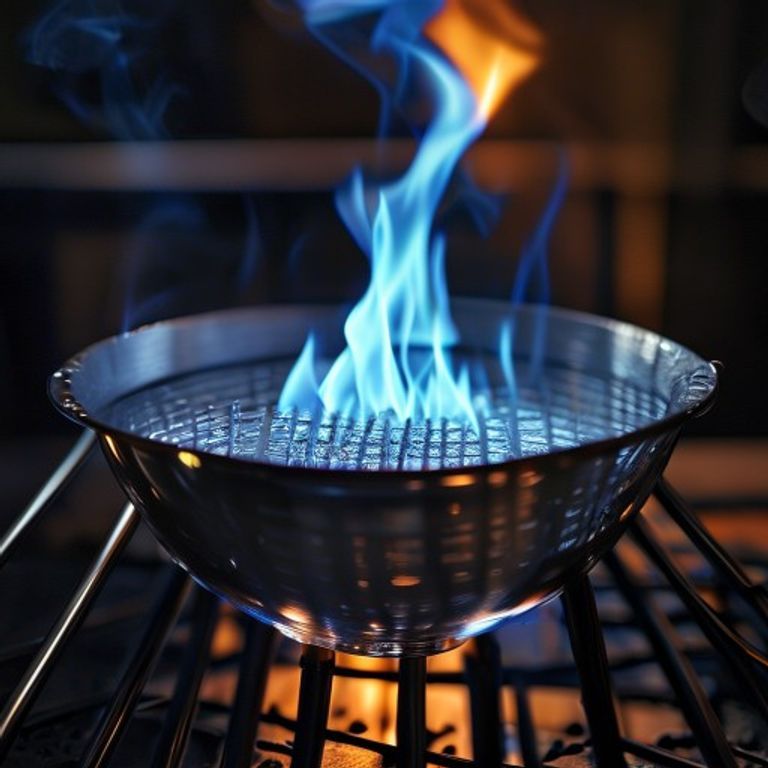
Understanding the Wire Gauze Function: Heat Distribution, Safety, and Flame Control in the Chemistry Lab

Introduction
When I first set up a Bunsen burner for a simple heating experiment, I noticed a metal mesh sitting right under the flame. That humble piece of equipment is the wire gauze, and its role goes far beyond just looking like a kitchen strainer. In this article, I’ll walk you through the wire gauze function—how it spreads heat, protects glassware, and enhances safety in the lab. Whether you’re a student, a hobbyist, or a seasoned researcher, understanding this tool can make your experiments smoother and safer.
How Wire Gauze Distributes Heat
The primary job of a wire gauze is to act as a heat diffuser. Think of it as a tiny metal “sponge” that soaks up the intense flame and releases it more evenly across the surface of your crucible or beaker.
- Heat diffusion metal mesh: The interlaced wires create countless tiny pathways for heat to travel, reducing hot spots.
- Thermal conductivity of wire gauze: Made from stainless steel or nickel‑chrome alloy, the gauze conducts heat quickly, ensuring the temperature spreads uniformly.
- Flame spread prevention: By breaking the direct contact between flame and glassware, the gauze prevents sudden temperature spikes that could cause cracking.
Wire Gauze in Bunsen Burners: The Function Explained
When you place a crucible on a Bunsen burner, the gauze sits between the flame and the metal container. This setup offers three practical benefits:
- Even heating: The mesh spreads the flame’s energy, giving a consistent temperature across the entire bottom of the crucible.
- Protection for glassware: If you’re heating a test tube or a beaker, the gauze reduces the risk of direct flame contact, which can cause thermal shock.
- Flame control: By moderating the heat, you can achieve a gentler, more controllable flame—perfect for delicate reactions.
For a deeper dive into the overall role of wire gauze, check out the wire gauze function in the laboratory guide.
Supporting Glassware and Crucibles
Beyond heat diffusion, the gauze serves as a sturdy platform. It supports:
- Crucibles: Provides a flat, stable base that prevents tipping during high‑temperature work.
- Tripod stands: When used together with a tripod, the gauze creates a versatile heating surface for larger vessels.
Speaking of tripods, the tripod stand uses in chemistry labs article explains how these tools complement each other for optimal support.
Safety Role of Wire Gauze
Safety is a top priority in any lab, and the wire gauze contributes in several ways:
- Reduces fire hazards: By dispersing flame, the gauze lowers the chance of igniting nearby flammable materials.
- Prevents glass breakage: Even heat distribution minimizes thermal stress on glassware, reducing accidental breakage.
- Easy to clean: A quick tap or brush removes residue, keeping the workspace tidy and reducing cross‑contamination.
Practical Tips for Using Wire Gauze Effectively
Here are some simple practices I follow to get the most out of my gauze:
- Always place the gauze on a stable support (ring stand, tripod, or Bunsen burner base).
- Make sure the mesh is clean and free of debris before each use.
- If you need extra stability, use a ceramic tile or a metal plate underneath the gauze.
- Never exceed the temperature rating of the gauze (usually printed on the edge).
Conclusion
The wire gauze function is a blend of heat diffusion, support, and safety. By spreading flame evenly, protecting glassware, and lowering fire risks, it becomes an indispensable piece of laboratory equipment. Next time you set up a Bunsen burner, give a nod to that simple metal mesh—it’s doing a lot more work than meets the eye.
FAQ
What material is wire gauze usually made of?
Most wire gauzes are made from stainless steel or a nickel‑chrome alloy, both of which offer high thermal conductivity and corrosion resistance.
Can I use wire gauze with any type of flame?
Yes, but it works best with Bunsen burners or similar open‑flame devices. For very high‑temperature furnaces, a specialized ceramic mat may be required.
How often should I replace my wire gauze?
If you notice warping, rust, or persistent cracks, it’s time to replace it. Regular visual inspections after each use are a good habit.
Does the size of the gauze matter?
Choose a gauze that slightly exceeds the diameter of the vessel you’re heating. This ensures complete coverage and optimal heat distribution.
Is it safe to use wire gauze with open containers of volatile liquids?
Exercise caution. While the gauze reduces direct flame contact, volatile liquids still pose a risk. Use a fume hood and keep the flame low.