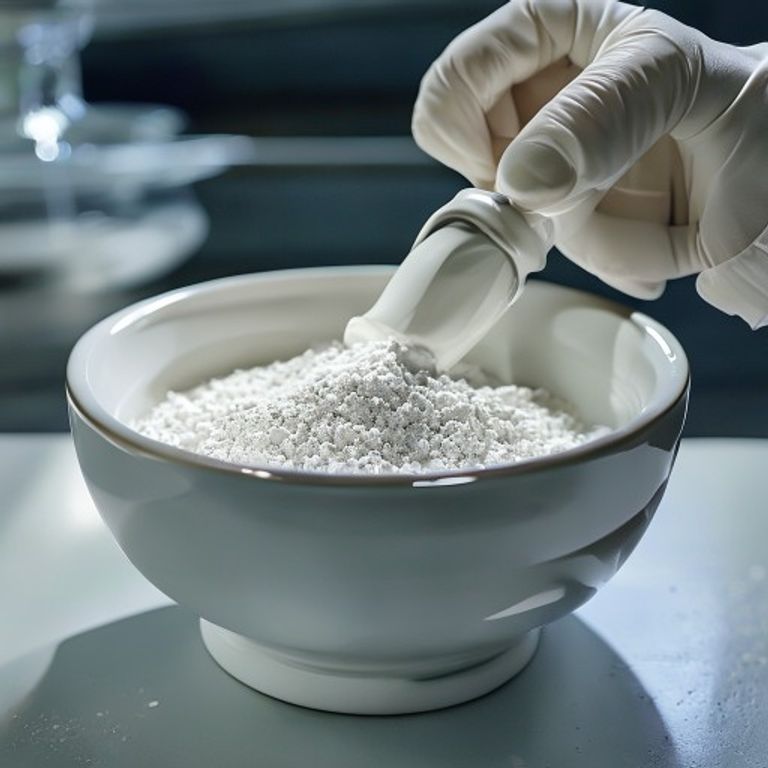
Mastering the Laboratory Mortar and Pestle: Practical Tips, Cleaning Hacks, and Safety Guidelines

Introduction
When I first stepped into a chemistry lab, the humble mortar and pestle looked like a relic from an old pharmacy. Today, I realize it’s one of the most versatile pieces of manual grinding equipment we have. Whether you’re preparing a tiny sample for spectroscopy or grinding a bulk pharmaceutical compound, the right technique can make the difference between a homogeneous mixture and a frustrating mess. In this article, I’ll share how to use a mortar and pestle for sample preparation, the best cleaning procedures, material choices for chemical analysis, grinding techniques for pharmaceuticals, and essential safety guidelines.
Choosing the Right Mortar and Pestle Material
Not all mortars are created equal. The bowl composition and pestle material directly affect grinding efficiency and chemical compatibility.
- Porcelain: Ideal for most organic solvents and powders. It’s hard, non‑porous, and easy to clean, but can chip if you hit it too hard.
- Stainless Steel: Perfect for abrasive or corrosive samples (e.g., strong acids). It’s durable, but can retain metallic residues if not cleaned properly.
- Glass: Good for visual monitoring of the grinding process. However, it’s fragile and not recommended for very hard substances.
- Agate (or other ceramic composites): Offers the highest grinding efficiency for fine powders and is chemically inert, making it a top choice for high‑precision pharmaceutical work.
For most routine chemistry work, a porcelain mortar and pestle strikes the best balance of cost, durability, and chemical resistance.
How to Use a Mortar and Pestle for Sample Preparation
Think of the mortar as a tiny kitchen bowl and the pestle as your spoon. Here’s a step‑by‑step routine I follow:
- Pre‑wet the surface (if needed): Add a few drops of a compatible solvent (e.g., ethanol) to reduce static and improve particle flow.
- Add the sample: Start with a small amount—usually no more than one‑third of the bowl’s volume—to allow free movement.
- Apply steady pressure: Use a circular motion, pressing down gently. The goal is to crush particles, not to smash the bowl.
- Scrape the sides: Periodically use a spatula to collect material that sticks to the walls.
- Check homogeneity: Stop when the mixture looks uniform or reaches the desired particle size.
For tougher samples, you can alternate between gentle grinding and short bursts of more forceful pounding—much like kneading dough.
Grinding Techniques for Pharmaceuticals
Pharmaceutical compounds often require a very fine, consistent particle size to ensure proper dissolution. Here are two techniques I rely on:
- Dry grinding: Ideal for stable compounds. Use a pestle with a slightly rough surface (e.g., agate) and grind in short 30‑second intervals, pausing to prevent overheating.
- Wet grinding: Add a minimal amount of non‑reactive liquid (like water or a buffered solution) to keep the powder from generating static and to achieve finer particles. This method also helps in preventing degradation of heat‑sensitive drugs.
Remember to always verify the final particle size with a sieve or microscope before moving on to the next step in your formulation.
Cleaning Procedures for Laboratory Mortar and Pestle
Residue left behind can contaminate future experiments, so a thorough cleaning routine is non‑negotiable.
- Rinse immediately: After use, rinse the bowl and pestle with the same solvent you used for grinding.
- Soak in a cleaning solution: A mixture of warm water and mild detergent (or a laboratory‑grade enzymatic cleaner) works well for most organic residues.
- Scrub gently: Use a soft brush or non‑abrasive pad to avoid scratching porcelain or glass surfaces.
- Rinse with distilled water: This removes any detergent traces that could interfere with later analyses.
- Dry completely: Air‑dry or use a lint‑free cloth. For metal mortars, a quick wipe with a lint‑free tissue soaked in acetone can eliminate moisture.
If you’re dealing with stubborn chemical residues, a brief soak in a dilute acid (e.g., 5% nitric acid) followed by thorough rinsing can help—just be sure the material of your mortar can tolerate the acid.
Safety Guidelines for Using a Mortar and Pestle in the Lab
Even though the mortar and pestle are low‑tech, safety still matters:
- Wear appropriate PPE: Lab coat, safety goggles, and gloves (choose glove material compatible with the chemicals you’re handling).
- Work in a fume hood: Especially when grinding volatile or hazardous substances.
- Avoid cross‑contamination: Never use the same mortar for incompatible chemicals without a thorough cleaning.
- Prevent breakage: Do not apply excessive force that could crack porcelain or glass. If the mortar cracks, discard it—fractured surfaces can harbor contaminants.
- Label the equipment: If you dedicate a mortar to a specific type of work (e.g., organic synthesis), label it to remind yourself and colleagues.
Integrating the Mortar and Pestle with Other Lab Tools
For a smooth workflow, combine the mortar with tools you already use. For example, after grinding a solid sample, you can transfer it directly into a ultimate guide to Erlenmeyer flasks for further dissolution or reaction. If you need to measure precise amounts, a calibrated spatula or a micro‑balance placed nearby makes the process efficient.
Conclusion
The laboratory mortar and pestle may look simple, but mastering its use can elevate the quality of your sample preparation, especially in chemical analysis and pharmaceutical research. By selecting the right material, applying proper grinding techniques, following strict cleaning protocols, and adhering to safety guidelines, you’ll achieve consistent, contaminant‑free results every time. So the next time you see that classic ceramic bowl on the bench, remember it’s not just a relic—it’s a powerful, hands‑on tool waiting to be put to work.
FAQ
Q: Can I use a metal pestle with a porcelain mortar?
A: Yes, but be careful—metal can chip porcelain if you press too hard. For abrasive samples, a stainless‑steel mortar is a safer match.
Q: How often should I replace my mortar and pestle?
A: Replace them when you notice cracks, chips, or persistent staining that cleaning can’t remove. Regular inspection is key.
Q: Is it okay to grind reactive metals in a porcelain mortar?
A: Not recommended. Reactive metals can cause abrasion and contamination. Use a dedicated stainless‑steel or agate mortar instead.
Q: What’s the best way to avoid static buildup when grinding powders?
A: Slightly wet the surface with a compatible solvent or use an anti‑static brush before grinding.
Q: Can I use the same mortar for both organic and inorganic samples?
A: It’s possible, but only if you perform a rigorous cleaning between uses. For high‑sensitivity work, keep separate mortars for each category.