The Ultimate Guide to Erlenmeyer Flasks: Types, Sizes, Cleaning & Practical Tips

Introduction
When I first stepped into a chemistry lab, the conical shape of the Erlenmeyer flask caught my eye. It’s more than just a pretty glass; it’s a versatile workhorse that shows up in everything from simple titrations to complex microbiology cultures. In this guide I’ll walk you through everything you need to know – the differences between an Erlenmeyer flask and a beaker, which material is best for your experiments, how to pick the right size, and the easiest ways to clean and even dispose of them safely.
What Is an Erlenmeyer Flask?
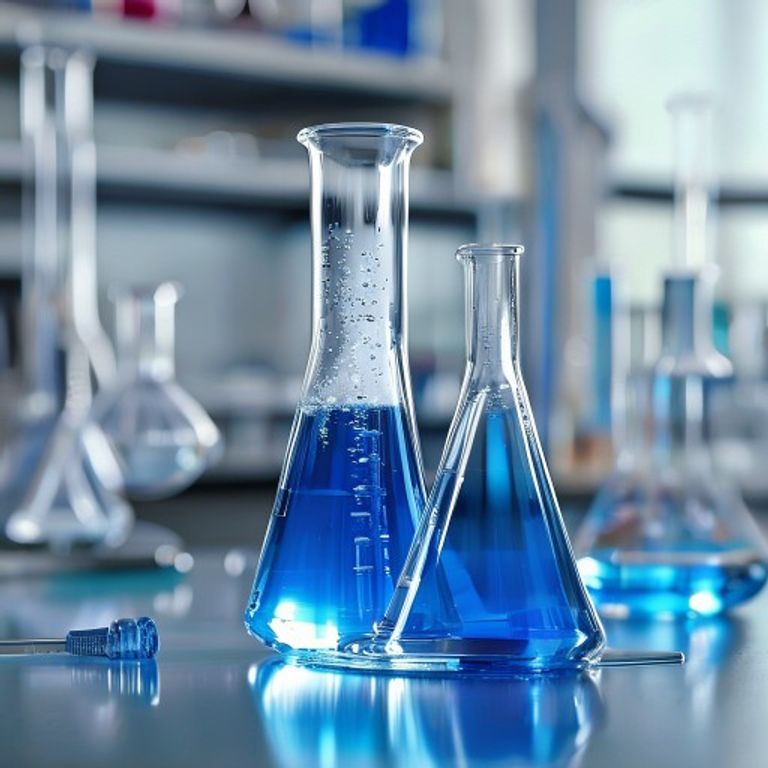
An Erlenmeyer flask, also called a conical flask, is a piece of laboratory glassware with a flat bottom, a conical body, and a narrow neck. The shape lets you swirl liquids without splashing, and the narrow neck can hold a stopper or a rubber septum for airtight work. Think of it as the “coffee mug” of the lab – designed for mixing, heating, and storing solutions.
Erlenmeyer Flask vs. Beaker: Key Differences
- Shape: The flask’s tapered sides reduce the risk of spills when you swirl, while a beaker’s straight walls are better for visual observation of reactions.
- Neck: The narrow neck of an Erlenmeyer allows for easy sealing; a beaker has an open top.
- Heat Distribution: Both are made for heating, but the flask’s shape concentrates heat at the bottom, making it ideal for gentle boiling.
- Volume Accuracy: Beakers often have larger graduation marks, whereas Erlenmeyer flasks are used more for relative volumes.
If you’re new to lab work, checking out a chemistry basics article can help you understand when to reach for a flask versus a beaker.
Choosing the Right Material
Erlenmeyer flasks come in several materials, each with pros and cons:
- Borosilicate Glass: The classic choice – resistant to thermal shock and most chemicals. Ideal for routine synthesis and heating.
- Plastic (Polypropylene or Polyethylene): Lightweight, break‑resistant, and autoclavable. Perfect for microbiology where sterilization is key.
- Quartz: Used for high‑temperature or UV applications, though it’s pricey.
For labs that frequently handle corrosive acids or need to heat solutions to near boiling, borosilicate glass is the best material. If you work with sterile cultures, a disposable polypropylene flask may save you time and reduce contamination risk.
Erlenmeyer Flask Size Chart for Common Experiments
Choosing the right volume prevents over‑filling and improves mixing efficiency. Below is a quick reference:
| Flask Size (mL) | Typical Use |
|---|---|
| 50 mL | Small‑scale reactions, titrations, sample prep |
| 125 mL | Standard microbiology cultures, medium‑scale synthesis |
| 250 mL | Medium‑volume reactions, reflux setups (with a condenser) |
| 500 mL | Large‑scale preparations, pre‑mixing reagents |
| 1 L | Bulk synthesis, fermentation starter cultures |
Remember the “one‑third rule”: never fill a flask beyond one‑third of its total volume if you plan to boil the solution – this leaves room for vapor expansion and prevents spillage.
How to Clean an Erlenmeyer Flask
Cleaning is where many labs waste time. Here’s a simple, step‑by‑step routine that works for glass and most plastics:
- Rinse immediately: Dump any leftover solution and rinse with distilled water to avoid residue buildup.
- Soak in detergent: Fill the flask with warm soapy water, let it sit for 10‑15 minutes.
- Scrub the interior: Use a glass brush that fits the neck; for plastics, a soft nylon brush avoids scratches.
- Rinse thoroughly: Run distilled water through the neck until no soap bubbles appear.
- Optional sterilization: Autoclave glass flasks at 121 °C for 15 minutes. For disposable plastic flasks, follow the manufacturer’s recommended sterilization method.
If you need a deeper clean for stubborn organic residues, a soak in a 10 % sodium hydroxide solution followed by a thorough rinse works wonders.
Disposable Erlenmeyer Flasks for Microbiology
In microbiology, sterility is king. Disposable polypropylene Erlenmeyer flasks are pre‑sterilized, lightweight, and can be sealed with snap‑cap lids. They’re perfect for:
- Small‑scale culture growth (50‑250 mL)
- Transporting sterile media between labs
- Quick experiments where cleaning time outweighs cost
Because they’re designed for single‑use, you eliminate the risk of cross‑contamination and reduce the workload of glassware sterilization.
Conclusion
Whether you’re a seasoned researcher or a student just learning the ropes, the Erlenmeyer flask is a versatile ally. By picking the right material, size, and cleaning method, you’ll keep your experiments running smoothly and safely. And when sterility is non‑negotiable, don’t overlook the convenience of disposable flasks.
FAQ
Q: Can I use a regular beaker instead of an Erlenmeyer flask for heating?
A: You can, but the flask’s narrow neck reduces splashing and allows you to attach a stopper or condenser more easily.
Q: Are all Erlenmeyer flasks autoclavable?
A: Glass borosilicate flasks are, but many plastic versions are only microwave‑sterilizable. Check the manufacturer’s specifications.
Q: How do I know which size to choose for a new reaction?
A: Follow the “one‑third rule” for boiling reactions and consider the total volume of reagents you’ll combine. The size chart above is a handy reference.
Q: What’s the best way to prevent glass breakage?
A: Avoid sudden temperature changes. Warm the flask gradually and never pour cold liquid into a hot flask.
Q: Can I recycle disposable Erlenmeyer flasks?
A: Many labs send them to a plastic recycling program, but always follow your institution’s waste‑management guidelines.