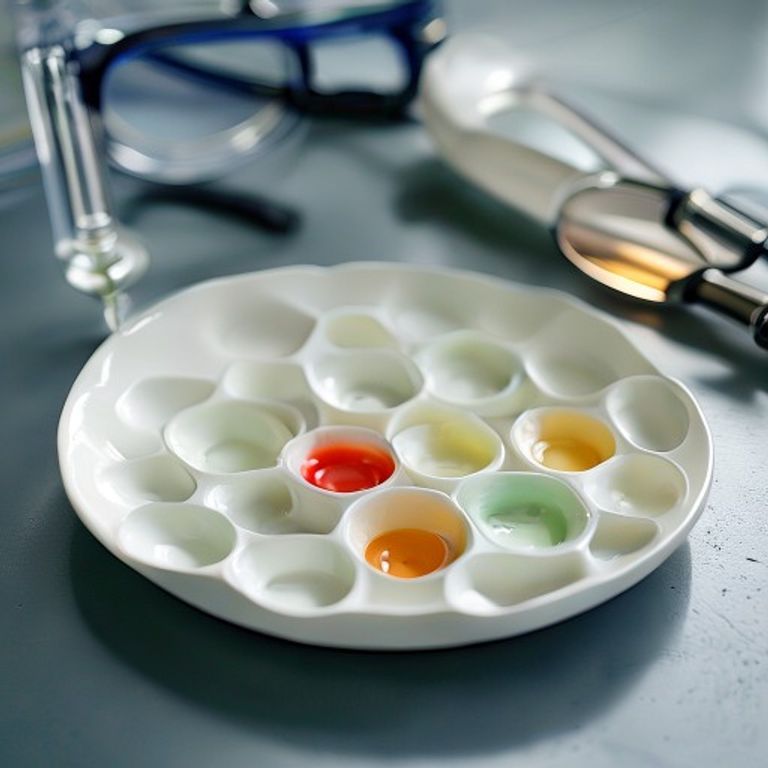
Spot Plate Essentials: How to Use, Clean, and Choose the Right One for Your Lab

Introduction
When I started experimenting in a small chemistry lab, the first thing I reached for was a test tube. Soon enough I realized that a spot plate could make my work faster, cleaner, and safer. A spot plate is a compact piece of laboratory equipment with multiple wells (or “spots”) that let you run several mini‑reactions side by side. In this article I’ll walk you through what a spot plate is used for, how to keep it spotless, why it often beats test tubes, and what to look for when buying one.
What Is a Spot Plate Used for in Chemistry?
A spot plate is essentially a miniature reaction platform. Here are the most common uses:
- Qualitative analysis: testing for the presence of ions or gases in small samples.
- Screening experiments: trying many conditions (pH, temperature, catalyst) at once.
- Indicator tests: observing colour changes of chemical indicators in separate wells.
- Teaching demonstrations: allowing students to see multiple reactions without handling many glassware.
If you’re new to chemistry, you might want to read a bit of chemistry basics first, because understanding the underlying reactions makes the spot plate even more powerful.
Ceramic Spot Plate with Wells for Lab – Why It’s a Game Changer
Most spot plates are made from either plastic or ceramic. The ceramic version feels like a sturdy kitchen tile and can handle higher temperatures and stronger acids. Each well is usually 1‑2 ml deep, perfect for dropping a few drops of solution and watching the magic happen.
Think of a ceramic spot plate as a “mini‑well plate” for the hobbyist: you get the durability of a lab‑grade material without the cost of a full‑size microplate.
How to Clean a Spot Plate After Use
Cleaning is where many beginners slip up. A dirty spot plate can contaminate the next experiment. Follow these steps for a sparkling plate:
- Rinse immediately: After you finish, pour distilled water into each well to dilute any residue.
- Soak in mild detergent: Fill the plate with warm soapy water and let it sit for 5‑10 minutes.
- Scrub gently: Use a soft brush or cotton swab to reach the bottom of each well.
- Rinse thoroughly: Run plenty of distilled water through all wells to remove soap.
- Dry: Invert the plate on a clean towel or let it air‑dry.
If you happen to spill a hazardous chemical, consult the lab safety showers guidelines and wear appropriate PPE before cleaning.
Advantages of Using a Spot Plate Over Test Tubes
Why bother with a spot plate when you already have test tubes? Here are the top benefits:
- Space‑saving: One plate replaces a dozen test tubes.
- Speed: You can add reagents to all wells at once, like sprinkling toppings on a pizza.
- Reduced waste: Only a few microliters are needed per well, cutting down on chemical consumption.
- Safety: Small volumes mean lower risk of splashes or spills.
- Easy observation: All reactions are visible on a single flat surface, making colour comparison a breeze.
Buying a Spot Plate for Chemical Reactions – What to Look For
When it’s time to purchase, keep these factors in mind:
- Material: Ceramic for heat‑resistant work; high‑density polyethylene (HDPE) for general use.
- Number of wells: Common options are 12, 24, or 48 wells. Choose based on how many parallel tests you plan.
- Well size: Deeper wells hold larger volumes; shallow wells are better for quick colour tests.
- Surface finish: A smooth, glazed surface is easier to clean.
- Compatibility: Make sure the plate fits your lab rack or holder.
Investing in a quality spot plate can save you time and money in the long run, especially if you frequently run screening experiments.
Conclusion
From quick indicator tests to multi‑condition screenings, a spot plate is a versatile, space‑saving tool that every chemist—novice or seasoned—should have in the bench drawer. By choosing the right material, cleaning it properly, and understanding its advantages over traditional test tubes, you’ll streamline your workflow and keep your experiments tidy. So next time you set up a reaction, give the spot plate a try; you’ll wonder how you ever labored without it.
FAQ
Q: Can I use a spot plate for heating reactions?
A: Ceramic plates tolerate moderate heat (up to ~150 °C). For higher temperatures, use a dedicated heating block or switch to a glass well plate.
Q: Are plastic spot plates safe for strong acids?
A: Most HDPE plates resist dilute acids, but concentrated acids can cause cracking. Stick to ceramic for aggressive reagents.
Q: How many times can I reuse a spot plate?
A: With proper cleaning, a ceramic plate can last years. Plastic plates may become scratched after many cycles, affecting accuracy.
Q: Do I need a special holder for a spot plate?
A: Many labs use a simple tray or a magnetic stir plate with a custom insert. Choose a holder that keeps the plate stable during mixing.
Q: Can I store chemicals directly in the wells?
A: Short‑term storage (minutes to a few hours) is fine, but long‑term storage should be in sealed containers to prevent evaporation.