


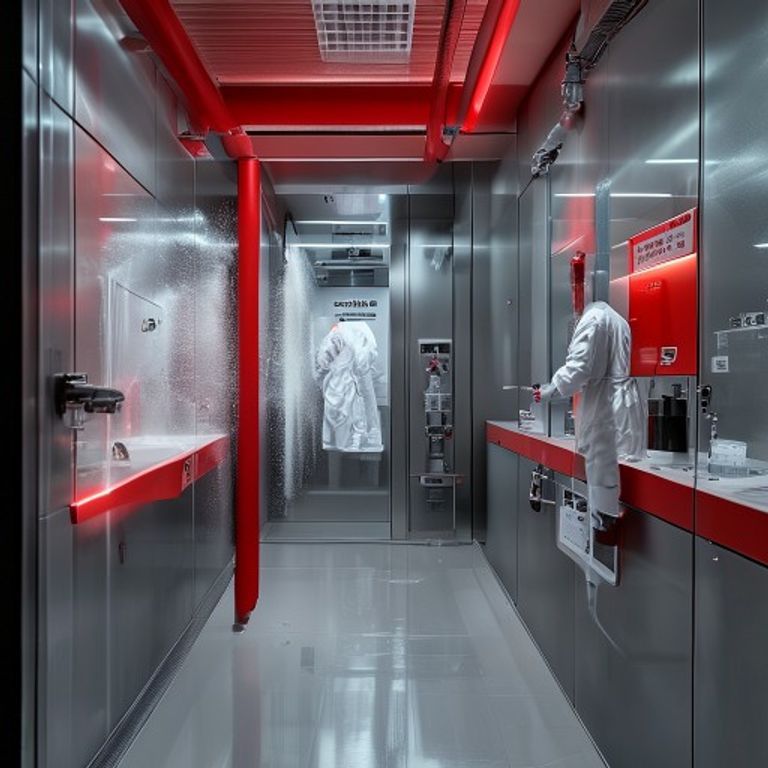
The Complete Guide to Lab Safety Showers: Installation, Best Practices, and Maintenance

Introduction
When we work with chemicals, accidents can happen in the blink of an eye. A splash of corrosive acid or a burst of solvent can turn a routine experiment into an emergency in seconds. That’s why a lab safety shower is a non‑negotiable piece of emergency decontamination equipment in any research lab. In this article I’ll walk you through everything you need to know – from choosing the right system to installing it, using it correctly, and keeping it in tip‑top shape. Think of it as a quick‑start manual that turns a potentially scary situation into a manageable one.
What Is a Lab Safety Shower?
A lab safety shower is a dedicated shower head (or a combination shower‑eyewash unit) that delivers a large volume of water to rinse away hazardous chemicals from a person’s body. Unlike a regular bathroom shower, it’s designed to activate instantly, deliver at least 20 gpm (gallons per minute), and run for a minimum of 15 minutes. The water temperature is usually tepid (around 70–100 °F) to avoid shock.
Chemical Spill Emergency: When to Use the Safety Shower
Not every spill needs a full shower – sometimes an eyewash station is enough. Here’s a simple rule of thumb:
- Large area coverage (arms, torso, legs) or chemical on skin → use the safety shower.
- Eyes or face only → head straight to the eyewash station.
If you’re ever unsure, it’s safer to use the shower first and then follow up with an eyewash if the eyes were affected.
How to Install a Safety Shower in a Laboratory
Installation might sound like a job for a plumber, but with a bit of planning you can oversee the process to ensure compliance with OSHA and local regulations.
- Location selection: Place the shower within 10 seconds (≈ 55 ft) of the hazard zone. It should be unobstructed and clearly marked.
- Plumbing requirements: Connect to a dedicated water supply that can sustain 20 gpm without dropping pressure. Use corrosion‑resistant pipes (PVC or stainless steel).
- Activation mechanism: Install a break‑glass or push‑button activation device at eye level. Test it weekly.
- Drainage: Ensure the floor drains quickly and complies with hazardous waste disposal rules.
- Signage: Post “Safety Shower – Activate in an Emergency” signs in both English and any local language.
For a deeper dive into related equipment, check out Choosing the Right Eyewash Station for Lab Safety – the principles of placement and compliance are very similar.
Best Practices for Using a Lab Safety Shower
Even the best‑installed shower is useless if we don’t know how to use it. Here are the steps I always follow (and train my team on):
- Activate immediately: Pull the alarm or break the glass – don’t waste a second.
- Remove contaminated clothing: Clothing can trap chemicals; pull it off while the water flows.
- Rinse thoroughly: Keep the water running for at least 15 minutes. If the chemical is water‑soluble, longer is better.
- Seek medical help: After rinsing, call the lab’s emergency response team or go to the nearest medical facility.
- Document the incident: Record what happened, the chemical involved, and any follow‑up actions.
Maintenance Schedule for Laboratory Safety Showers
Regular maintenance is the secret sauce that keeps the shower ready for the next emergency.
| Frequency | Task |
|---|---|
| Weekly | Activate the shower for 30 seconds to verify flow and temperature. |
| Monthly | Inspect hoses, activation devices, and signage for wear or damage. |
| Quarterly | Perform a full 15‑minute flow test; record flow rate. |
| Annually | Professional inspection of plumbing, drainage, and compliance with OSHA standards. |
Don’t forget to replace any clogged nozzles with the manufacturer’s recommended parts. A well‑maintained shower is like a reliable fire extinguisher – you hope you never need it, but you’re glad it works when you do.
Safety Shower vs Eyewash Station: When to Use Which
Both devices are essential, but they serve different purposes.
- Safety Shower: Designed for full‑body decontamination. Required when chemicals can affect large skin areas.
- Eyewash Station: Provides a gentle stream for eyes and face. Required when the hazard is primarily ocular.
If you’re setting up a new lab, you’ll often see a combined unit that offers both functions. However, make sure the water flow meets the separate standards for each – 20 gpm for the shower and 0.4 gpm per eye for the eyewash.
For more on selecting the right eyewash solution, see The Ultimate Guide to Laboratory Spill Kits. Proper spill kits work hand‑in‑hand with safety showers and eyewash stations to control incidents quickly.
Conclusion
Having a lab safety shower isn’t just a box‑checking exercise – it’s a lifesaver that protects our skin, reduces chemical injuries, and keeps the lab compliant with OSHA. By installing the shower in the right spot, following best‑practice usage, and sticking to a strict maintenance schedule, we create a safer work environment for everyone. Remember: the best emergency response is the one you don’t have to use, but when you do, you’ll be glad you prepared.
FAQ
How long should I run the safety shower after a chemical splash?
At least 15 minutes, or longer if the chemical is water‑soluble and continues to cause irritation.
Can I use a regular bathroom shower as a safety shower?
No. Regular showers rarely meet the flow rate, temperature, and activation speed required by OSHA.
What if the water supply fails during an emergency?
Install a backup water reservoir or consider a self‑contained safety shower system that stores enough water for a full 15‑minute rinse.
How often should I replace the shower head nozzle?
Inspect it monthly; replace it immediately if you notice reduced flow, corrosion, or clogging.
Are safety showers required in all labs?
Any lab that handles hazardous chemicals, especially corrosives, acids, bases, or solvents, must have a compliant safety shower according to OSHA 29 CFR 1910.151.







