

The Ultimate Guide to Choosing the Right Laboratory Spatula for Every Experiment

Introduction
When we step into the lab, the first thing we reach for isn’t a beaker or a pipette—it’s often a humble spatula. This little tool may look simple, but the right laboratory spatula can make the difference between a smooth workflow and a messy disaster. In this guide, I’ll walk you through the different types of spatulas, what they’re best for, and how to pick the perfect one for your daily tasks.
Why the Right Spatula Matters
Think of a spatula as the “spoon” of the chemistry world. Just as you wouldn’t use a soup spoon to stir molten chocolate, you shouldn’t use a generic plastic spatula for high‑temperature reactions. The right material and design protect your samples, improve precision, and keep the lab safe.
1. Stainless Steel Laboratory Spatula for Chemical Handling
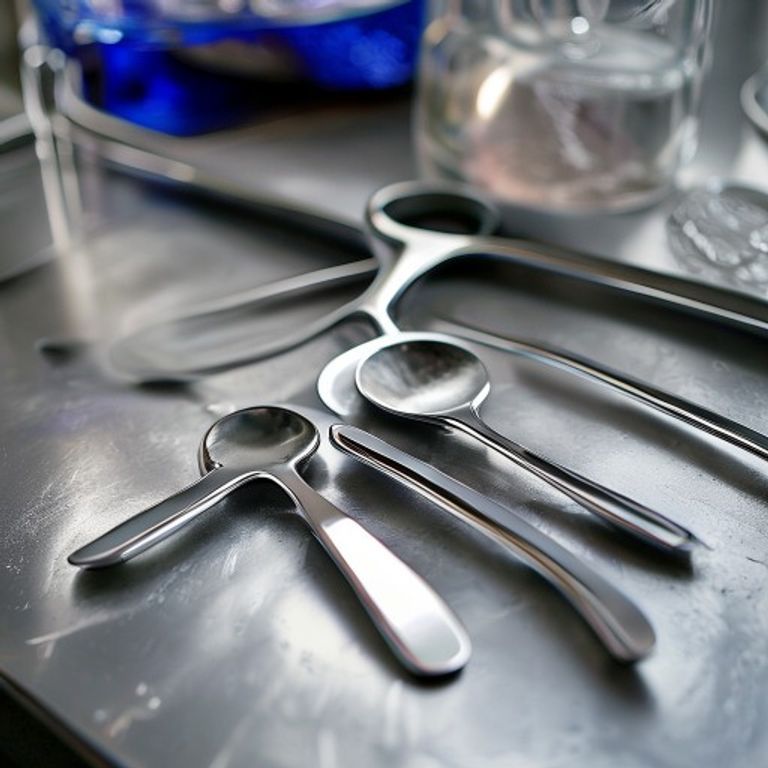
Stainless steel spatulas are the workhorses for handling corrosive or abrasive chemicals. Their smooth, non‑porous surface resists staining and can be autoclaved for sterilization. Use them when you need:
- High durability for repeated use
- Resistance to acids, bases, and solvents
- Precise scooping of powders and granules
If you’re working on how to precipitate compounds efficiently, a stainless steel spatula ensures you don’t introduce contaminants that could affect crystal formation.
2. Disposable Plastic Spatula for Lab Sample Transfer
When cross‑contamination is a concern—like moving delicate biological samples—disposable plastic spatulas are a lifesaver. They’re cheap, lightweight, and can be discarded after a single use, eliminating the need for cleaning.
Ideal scenarios include:
- Transferring small volumes of viscous liquids
- Handling hazardous waste where cleaning isn’t practical
- Quick, one‑off tasks in high‑throughput screening
3. Heat‑Resistant Lab Spatula for High‑Temperature Experiments
For reactions that run above 200 °C, a heat‑resistant spatula—often made from silicone‑coated metal or high‑temperature polymers—prevents melting or warping. These spatulas let you:
- Scoop molten solids without burning your fingers
- Stir viscous melts safely
- Transfer hot reagents between vessels
4. Ergonomic Laboratory Spatula with Silicone Grip
Long hours of repetitive scooping can strain your hand. An ergonomic handle with a silicone grip reduces fatigue and gives you better control, especially when working with fine powders that need gentle handling.
5. Laboratory Spatula Set with Various Blade Sizes
Just like a chef’s knife set, a spatula set gives you flexibility. Small blades (5‑10 mm) are perfect for microscale work, while larger blades (30‑50 mm) handle bulk transfers. Having a range at hand means you won’t waste time searching for the right tool.
Practical Tips for Using Laboratory Spatulas
- Clean before and after use: Even stainless steel can harbor residues; a quick rinse with solvent followed by drying prevents cross‑contamination.
- Label disposable spatulas: If you’re using them for different reagents, a simple color‑coded label avoids mix‑ups.
- Store properly: Keep metal spatulas in a dry rack to avoid rust, and plastic ones in a sealed container to prevent static buildup.
- Match the spatula to the task: Use the smallest blade that can handle the material—this improves precision and reduces waste.
Conclusion
Choosing the right laboratory spatula is more than a matter of convenience; it’s a safety and accuracy issue. Whether you need a rugged stainless steel tool for aggressive chemicals, a disposable plastic spatula for clean sample transfers, or a heat‑resistant version for high‑temperature work, there’s a perfect spatula waiting for you. By matching the material, size, and ergonomics to your specific experiment, you’ll streamline your workflow and keep your results reliable.
FAQ
Q: Can I sterilize a plastic spatula?
A: Most disposable plastics aren’t designed for autoclaving. If you need a sterilizable option, choose a silicone‑coated metal spatula.
Q: How often should I replace stainless steel spatulas?
A: Inspect them for nicks or corrosion after each use. Replace when the surface is no longer smooth or if you notice rust.
Q: Are there spatulas specifically for microscopy?
A: Yes, precision spatulas with ultra‑fine tips are ideal for handling tiny samples on slides, often categorized under “precision spatula for microscopy.”
Q: What’s the best way to avoid cross‑contamination?
A: Use disposable spatulas for different reagents, or thoroughly clean reusable ones with appropriate solvents between tasks.
Q: Can a heat‑resistant spatula be used for low‑temperature work?
A: Absolutely. It’s versatile, though a lighter plastic spatula may be more comfortable for routine low‑temp transfers.