

How to Prepare, Use, and Store Reliable Titrants for Accurate Acid‑Base Titrations

Introduction
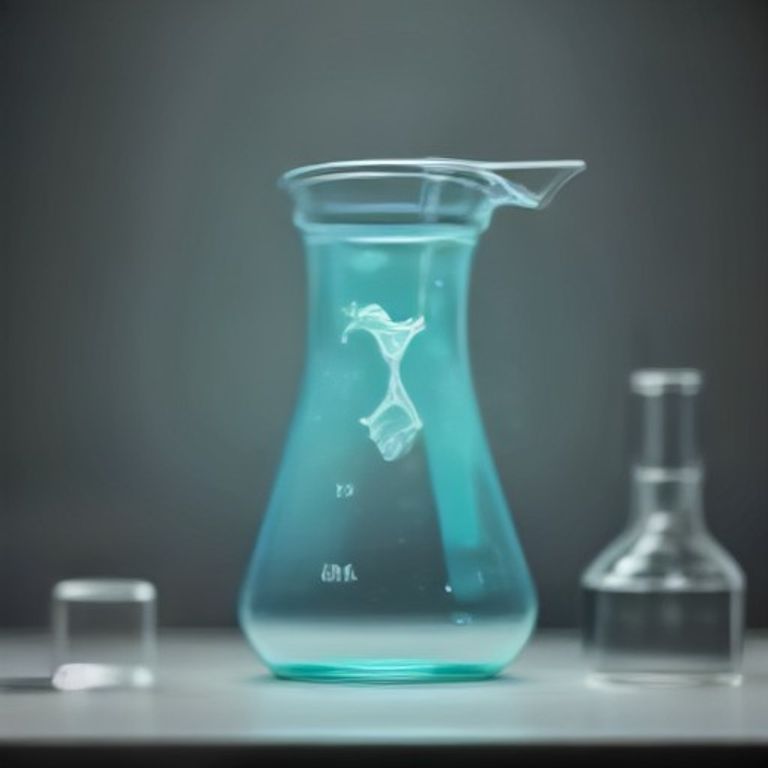
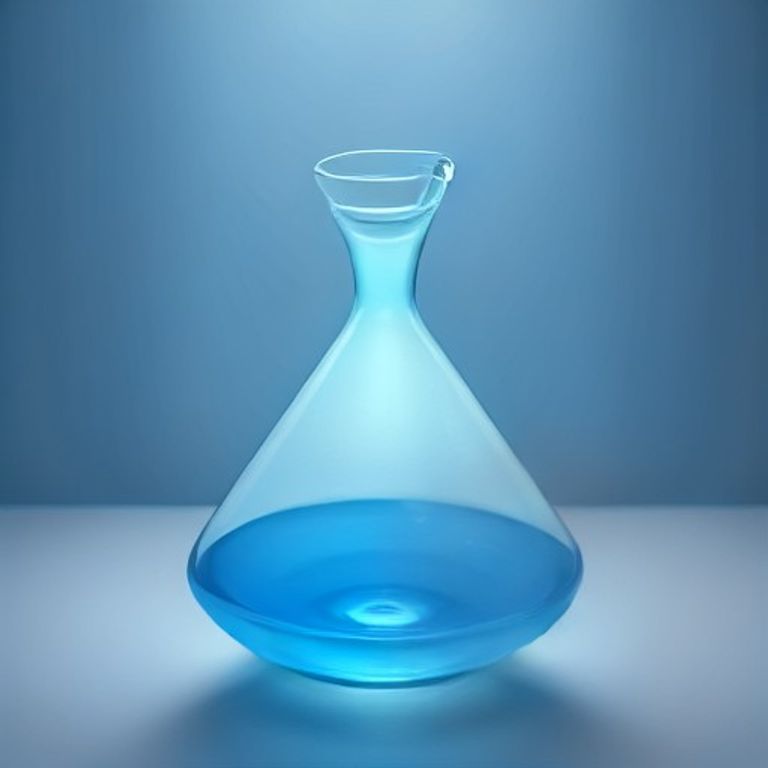
When we step into the lab for an acid‑base titration, the star of the show is the titrant. It’s the solution that slowly reacts with the analyte until we hit the endpoint. But a titrant is only as good as the way we prepare, calculate, and store it. In this article I’ll share practical, step‑by‑step tips on titrant preparation methods, how to standardize solutions, calculate concentrations, pick the right reagent for your titration, and keep it stable over time. Think of it as a quick‑cook recipe book for chemists – no fluff, just what works on the bench.
What Is a Titrant?
A titrant is a reagent of known concentration that we add incrementally to an unknown solution (the analyte) to determine its concentration. In acid‑base titrations the titrant is usually a strong acid (like HCl) or a strong base (like NaOH). The key is that its concentration must be accurately known, otherwise every calculation downstream will be off.
Standardized Titrant Solutions: How to Prepare
Standardization is the process of verifying the exact concentration of a titrant against a primary standard. Follow these simple steps:
- Choose a primary standard – a highly pure, stable solid (e.g., potassium hydrogen phthalate for acid titrations).
- Weigh accurately – use an analytical balance; record the mass to four decimal places.
- Dissolve in distilled water – transfer the solid to a volumetric flask and fill to the mark.
- Perform a titration – titrate the primary standard with the prepared solution, using an appropriate indicator.
- Calculate the exact molarity – use the volume of titrant used at the endpoint to adjust the nominal concentration.
Once you have the exact molarity, label the flask with the date, concentration, and expiry. This practice mirrors the rigor you’d find in Mastering Precipitation: Practical Tips to Control, Filter, and Recover Solids in the Lab and Industry, where precise solution handling is essential.
Calculating Titrant Concentration
The basic formula is:
M₁V₁ = M₂V₂
where M₁ and V₁ are the molarity and volume of the primary standard, and M₂ and V₂ are those of the titrant. For example, if 0.500 g of KHP (M = 204.22 g mol⁻¹) reacts with 25.00 mL of NaOH, the calculation looks like this:
- Moles of KHP = 0.500 g / 204.22 g mol⁻¹ = 0.00245 mol
- Molarity of NaOH = (0.00245 mol) / (0.025 L) = 0.098 M
Always record the temperature, because volume changes with temperature can affect the final value.
Choosing the Right Titrant for Acid‑Base Titration
Not all titrants are created equal. Here’s a quick guide to help you decide:
- Strong acid vs. strong base – Use HCl for bases and NaOH for acids. They give sharp endpoints with common indicators.
- Weak acid/weak base – Choose a titrant that has a pKa close to the analyte’s pKa for a more gradual pH change.
- Buffer capacity – If you need a buffered system, consider using a titrant like acetic acid/sodium acetate pair.
When you work with very small volumes, a spot plate can be a handy tool to dispense microliter amounts accurately.
Stability and Storage Tips
Even the best‑prepared titrant can degrade if stored poorly. Follow these best practices:
- Temperature control – Keep solutions at 4 °C for acids that are prone to CO₂ absorption (e.g., Na₂CO₃ solutions).
- Protect from light – Some bases (like KMnO₄) decompose under UV light; use amber bottles.
- Use airtight containers – Prevent evaporation and CO₂ uptake.
- Label with expiry – Most titrants are stable for 6–12 months if stored correctly.
Regularly check the pH of a stored acid or base titrant with a calibrated pH meter; a drift of more than 0.02 pH units signals that the solution may need re‑standardization.
Practical Tips for Everyday Lab Work
Here are some quick hacks that save time and improve accuracy:
- Pre‑rinse the burette with the titrant you’ll use – it removes residual water and prevents dilution.
- Use a magnetic stir bar in the flask to ensure uniform mixing during titration.
- Record the exact burette reading at the start and end; avoid estimating the last drop.
- When possible, perform duplicate titrations and average the results.
Conclusion
Mastering titrant preparation, calculation, selection, and storage turns a routine acid‑base titration into a reliable, reproducible experiment. By standardizing your solutions, using the right concentration formulas, picking the appropriate reagent, and keeping your titrant stable, you’ll consistently hit the endpoint with confidence. Remember, a good titrant is the foundation of accurate analytical chemistry – treat it with the same care you give to any precious lab reagent.
FAQ
What is the difference between a primary standard and a secondary standard?
A primary standard is a highly pure, stable solid that can be weighed directly to determine concentration. A secondary standard is a solution whose concentration is determined by titrating against a primary standard.
How often should I re‑standardize my titrant?
At minimum, re‑standardize every 3 months or whenever you notice a pH drift, change in temperature storage, or after the expiry date.
Can I use distilled water to prepare titrants?
Yes, but for high‑precision work use deionized, low‑conductivity water to avoid trace ions that could affect the reaction.
Is it okay to store NaOH solution in a glass bottle?
NaOH is hygroscopic and can leach silica from glass over time. Plastic (HDPE) containers are preferred for long‑term storage.
What indicator works best for a strong acid–strong base titration?
Phenolphthalein is ideal for most strong acid–strong base titrations because it changes color around pH 8.2–10, giving a clear endpoint.