The Ultimate Guide to Stirring Rods: How to Use, Choose, and Buy the Perfect Lab Mixing Tool

Introduction
When I first stepped into a chemistry lab, the humble stirring rod felt like a magic wand. With a simple twist, it can dissolve a solid, homogenize a solution, or prevent a nasty precipitation. Yet, many beginners treat it as an after‑thought. In this article I’ll walk you through everything you need to know about stirring rods – from material basics to practical tips, and even where to get the best ones for your bench.
What Is a Stirring Rod Made Of?
Stirring rods come in a few common materials, each with its own strengths:
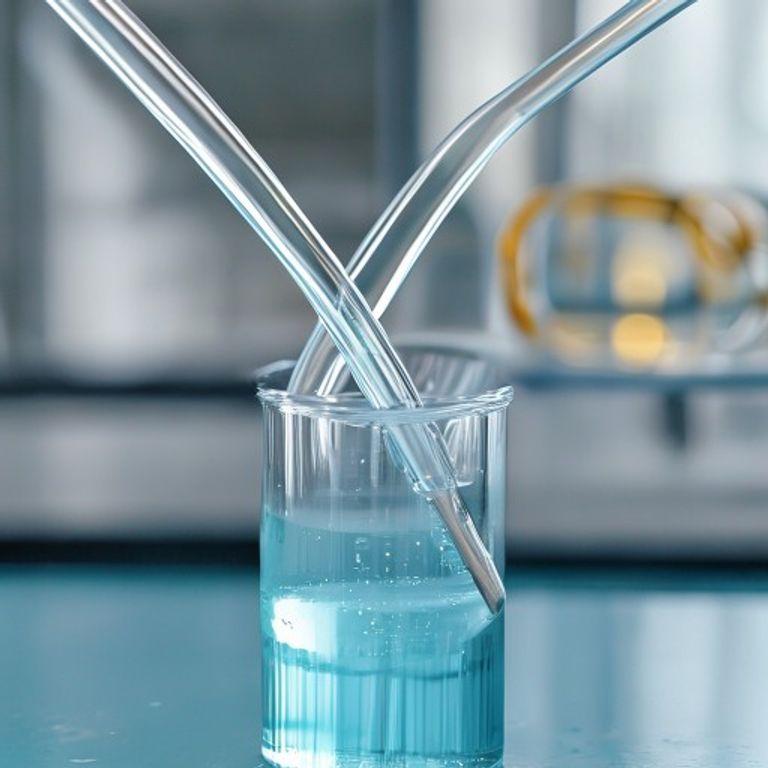
- Glass – Transparent, chemically inert, and easy to clean. Ideal for most aqueous and organic solutions.
- Plastic (PTFE/Teflon) – Resistant to strong acids, bases, and solvents. Slightly flexible, which can be handy in tight beakers.
- Metal (stainless steel) – Very sturdy, but can react with certain chemicals; usually reserved for non‑reactive media.
Choosing the right material is the first step toward reliable mixing.
How to Use a Glass Stirring Rod Properly
Even a simple glass rod can cause trouble if mishandled. Here’s my step‑by‑step routine:
- Inspect the rod. Look for cracks or chips – a broken tip can scratch glassware.
- Grip it near the base. Hold the rod with your thumb and forefinger, leaving the tip free to move.
- Insert at an angle. Place the tip against the side of the beaker, not straight down, to avoid splashing.
- Move in a circular motion. A gentle, consistent swirl creates a vortex that draws the liquid down for even mixing.
- Control the speed. Faster motions work for low‑viscosity liquids; slower, broader circles are better for thick solutions.
- Clean after use. Rinse with distilled water, then with the solvent you just used, and finally dry with a lint‑free cloth.
Think of the rod as a paddle in a small boat – you want it to push water smoothly, not slam it.
Choosing the Best Stirring Rod for Laboratory Use
If you’re buying new rods, keep these factors in mind:
- Length. 150 mm is standard for most beakers; longer rods (250 mm) help in tall containers.
- Diameter. Thinner rods (≈2 mm) give more precision, while thicker ones (≈4 mm) are sturdier for heavy mixtures.
- Material compatibility. Match the rod to the chemicals you’ll handle most often.
- Ergonomics. Some rods have a textured grip or a rubber sleeve to reduce hand fatigue.
For a deeper dive into selection criteria, check out Stirring Rod Essentials. The guide walks you through the buying process step by step.
Magnetic Stirring Rod vs. Glass Rod – Pros and Cons
Magnetic stirrers have become popular, but they don’t replace the glass rod in every scenario.
| Aspect | Glass Rod | Magnetic Stirring Rod |
|---|---|---|
| Cost | Very cheap, often reusable | Requires a magnetic stir plate, higher initial cost |
| Control | Manual – you set the speed and direction | Automatic – set speed on the plate |
| Heat resistance | Can be used directly over a flame (if glass is borosilicate) | Limited by magnetic stir bar material |
| Viscosity handling | Good for high‑viscosity mixes with vigorous stirring | Struggles with very thick solutions |
If you need precise, hands‑on control or are working with very hot solutions, the glass rod still wins.
Where to Buy Quality Lab Stirring Rods
Most scientific supply companies stock a range of rods, but not all are created equal. Look for vendors that:
- Offer borosilicate glass (thermal shock resistant).
- Provide certification of chemical purity.
- Allow you to purchase in bulk to reduce per‑piece cost.
For a curated list of reputable sources, I often refer to Mastering the Stirring Rod. It highlights suppliers that specialize in laboratory‑grade equipment.
FAQ
Can I reuse a glass stirring rod?
Yes, as long as you clean it thoroughly and there are no cracks. A clean rod prevents cross‑contamination.
Is PTFE better than glass for strong acids?
PTFE is more resistant to aggressive acids and bases, but it can be softer and may scratch delicate glassware.
Do magnetic stir bars need special cleaning?
Rinse them with the same solvent used in the experiment, then dry. Avoid abrasive scrubbing to keep the magnetic coating intact.
How long should I stir a solution?
Generally, stir until the solid is fully dissolved or the mixture looks homogeneous – usually 30 seconds to a few minutes, depending on viscosity.
Can I use a stirring rod for temperature measurements?
No. Use a separate thermometer or a temperature probe; the rod is only for mixing.
Conclusion
Whether you’re a student doing a simple titration or a researcher preparing a complex formulation, the right stirring rod can save time and prevent mistakes. By understanding the material, mastering the technique, and picking a rod that fits your workflow, you’ll turn that simple glass stick into a reliable lab partner. Happy mixing!