

The Ultimate Guide to Setting Up a Safe and Efficient Syringe Laboratory

Introduction
When we talk about a syringe laboratory, most people picture a sterile room filled with tiny glass tubes and high‑tech pumps. In reality, creating a functional syringe lab is a lot like assembling a kitchen: you need the right tools, a tidy layout, and a solid set of safety rules. In this guide I’ll walk you through everything from the essential equipment list to calibration procedures, all while sharing practical tips that you can apply right away.
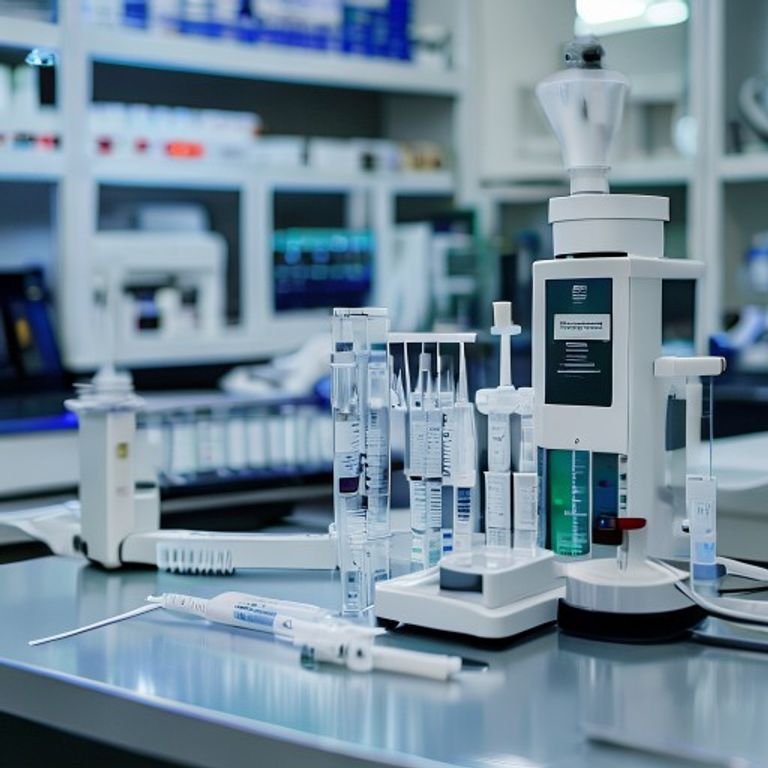
Essential Syringe Laboratory Equipment List
Before you start buying, it helps to categorize the gear you’ll need. Think of it as a toolbox for a handyman – each item has a specific job.
- Laboratory syringes – both disposable and reusable, ranging from 0.5 mL to 50 mL.
- Syringe pumps – for precise, programmable flow rates.
- Calibration weights and standards – essential for volume verification.
- Sterile filtration units – keep your samples contaminant‑free.
- Analytical balance – accurate to 0.1 mg for weighing syringes and reagents.
- Glove boxes or laminar flow hoods – maintain aseptic conditions.
- Cleaning stations – ultrasonic cleaners and solvent baths.
How to Set Up a Syringe Laboratory
Setting up the space is like arranging furniture in a small apartment – you want a smooth workflow and no bottlenecks.
1. Layout Planning
Place the analytical balance near the entrance so you can weigh reagents before they enter the clean zone. Keep the syringe pumps on a stable bench away from vibrations, and locate the sterilization area at the far end to avoid cross‑contamination.
2. Electrical and Gas Connections
Make sure all power strips are grounded and have surge protection. If you use compressed gas for certain syringe pumps, install regulators and check for leaks regularly.
3. Environmental Controls
Maintain temperature at 20‑22 °C and humidity below 60 %. A simple digital hygrometer can act like a “thermostat for the lab” – it alerts you before conditions get out of hand.
Syringe Laboratory Safety Protocols
Safety isn’t just a checklist; it’s a mindset. Treat each syringe like a tiny pressure vessel – mishandling can cause spills, contamination, or even injuries.
- Always wear nitrile gloves and eye protection.
- Use practical safety hacks for the Bunsen Burner when you need to heat samples – keep a fire blanket nearby and never leave an open flame unattended.
- Label all syringes clearly with contents, concentration, and expiration date.
- Implement a “no‑food, no‑drinks” rule inside the lab.
- Dispose of sharps in puncture‑proof containers immediately.
Best Syringe Laboratory Brands
Choosing the right brand can feel like picking a car – you want reliability, performance, and good after‑sales support.
| Brand | Strength | Typical Use |
|---|---|---|
| Hamilton | High precision, low dead volume | Analytical chemistry |
| Terumo | Robust disposable syringes | Medical testing |
| SyringePump™ (Harvard Apparatus) | Programmable flow rates | Pharmacology & biotech |
Syringe Laboratory Calibration Procedures
Calibration is the “tune‑up” your lab needs to stay accurate. Here’s a step‑by‑step routine I use weekly:
- Warm up the syringe pump for 10 minutes to stabilize temperature.
- Fill a certified calibration syringe with distilled water.
- Dispense the water into a pre‑weighed container on the analytical balance.
- Compare the measured mass to the expected volume (1 g ≈ 1 mL at 20 °C).
- Adjust the pump’s software settings until the deviation is < 0.5 %.
- Record the results in a calibration log – think of it as a “service record” for your equipment.
If you need a deeper dive into calibration concepts, the process of syringe calibration shares many similarities with the routine used for other volumetric tools, such as pipettes.
Integrating Other Lab Tools
Even though we focus on syringes, a well‑rounded lab often uses complementary equipment. For instance, choosing and maintaining cuvettes safely is crucial when you move from liquid handling to spectroscopic analysis. The principles of cleanliness and proper storage apply across the board.
Conclusion
Building a syringe laboratory doesn’t require a PhD in engineering – just a clear plan, the right gear, and disciplined safety habits. By following the equipment checklist, arranging your workspace wisely, and sticking to regular calibration, you’ll have a lab that delivers reliable results day after day. Remember, the lab is a living system; treat it with care and it will return the favor.
FAQ
What is the most important safety equipment for a syringe lab?
Protective gloves, safety goggles, and a proper sharps disposal container are non‑negotiable. They act like the seatbelt and airbags of a car.
How often should I calibrate my syringe pumps?
At a minimum, perform a full calibration weekly. If you notice drift in results, recalibrate immediately.
Can I use disposable syringes for analytical work?
Yes, but ensure they are low‑dead‑volume and certified for analytical use. For the highest precision, reusable glass syringes are still the gold standard.
What temperature range is ideal for syringe operations?
Most syringes perform best between 20 °C and 25 °C. Extreme temperatures can affect fluid viscosity and volume accuracy.
Do I need a separate sterilization area?
It’s highly recommended. A dedicated sterilization zone prevents cross‑contamination and keeps the main workbench clean.