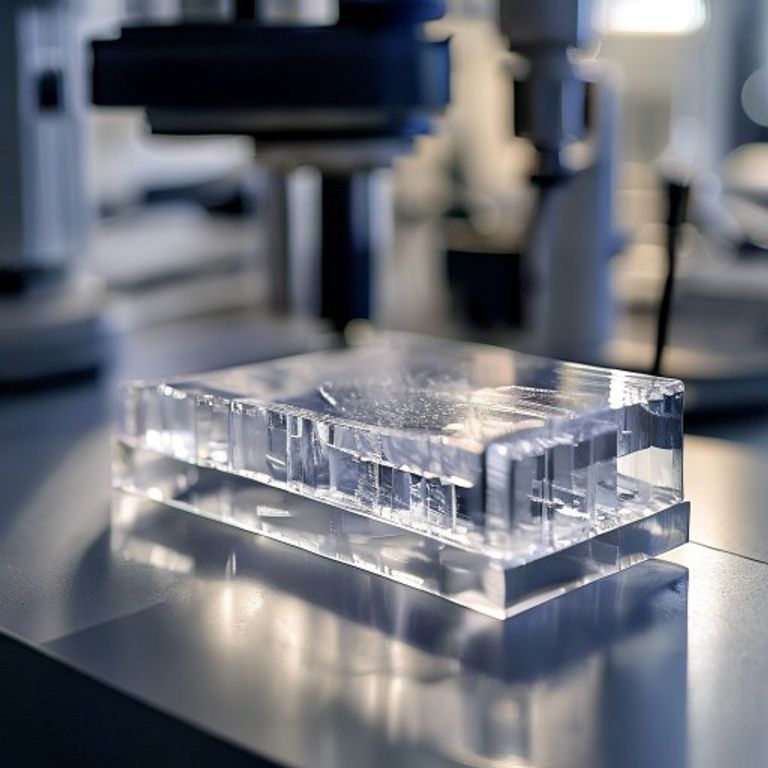
Cuvette Laboratory Guide: Choosing, Maintaining, and Safely Using Cuvettes for Spectroscopy

Introduction
When we step into a modern chemistry lab, the first thing that often catches our eye is the sleek cuvette sitting in a spectrophotometer. Whether you’re measuring the absorbance of a colorful dye or tracking a subtle UV‑visible shift in a protein solution, the cuvette is the tiny window through which the instrument “sees” your sample. In this guide I’ll walk you through everything you need to know about cuvette laboratory essentials – from picking the right type, keeping it spotless, to handling it safely. Think of it as a practical handbook that lets you focus on the science, not the hassle.
1. Picking the Right Cuvette for Your Spectrophotometer
Material matters
Just like you wouldn’t wear sunglasses made of paper, you shouldn’t use the wrong cuvette material. The three most common options are:
- Glass cuvettes – affordable, good for visible range (400‑700 nm).
- Quartz cuvettes – transparent down to 190 nm, perfect for UV work.
- Plastic cuvettes (e.g., Polystyrene) – disposable, great for quick checks, but limited UV transmission.
If your work involves UV‑visible measurements below 350 nm, quartz is the only safe bet. For routine visible assays, high‑quality glass will save you money without sacrificing accuracy.
Path length and size
The path length (usually 1 cm) determines how much light travels through the sample. Smaller path lengths (0.5 cm) are handy for highly absorbing solutions. Cuvettes also come in different volumes – 1 mL, 3 mL, or 10 mL – so match the size to the volume you normally handle.
2. Compatibility with Spectrophotometer and Holders
Before you buy, check the spectrophotometer cuvette compatibility chart in your instrument’s manual. Some models need rectangular cuvettes, others accept both rectangular and square. The holder design also matters – a snug fit prevents stray light and reduces measurement error.
3. Maintaining Your Cuvette: Cleaning Methods that Actually Work
Cleaning a cuvette is a bit like washing a delicate camera lens – you need the right solution and gentle handling.
- Rinse with distilled water immediately after use to remove bulk residues.
- Use mild detergent (e.g., Alconox) for stubborn organic stains. Fill the cuvette, swirl, then rinse thoroughly.
- Quartz cuvette cleaning methods often involve a brief soak in 10 % nitric acid, followed by copious rinsing with ultrapure water. Never use abrasive pads – they scratch the optical surface.
- Drying – let the cuvette air‑dry on a lint‑free rack or gently blot with a clean, low‑lint tissue.
Never store cuvettes with the lid closed; trapped moisture can cause mold or leach contaminants into future samples.
4. Safety Protocols and Procedures
Even though a cuvette looks harmless, mishandling can lead to broken glass, chemical exposure, or inaccurate data. Follow these simple safety steps:
- Wear lab gloves and safety goggles when handling chemicals inside cuvettes.
- Inspect cuvettes for chips or cracks before each use – a tiny flaw can cause light scattering.
- When transferring hazardous liquids, use a pipette with a filter tip to avoid splashes.
- Dispose of broken glass in a designated sharps container.
For a broader view on lab safety, you might find the how to build a safe & efficient spirit lamp laboratory article useful as it covers general safety habits that translate well to cuvette handling.
5. Affordable Cuvette Kits for Research Labs
Many suppliers offer starter kits that bundle cuvettes with holders, cleaning supplies, and even a basic spectrophotometer. When budgeting, look for:
- Mixed‑material sets (e.g., 10 quartz + 20 glass) for flexibility.
- Reusable plastic cuvettes with a built‑in cleaning brush.
- Bulk discounts on 96‑well plate compatible cuvettes for high‑throughput work.
If you’re setting up a new lab, the complete guide to analytical balances can help you prioritize other essential equipment alongside cuvettes.
6. Quick Tips for Accurate UV‑Visible Measurements
- Always zero the spectrophotometer with a blank (solvent only) in the same cuvette type.
- Keep the cuvette lid on when not actively measuring to prevent evaporation.
- Align the cuvette consistently – most spectrophotometers have a “front” and “back” side.
- Record the cuvette’s serial number if you’re using a shared set; it helps trace any recurring anomalies.
Conclusion
Mastering the cuvette laboratory basics doesn’t require a PhD in optics – just a few good habits. Choose the right material, keep it clean, follow safety protocols, and you’ll get reliable data without the headache of broken glass or stray light. With affordable kits and proper maintenance, even a small research group can run high‑quality spectroscopy experiments day after day.
FAQ
What is the difference between quartz and glass cuvettes?
Quartz transmits UV light down to about 190 nm, while standard glass cuts off around 350 nm. Use quartz for UV work; glass is fine for visible range.
Can I reuse plastic cuvettes?
Plastic cuvettes are generally designed for single‑use to avoid cross‑contamination, but some high‑quality polystyrene cuvettes can be washed gently and reused a few times.
How often should I replace my cuvettes?
If you notice persistent scratches, cloudiness, or recurring baseline drift, it’s time to replace them. Otherwise, with proper cleaning, they can last years.
Do I need a special holder for quartz cuvettes?
Most spectrophotometers accept both glass and quartz cuvettes in the same holder, but always verify the fit to avoid light leaks.
Is there a standard size for cuvette path length?
The most common path length is 1 cm, but 0.5 cm and 2 cm cuvettes are also available for specific absorbance ranges.