

How to Build a Safe & Efficient Spirit Lamp Laboratory for Everyday Chemistry

Introduction
Ever tried to heat a small sample in a high school lab and wished you had a reliable, portable flame? I’ve been there – the classic Bunsen burner is great, but not every classroom or home‑lab has the gas lines or budget for it. That’s where a spirit lamp steps in as a cheap, versatile alternative. In this article I’ll walk you through setting up a spirit lamp laboratory, share safety best practices, recommend the best fuels, and even show you how to DIY some of the equipment. Think of it as your pocket‑size heat source for all those small‑scale experiments.
1. Setting Up Your Spirit Lamp Laboratory
Before you light the first flame, you need a solid foundation. Here’s a quick checklist:
- Designated work area: Choose a sturdy, heat‑resistant bench away from drafts.
- Ventilation: Open windows or use a fume hood – alcohol vapors are flammable.
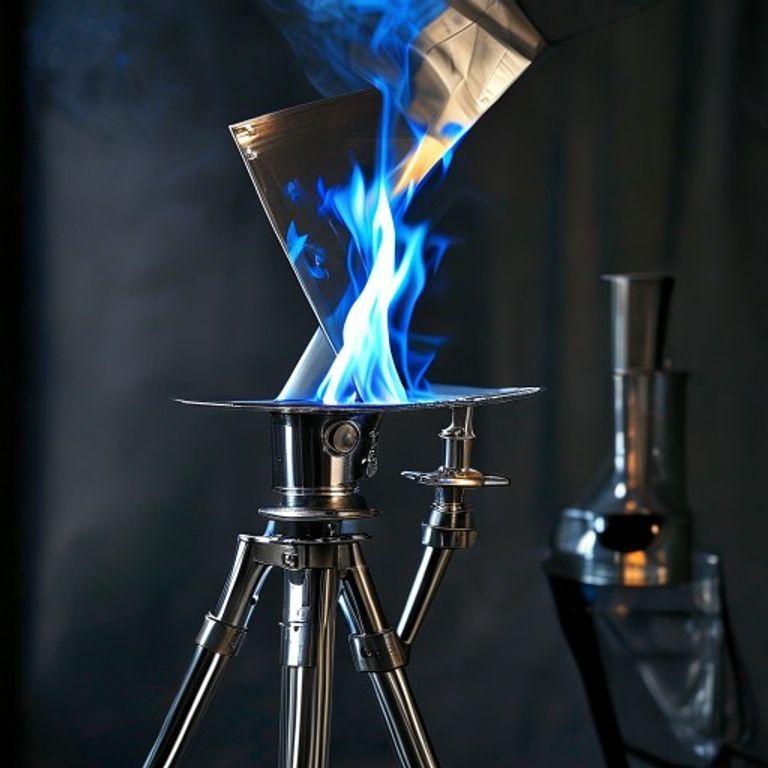
- Stable stand: A metal tripod or a lab stand with a clamp holds the lamp securely.
- Fire‑extinguishing tools: Keep a sand bucket, fire blanket, or a Class B extinguisher nearby.
Once the space is ready, mount the spirit lamp on the stand and connect a fuel bottle with a secure tubing system. If you’re working in a school, a simple glass bottle with a rubber stopper works just fine.
2. Safety Guidelines for Spirit Lamp Use
Safety isn’t optional – it’s the backbone of any good experiment. Follow these rules:
- Never leave a lit lamp unattended.
- Keep flammable materials (paper, solvents) at least 30 cm away.
- Wear safety goggles, lab coat, and heat‑resistant gloves.
- Refill fuel only when the lamp is completely cool.
- Always have a spill‑control plan; absorb any leaks with sand before cleaning.
For a deeper dive into flame safety, check out the Mastering the Bunsen Burner guide – many of the safety hacks apply equally to spirit lamps.
3. Choosing the Best Fuel Types
The fuel you pick determines flame size, temperature, and odor. Here are the top options:
- Ethanol (95%): Clean burning, low odor, produces a steady blue flame – ideal for most organic reactions.
- Methanol: Slightly hotter but more toxic; use only in well‑ventilated areas.
- Isopropyl alcohol (70‑99%): Readily available, but the flame is a bit orange due to water content.
Never use gasoline or kerosene – they create uncontrolled, smoky flames that can quickly become hazardous.
4. DIY Spirit Lamp Equipment for Schools
If your budget is tight, you can craft several accessories from everyday items:
- Fuel bottle: Repurpose a clean, empty glass soda bottle with a drilled cap for the tubing.
- Wick holder: Use a metal mesh or a stainless‑steel tea infuser to keep the wick upright.
- Heat shield: Cut a piece of aluminum foil and fold it into a shallow pan to protect the bench.
These DIY solutions keep costs low while maintaining safety standards.
5. Troubleshooting Flame Issues
Even a simple spirit lamp can misbehave. Here’s how to diagnose common problems:
- Flame too low: Check wick length – it should be about 5 mm above the fuel surface. Also, ensure the fuel isn’t depleted.
- Yellow or sputtering flame: This indicates incomplete combustion. Try adjusting the wick or using a higher‑purity fuel.
- Extinguishes easily: Drafts are the culprit. Move the lamp away from open windows or use a wind‑shield made from a metal cup.
If you’re pairing a spirit lamp with a condenser, the ultimate guide to mastering condensers can help you set up a stable cooling system that won’t interfere with your flame.
Conclusion
Building a spirit lamp laboratory is surprisingly straightforward – you just need a safe workspace, the right fuel, and a few simple accessories. By following the safety checklist, choosing the proper fuel, and troubleshooting intelligently, you can run a wide range of small‑scale chemistry experiments without breaking the bank. So light up that wick, and let the experiments begin!
FAQ
Q: Can I use a spirit lamp for heating large volumes of liquid?
A: Not recommended. Spirit lamps are best for small samples (under 100 mL). For larger volumes, a Bunsen burner or hot plate is more efficient.
Q: How often should I replace the wick?
A: Replace it when it becomes charred or brittle – typically after 20‑30 uses.
Q: Is it safe to use a spirit lamp outdoors?
A: Yes, as long as you have a wind‑shield and keep the fuel container away from direct sunlight.
Q: What is the maximum temperature a spirit lamp can reach?
A: Pure ethanol can produce flames up to ~1,800 °C, but the practical heating temperature for lab work is around 600‑800 °C.
Q: Can I use the same lamp for different fuels?
A: You can, but clean the wick thoroughly between fuel changes to avoid cross‑contamination.