From Stovetops to Furnaces: Your Essential Guide to Burner Operation

Ever wonder how that little flame or red-hot coil on your stove actually works its magic? Or how your furnace keeps your home cozy all winter? It all boils down to something called burner operation. As content writers, we’re all about demystifying complex topics, and today, we’re diving deep into the world of burners. They’re everywhere, from our kitchen countertops to large industrial systems, playing a crucial role in chemistry for beginners and advanced applications. Understanding how they function isn’t just for engineers; it can help us troubleshoot issues, improve efficiency, and most importantly, stay safe.
Think of a burner as the heart of any heating system. Its main job is to mix fuel (like natural gas, propane, or even electricity) with oxygen and then ignite that mixture to create heat. It sounds simple, right? But the nuances of how different burners achieve this can be quite fascinating. So, let’s pull back the curtain and see what makes these everyday marvels tick.
What Exactly *Is* a Burner, Anyway?
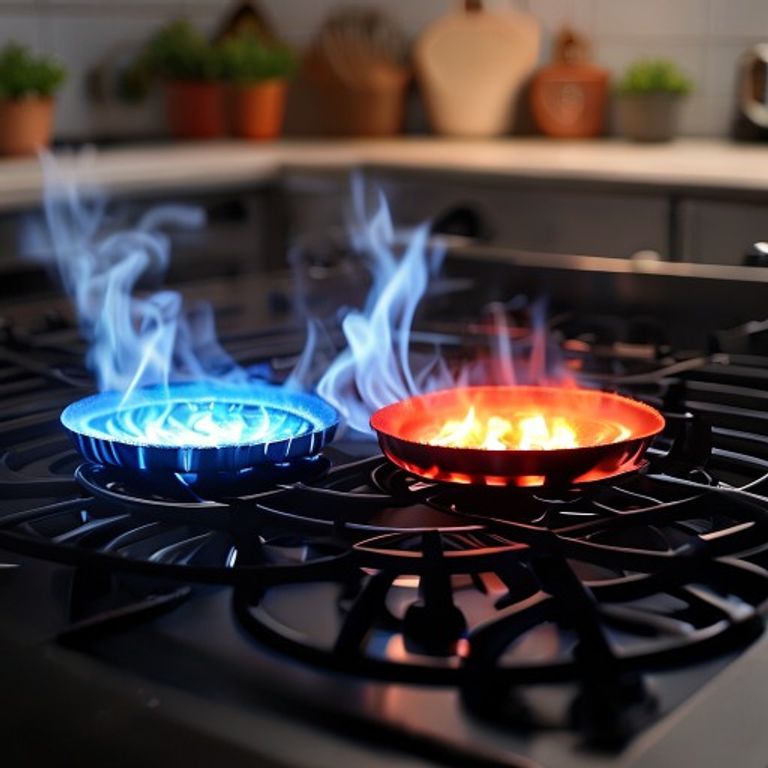
At its core, a burner is a device designed to facilitate controlled combustion or heat generation. Whether it’s a gas burner with its distinctive blue flame or an electric element glowing red, the goal is the same: convert a fuel source into usable heat. The principle behind most burners involves a simple yet powerful chemical reaction: fuel meets oxygen, and with a little spark or initial heat, a sustained reaction called combustion begins, releasing energy in the form of heat.
Imagine it like a tiny, contained explosion happening continuously and safely. The design of the burner ensures that this “explosion” is stable, efficient, and directed where you need it most. It’s not just about creating heat; it’s about controlling temperature, ensuring safety, and optimizing fuel usage.
The Science Behind the Heat: How Burners Work
Let’s get a little scientific for a moment, but don’t worry, we’ll keep it simple! The magic word here is “combustion.” This is a rapid chemical reaction between a fuel and an oxidant, usually atmospheric oxygen, that produces heat and light. For a burner to work, we need three main ingredients: fuel, oxygen, and an ignition source. This is often referred to as the “fire triangle.”
- Fuel Source: This can be anything from natural gas, propane, and oil in traditional burners, to electricity in electric stoves, or even electromagnetic fields in induction cooktops.
- Oxygen: Usually drawn from the air around us, it’s crucial for the chemical reaction to occur.
- Ignition System: A spark, a pilot light, or an electrical current provides the initial energy to kickstart the combustion process.
Once ignited, the burner is designed to maintain an optimal mix of fuel and air, ensuring efficient heat generation and a stable flame (if it’s a gas burner). Poor mixing can lead to an inefficient, sooty flame, or even dangerous conditions.
Types of Burners You Encounter Every Day
Burners come in many shapes and sizes, each tailored for a specific job. Let’s look at some common ones:
Gas Burners: The Classic Flame
These are probably what first come to mind when you think of a burner. Found on many kitchen stovetops and in gas furnaces, they work by drawing in gas from a supply line, mixing it with air (often through a venturi tube), and then igniting this mixture. A common type of laboratory gas burner is the Bunsen burner, essential for various scientific experiments.
- Function: Gas flows through a small opening, creating a low-pressure zone that pulls in surrounding air. This gas-air mixture then travels to the burner head, where it’s ignited by a spark igniter or pilot light, creating a stable, usually blue, flame.
- Troubleshooting Tips: If your gas burner isn’t lighting, first check if the gas supply is on. Clogged burner ports (the small holes where the flame comes out) are a common culprit and can be cleaned with a small wire or needle. If you hear clicking but no flame, the igniter might be dirty or faulty.
Electric Burners: Radiant Heat
Electric stoves use a different principle. Instead of a flame, they rely on electrical resistance to generate heat.
- How They Work: Inside the coils or under the glass surface, there’s a resistive heating element (often made of nickel-chromium alloy). When electricity passes through this element, it encounters resistance, which converts electrical energy into heat. This heat then radiates upwards to warm your pots and pans.
- Advantages: Often easier to clean than gas burners, and no open flame.
Induction Cooktops: Magnetic Magic
Induction cooktops are the new kid on the block, using a truly ingenious method to cook.
- How They Work: Unlike electric or gas, induction burners don’t directly produce heat themselves. Instead, they use powerful electromagnetic fields to induce electric currents (called eddy currents) directly within the base of your ferromagnetic cookware (like cast iron or stainless steel). It’s the pot itself that heats up, not the cooktop surface!
- Benefits: Incredibly efficient, precise temperature control, and the surface stays relatively cool to the touch, making it safer.
Industrial & Home Heating Burners: Keeping Us Warm
Beyond the kitchen, burners are vital for heating our homes and businesses. Furnaces and boilers use burners to heat air or water, distributing warmth throughout a building.
- What is the Purpose of a Furnace Burner? Its main goal is to generate heat to warm air (in a furnace) or water (in a boiler) that is then circulated. These burners are often more complex, with precise controls for fuel-air mixture and exhaust.
- Improve Residential Boiler Burner Efficiency: Regular maintenance, like cleaning the burner and ensuring proper air intake, is key. An efficient burner means less fuel consumption and lower utility bills. If your boiler or furnace isn’t heating effectively, a professional tune-up can often resolve efficiency issues by optimizing the burner’s performance.
Keeping Your Burner Happy: Practical Tips
No matter the type, a well-maintained burner is a happy and safe burner. Here are some practical tips:
- Clean Regularly: For gas stovetops, keep the burner ports clear of food debris. For electric coils, wipe them down carefully when cool.
- Check for Blockages: Ensure air vents (especially for gas burners and furnaces) are not blocked, as proper airflow is critical for efficient combustion.
- Safety First: Always be aware of potential gas leaks (smell of rotten eggs) and ensure proper ventilation. Never leave cooking unattended.
- Professional Maintenance: For furnaces and boilers, we highly recommend annual professional check-ups. They can fine-tune your burner, clean components, and ensure everything is running safely and efficiently.
Conclusion
Burner operation is a fundamental aspect of modern living, providing us with comfortable homes and delicious meals. From the simple elegance of a gas flame to the cutting-edge technology of induction, each burner type has its unique way of harnessing energy for our benefit. By understanding the basics, we can better appreciate these unsung heroes of our homes, ensuring they operate safely and efficiently for years to come.
FAQ
Q: How do I know if my gas burner is working efficiently?
A: A healthy gas flame is typically blue, with a distinct inner cone. If your flame is yellow, orange, or produces soot, it likely indicates incomplete combustion, meaning the fuel-air mixture is off. This suggests inefficiency and possibly a need for cleaning or adjustment by a professional.
Q: Can I repair an electric stove burner myself?
A: While some simple fixes like replacing a faulty element might seem straightforward, we generally recommend caution. Always disconnect power first. For anything beyond basic element replacement, especially if it involves wiring or internal components, it’s safer to call a qualified electrician or appliance repair technician.
Q: What’s the main difference in safety between gas and induction cooktops?
A: Gas cooktops have an open flame and use flammable gas, requiring ventilation and caution against leaks. Induction cooktops, on the other hand, don’t heat the surface directly, reducing the risk of burns from the cooktop itself and eliminating gas leak concerns. However, the cookware still gets hot, so caution is always needed.
Q: How often should I have my furnace or boiler burner serviced?
A: Most manufacturers and HVAC professionals recommend annual servicing, typically before the start of the heating season. This ensures optimal efficiency, identifies potential safety hazards, and extends the lifespan of your heating system.