

Unlocking Lab Precision: A Comprehensive Guide to the Types of Lab Spatulas You Need to Know

Ever walked into a lab and felt a bit overwhelmed by all the specialized tools? I know I have! Among the beakers, flasks, and microscopes, there’s one humble tool that often goes unnoticed but is absolutely essential: the lab spatula. Just like a chef needs different spatulas for flipping pancakes, scraping bowls, or frosting a cake, we scientists also rely on a variety of lab spatulas for our delicate and precise work. It’s not just a fancy spoon; it’s a vital instrument for everything from transferring powders to handling sensitive reagents.
Today, we’re going to dive deep into the fascinating world of lab spatulas. We’ll explore the different kinds of spatulas used in laboratories, discuss the materials they’re made from, and give you practical tips on how to choose a lab spatula for specific applications. My goal is to help you feel more confident in selecting the right tool for the job, making your lab work smoother and more accurate!
Why Spatulas Aren’t One-Size-Fits-All: The Art of Precision
Think about it: would you use a gardening shovel to transfer a tiny pinch of salt? Of course not! The same logic applies in the lab. The sheer variety of substances we handle – from fine powders and sticky pastes to delicate crystals and corrosive chemicals – demands a spatula designed for the task. Using the wrong spatula can lead to inaccurate measurements, contamination, or even safety hazards. That’s why understanding the different types is so crucial for any budding or experienced scientist.
The Main Types of Lab Spatulas We Use
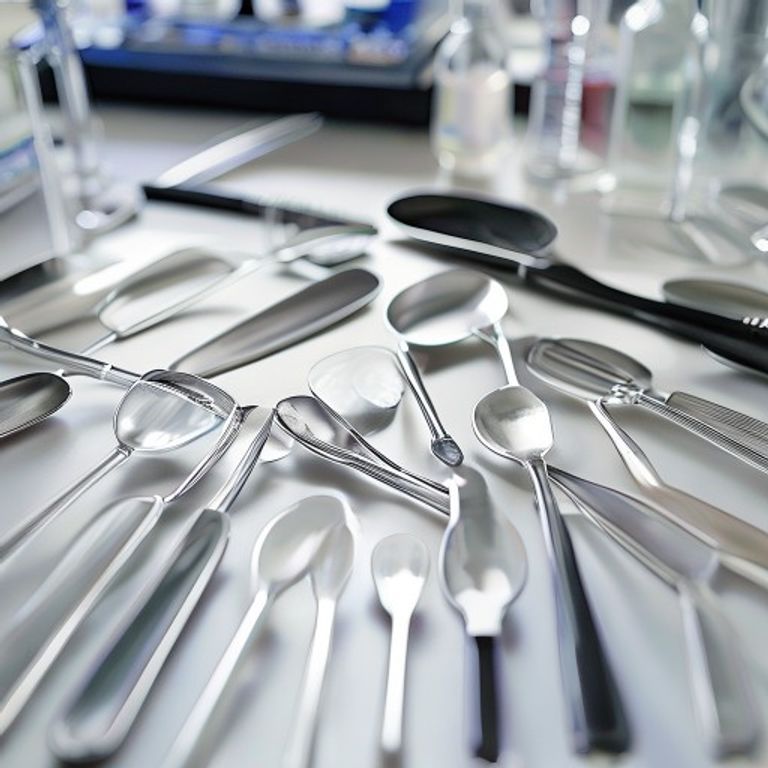
Let’s break down the most common types of lab spatulas you’ll encounter and their primary uses. Each has its own unique strengths, making it indispensable in certain situations.
Flat Spatulas: The Versatile Workhorse
These are probably what most people imagine when they hear “spatula.” Flat spatulas typically have a flat, thin blade on one or both ends. They are incredibly versatile, perfect for:
- Scraping powders from weighing boats or surfaces.
- Transferring small to moderate amounts of solid reagents.
- Mixing and stirring substances in beakers or flasks.
- Breaking up agglomerated powders.
Their broad surface makes them efficient for quick transfers, and they often come in various sizes to suit different needs.
Scoop Spatulas: For Efficient Powder Transfer
When you need to move a larger quantity of powder or granules efficiently, a scoop spatula is your best friend. As the name suggests, one end typically features a small scoop or spoon-like design, while the other might be flat or another small spoon. They are ideal for:
- Quickly scooping bulk powders from containers.
- Transferring granular solids without spillage.
- Measuring approximate quantities before precise weighing.
These are great for when you need to load up a reaction vessel or prepare a stock solution with significant amounts of solid material.
Micro Spatulas: Precision in Miniature
Ah, the micro spatula! If precision is paramount and you’re working with minuscule quantities, these tiny tools are absolute game-changers. Micro spatulas are designed with extremely small, delicate blades or scoops, sometimes just a few millimeters wide. The advantages of using micro spatulas in research are immense, especially for:
- Handling very small amounts of expensive or potent chemicals.
- Precise sampling for analytical instruments.
- Working with delicate biological samples.
- Performing reactions on a micro scale.
When working with tiny volumes, perhaps in a microcentrifuge tube, these tiny tools become indispensable. Their precision helps minimize waste and ensures accurate results in micro-scale experiments.
Spatulas with Spoon Ends: Dual Functionality
Many spatulas come with a spoon on one end and a flat blade or another spoon of a different size on the other. This dual functionality makes them incredibly practical for tasks that require both scooping and scraping, offering great flexibility without needing to switch tools.
Materials Matter: Choosing the Right Stuff
The materials used for chemical lab spatulas are just as important as their shape. Different materials offer varying levels of chemical resistance, durability, and temperature tolerance. The most common ones include:
- Stainless Steel: This is the most popular choice. Stainless steel spatulas are durable, resistant to corrosion from many chemicals, easy to clean, and can be autoclaved. They are great for general lab use.
- Plastic (e.g., Polypropylene): Lightweight and often disposable, plastic spatulas are excellent for situations where cross-contamination is a concern or when working with extremely sticky substances that are hard to clean from metal. They are also non-reactive with many chemicals, though less durable than steel.
- PTFE (Teflon): For highly corrosive or sensitive substances, PTFE spatulas are a top choice. They offer excellent chemical resistance, are non-stick, and can withstand a wide range of temperatures. However, they are generally softer and more expensive than stainless steel.
Disposable Lab Spatulas vs. Reusable Stainless Steel: A Practical Choice
This is a common dilemma in many labs! Here’s a quick rundown to help you decide:
- Disposable Spatulas:
- Pros: Eliminate cross-contamination risks, no need for cleaning, often cheaper per unit, ideal for hazardous or very sticky materials.
- Cons: Generate more waste, less durable, not suitable for high-temperature applications.
- Reusable Stainless Steel Spatulas:
- Pros: Environmentally friendly (less waste), highly durable, can be sterilized (autoclaved), cost-effective in the long run.
- Cons: Require thorough cleaning to prevent cross-contamination, can react with some aggressive chemicals.
Ultimately, the choice between disposable and reusable often comes down to the specific application, budget, and lab protocols.
How to Choose a Lab Spatula for Specific Applications
So, how do you pick the right one? Here’s my simple guide:
- Consider the Material You’re Handling: Is it a fine powder, a sticky gel, or corrosive crystals? This will guide your choice of spatula type (flat, scoop, micro) and material (steel, plastic, PTFE).
- Think About the Quantity: A micro spatula for a milligram, a scoop for a gram, and a flat one for scraping residue.
- Assess Chemical Compatibility: If you’re working with strong acids or bases, PTFE is safer. For general chemicals, stainless steel is usually fine.
- Evaluate Cross-Contamination Risk: If working with multiple samples and precision is critical, disposables might be better, or ensure rigorous cleaning of reusable ones.
- Look at the Container: Sometimes, the size and opening of your container dictate the spatula you can fit inside!
Conclusion
From the robust stainless steel scoop to the delicate PTFE micro spatula, these seemingly simple tools are the unsung heroes of the laboratory. They empower us to handle materials with precision, prevent contamination, and ensure the accuracy of our experiments. By understanding the different types of lab spatulas and their best uses, we can make informed choices that significantly impact the efficiency and reliability of our scientific endeavors. So next time you reach for a spatula, take a moment to appreciate the engineering that went into making your lab work a little bit easier!
FAQ
Q1: Can I use any kitchen spatula in a lab?
A1: While they might look similar, it’s generally not recommended. Kitchen spatulas might not be made from laboratory-grade materials, meaning they could react with chemicals, contaminate samples, or not withstand sterilization processes. Lab spatulas are designed for precision, chemical resistance, and cleanliness.
Q2: How do I clean a reusable stainless steel spatula?
A2: Typically, you should rinse it thoroughly with distilled water, then clean it with an appropriate lab detergent, scrub if necessary, rinse again with distilled water, and dry it completely. For sterile applications, autoclaving is often required.
Q3: What’s the main advantage of a micro spatula?
A3: The main advantage is precision handling of very small quantities of substances, which helps minimize waste of expensive reagents and ensures accuracy in sensitive experiments. They are perfect for analytical work or micro-scale synthesis.
Q4: Are plastic spatulas truly non-reactive?
A4: Plastic spatulas, especially those made from polypropylene or polystyrene, are generally highly resistant to many common lab chemicals. However, they can be reactive or soften with certain organic solvents. Always check the material’s chemical compatibility with specific reagents if you’re unsure.