10 Practical Test Tube Uses Every Lab Beginner Should Know

Introduction
When I first stepped onto a lab bench, the humble test tube was the first piece of glass I picked up. It may look simple, but its versatility makes it a real workhorse in chemistry, biology, and everyday experiments. In this article, I’ll walk you through the most common test tube uses, share some handy tips for heating liquids safely, and show how a few creative experiments can turn this tiny tube into a big discovery.
What Are Test Tubes Used for in a Lab?
Think of a test tube as the “Swiss Army knife” of scientific glassware. Here are the core functions that keep it on every bench:
- Sample containment: Small volumes of liquids or solids can be stored without spilling.
- Reaction vessel: Many reactions, especially those needing limited space, are performed directly inside the tube.
- Observation chamber: Its clear walls let you watch color changes, precipitates, or gas evolution in real time.
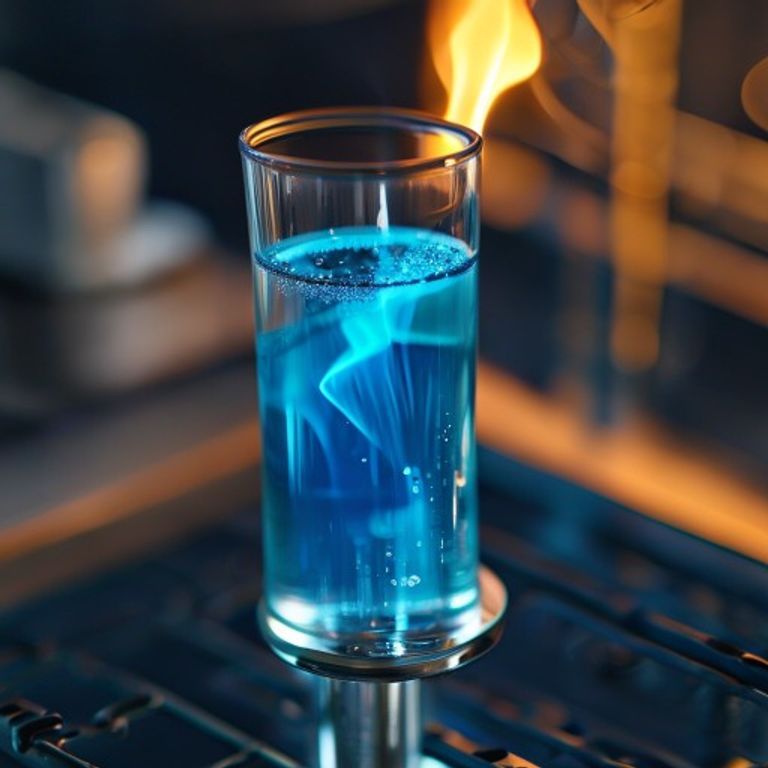
Because they are made of heat‑resistant glass, test tubes also double as mini‑boilers for quick heating tasks.
Specific Uses of Test Tubes in Chemistry
In chemistry, the test tube shines in a few key roles:
- Titration samples: Small aliquots are taken for precise titration steps.
- Precipitation tests: Adding reagents dropwise lets you see crystals form instantly.
- Heating reactions: From gentle warming on a water bath to direct flame heating, the tube handles it all.
If you’re curious about how to measure liquids accurately before mixing, check out the guide on accurate liquid measurement. Knowing the exact volume helps you avoid “guess‑and‑check” chemistry.
Common Applications of Test Tubes in Biology
Biology labs love test tubes for their simplicity:
- Culturing microorganisms: Small broth cultures grow in sealed tubes.
- Microscopy prep: A few drops of stained specimen are placed in a tube before transferring to a slide.
- Enzyme assays: Reaction rates are measured in tiny volumes, saving reagents.
When you need to organize dozens of samples, the test tube rack function becomes indispensable—think of it as the “parking garage” for your tubes.
How to Use a Test Tube for Heating Liquids
Heating is where many beginners make mistakes, but with a few safety steps you can turn a test tube into a reliable mini‑heater:
- Clamp the tube: Secure it with a tube holder so it won’t roll.
- Use a water bath first: Gradually bring the liquid up to temperature to avoid thermal shock.
- Apply flame cautiously:
- If you need direct flame, roll the tube so the flame touches the bottom, not the side—this prevents uneven heating.
- Never heat sealed tubes: Always leave a vent or use a loose cap to release pressure.
These steps are similar to the basics covered in basic chemistry concepts, where safety always comes first.
Various Types of Test Tube Experiments
Here are a few fun experiments you can try with just a test tube, a few reagents, and curiosity:
- Color change reaction: Mix phenolphthalein with a base and watch the pink bloom.
- Gas collection: React vinegar and baking soda, then capture the CO₂ in an inverted tube.
- Crystal growth: Dissolve copper sulfate, let it cool, and watch blue crystals form over days.
- Microbial fermentation: Seal a sugar solution with a yeast inoculum; bubbles indicate activity.
Each experiment highlights a different test tube use—from reaction observation to gas handling—showing how versatile this piece of glass truly is.
Conclusion
Whether you’re measuring a few milliliters of acid, culturing bacteria, or heating a solution for a quick test, the test tube remains a go‑to tool because it’s cheap, durable, and easy to handle. By mastering the basic test tube uses outlined above, you’ll boost your lab efficiency and safety, and you’ll be ready to tackle more complex experiments with confidence.
FAQ
Q: Can I use plastic test tubes for heating?
A: Not recommended. Plastic can melt or release chemicals when exposed to high temperatures. Stick to borosilicate glass for any heating step.
Q: How do I clean a test tube after an experiment?
A: Rinse with distilled water, then wash with a mild detergent. For stubborn residues, soak in a dilute acid (e.g., 10% HCl) and rinse thoroughly.
Q: What size test tube should I choose?
A: For most routine work, a 16‑mm diameter and 100‑mm length tube is ideal. Larger diameters are useful for bigger reactions or crystal growth.
Q: Is it safe to store chemicals long‑term in test tubes?
A: Yes, as long as the chemicals are compatible with glass and you seal the tube properly. Label each tube clearly to avoid mix‑ups.
Q: Can I use a test tube as a makeshift pipette?
A: For very small transfers you can, but it’s not precise. Use a proper pipette for accurate volume measurement.